
Laboratory Equipment
Some of the most important laboratory equipment in the Concrete and Building Materials Laboratory of the Civil Engineering Department are as follows:
Sample Preparation Tools
Including:
- Hobart mixer (Image No. 1)
- General-purpose mixer (Image No. 2)
- Sulfur melting device for capping cylindrical specimens (Image No. 3)
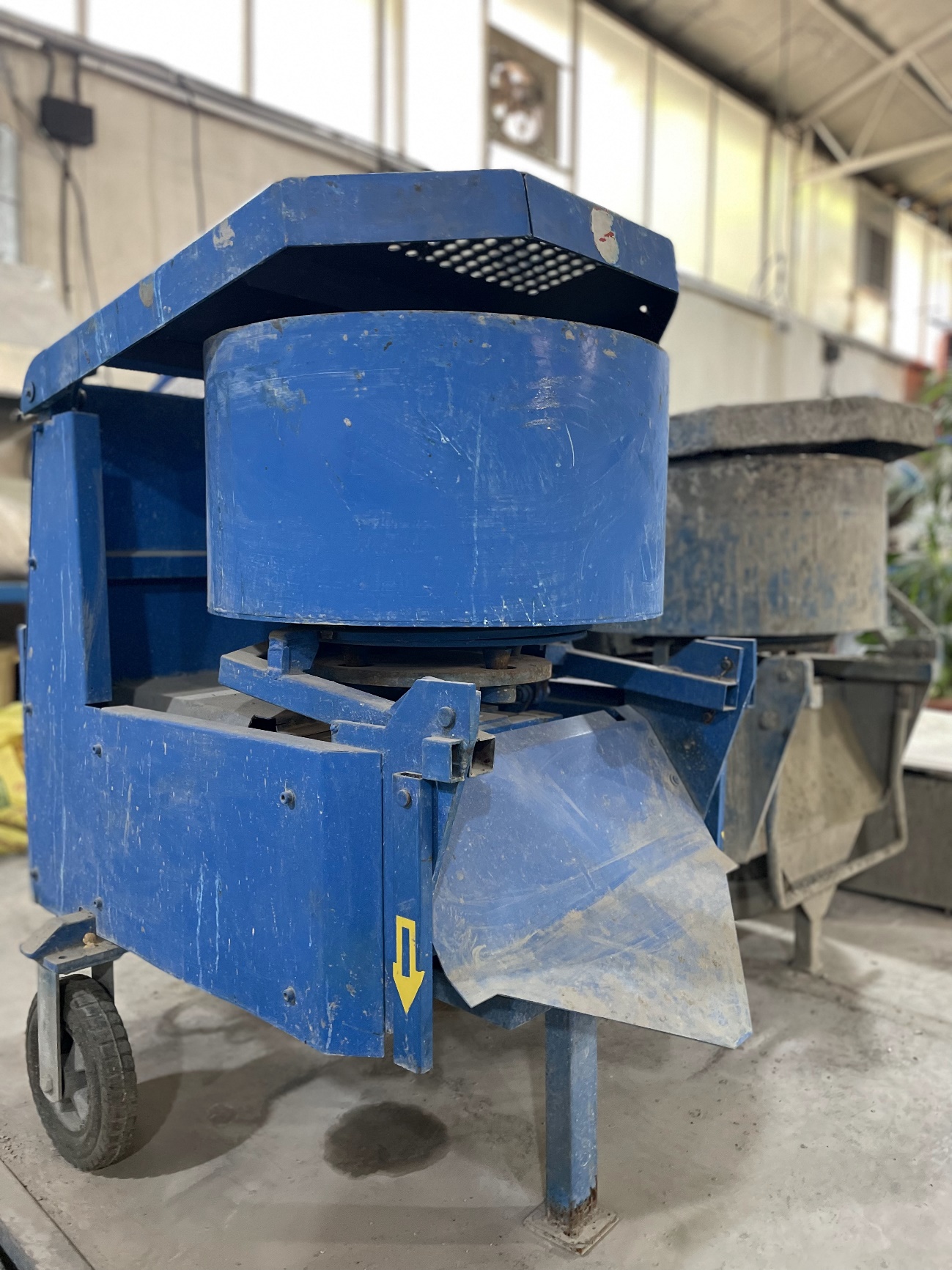
- Pan-type concrete mixer with fixed blade & rotating materials (Image No. 4)
- Workshop concrete mixer (Image No. 5)
- 5×5×5 cm and 4×4×16 cm molds (Image No. 6)
- 10×10×10 cm mold (Image No. 7)
- 10×20 cm cylindrical mold (Image No. 8)
- 15×30 cm cylindrical mold (Image No. 9)
- Standard concrete slump cone (Image No. 10)
- Special slump cone (Image No. 11)
- Electric concrete vibrator (Image No. 12)
- Capping mold device (Image No. 13)
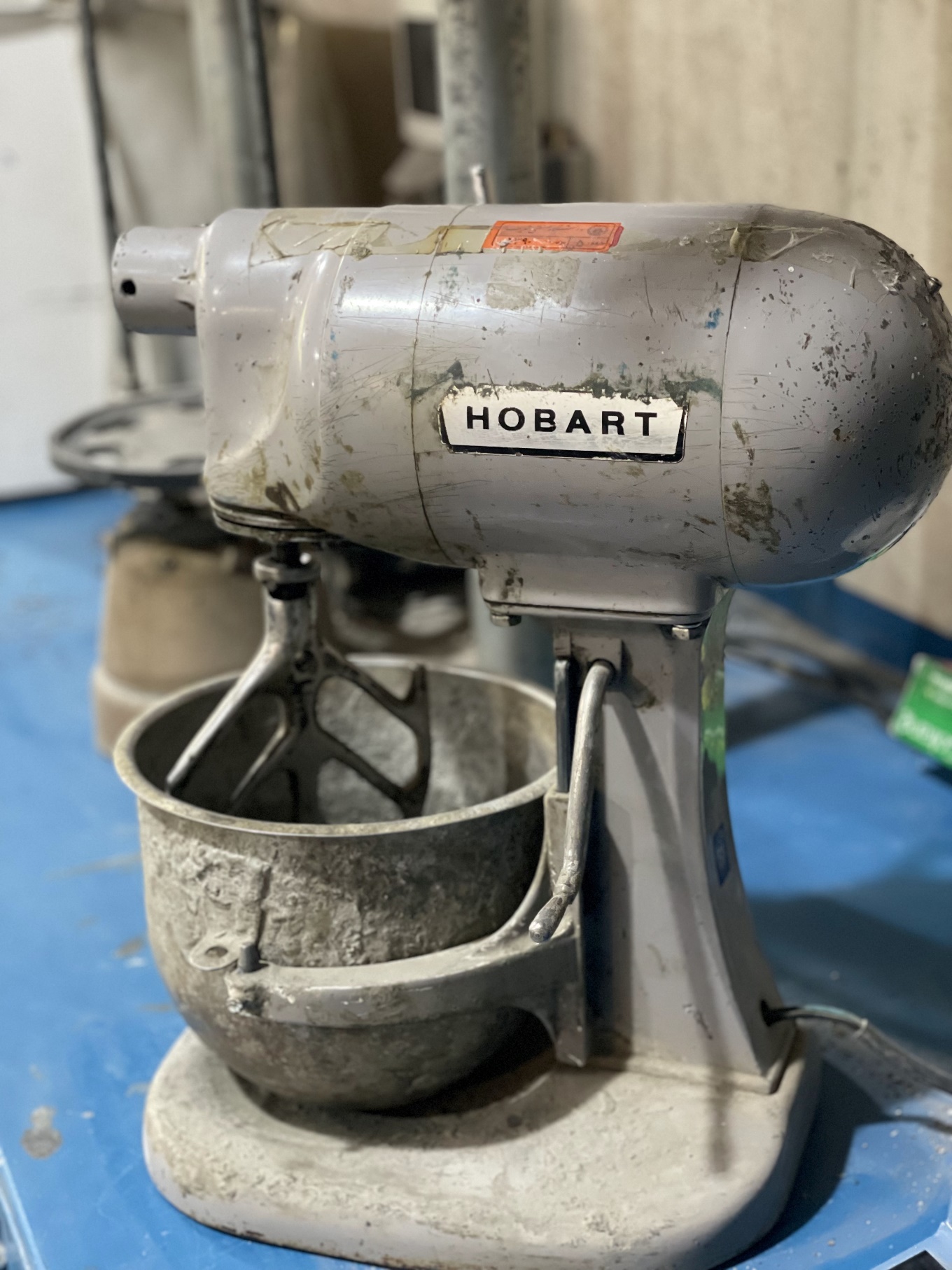
(Image No.1)
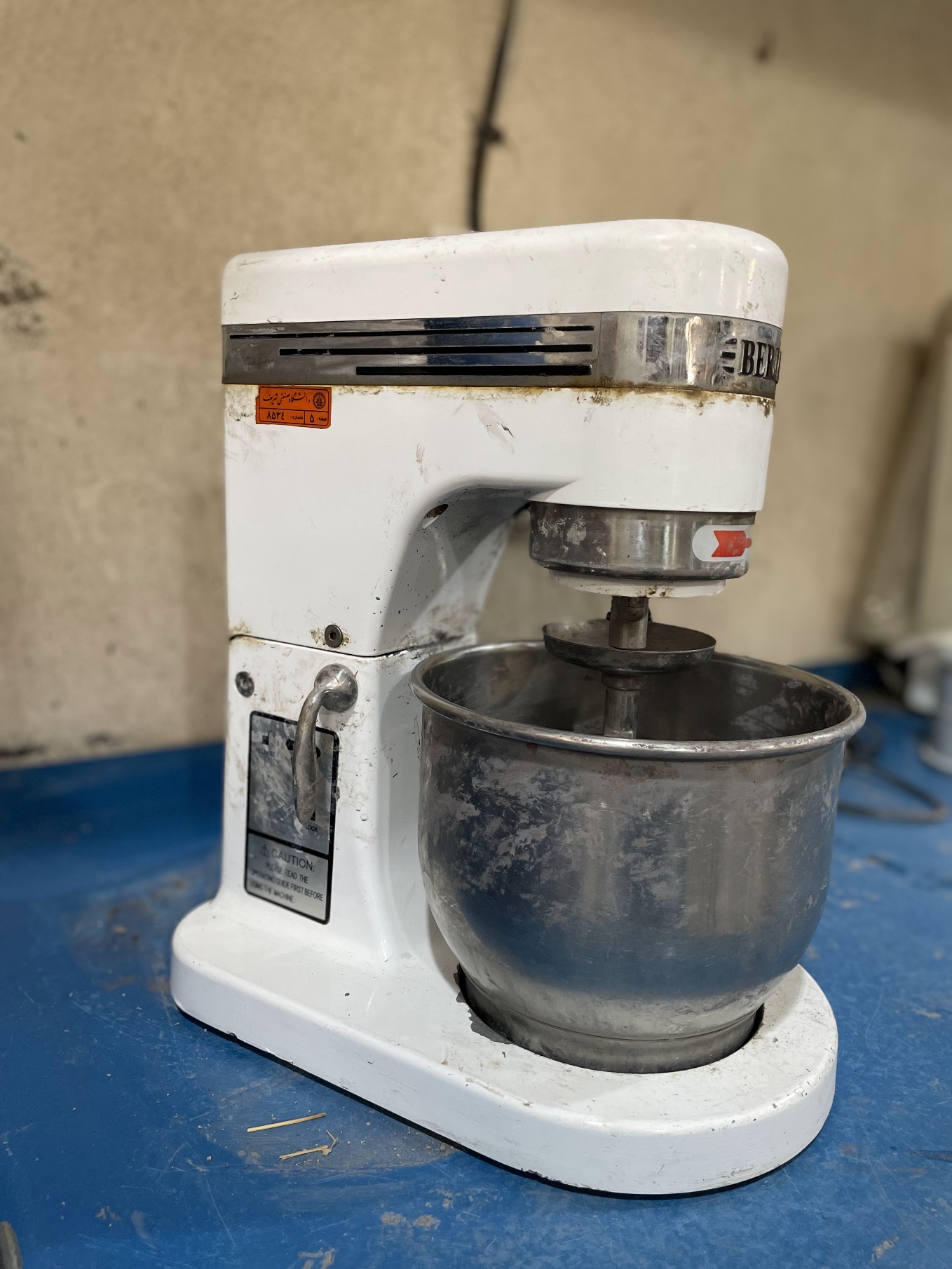
(Image No.2)
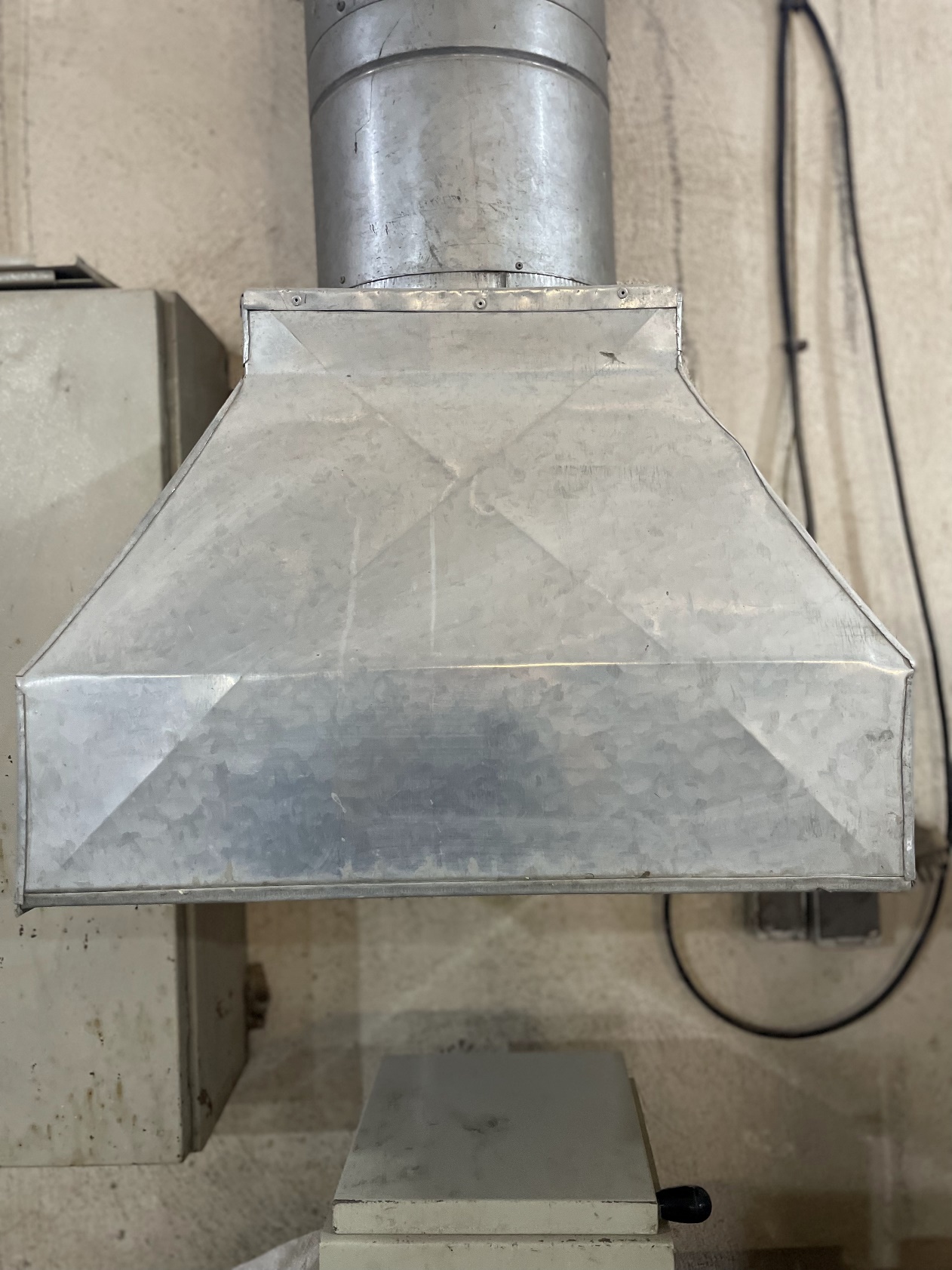
(Image No.3)
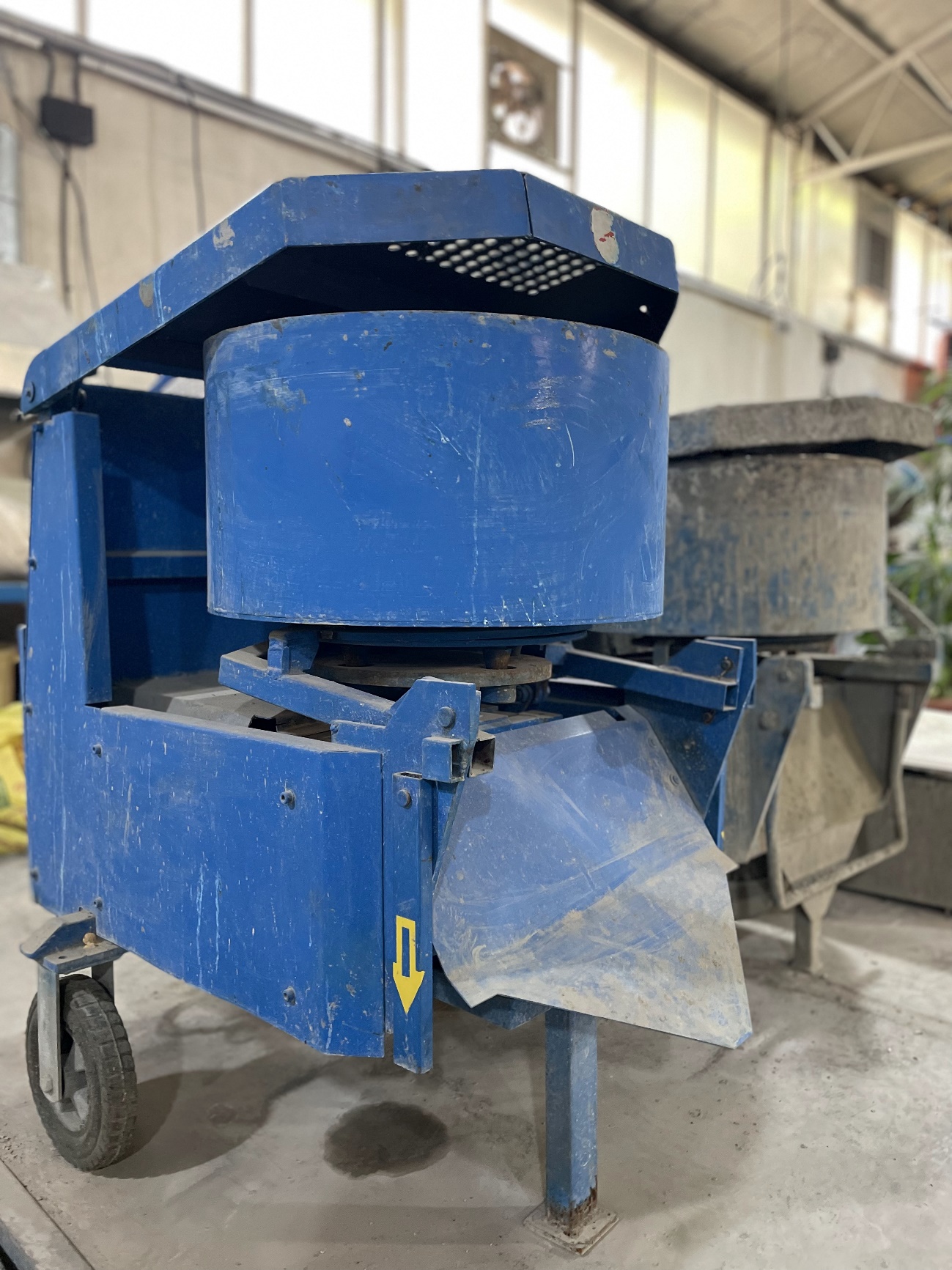
(Image No.4)
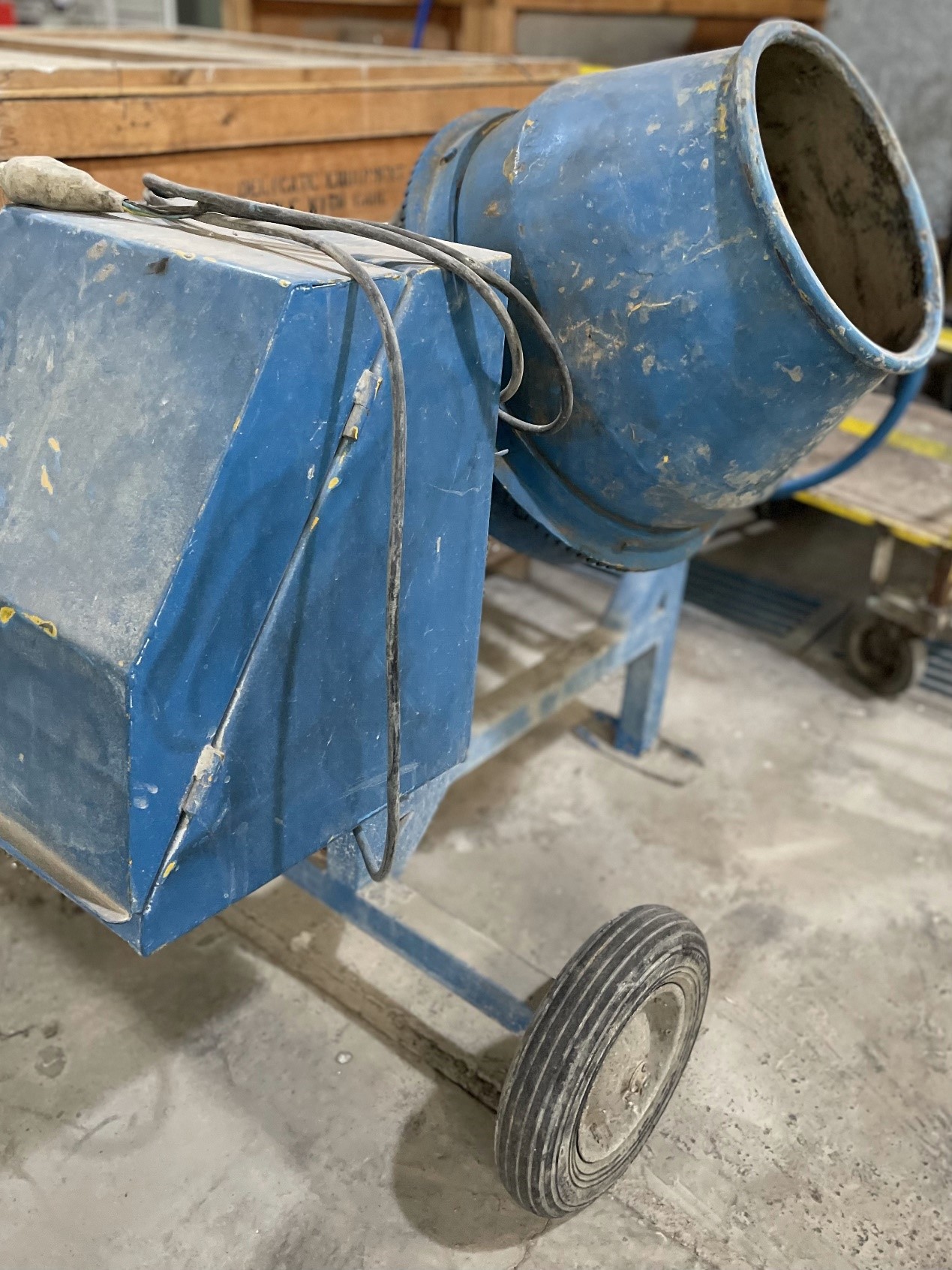
(Image No.5)
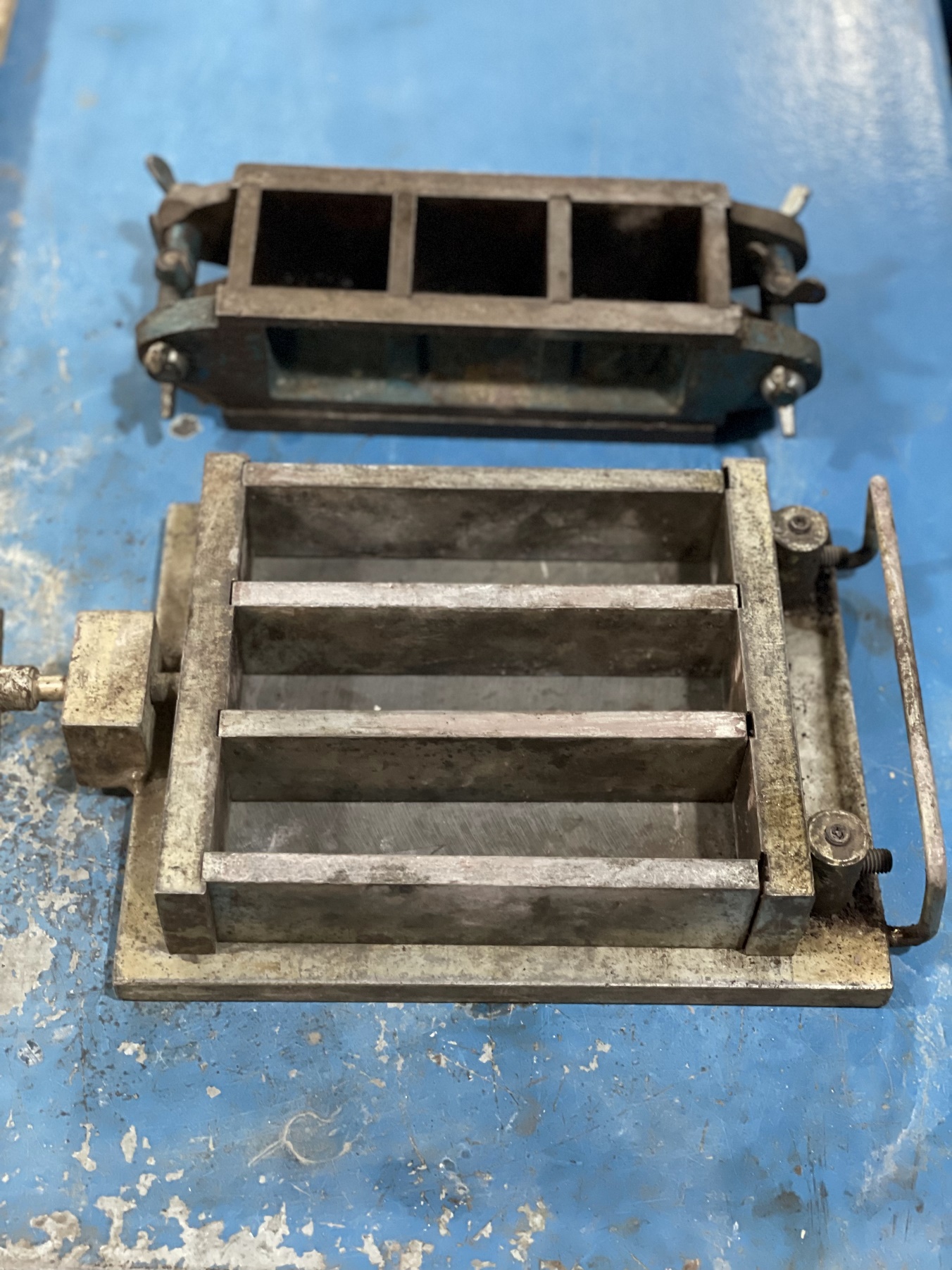
(Image No.6)
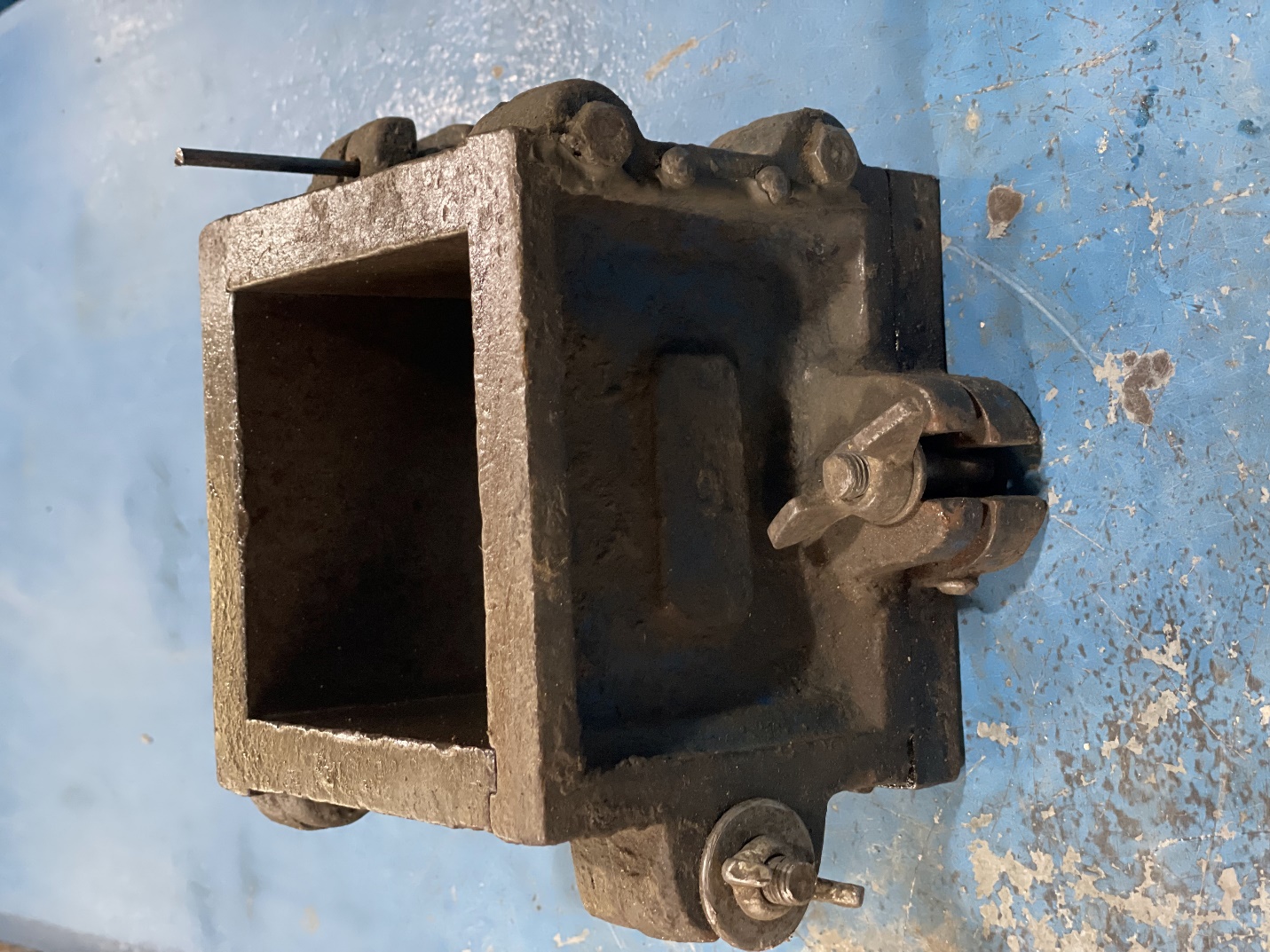
(Image No.7)
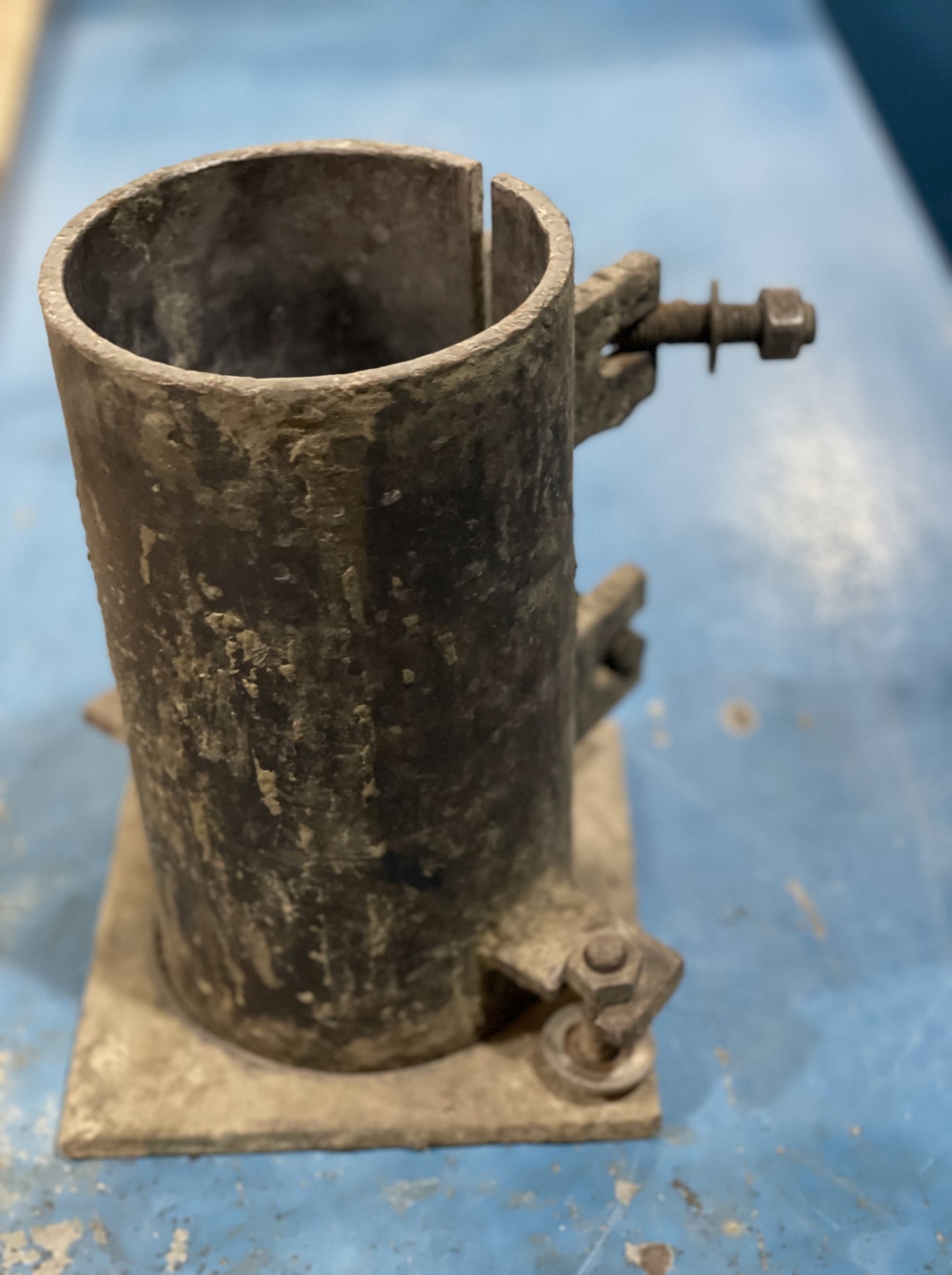
(Image No.8)
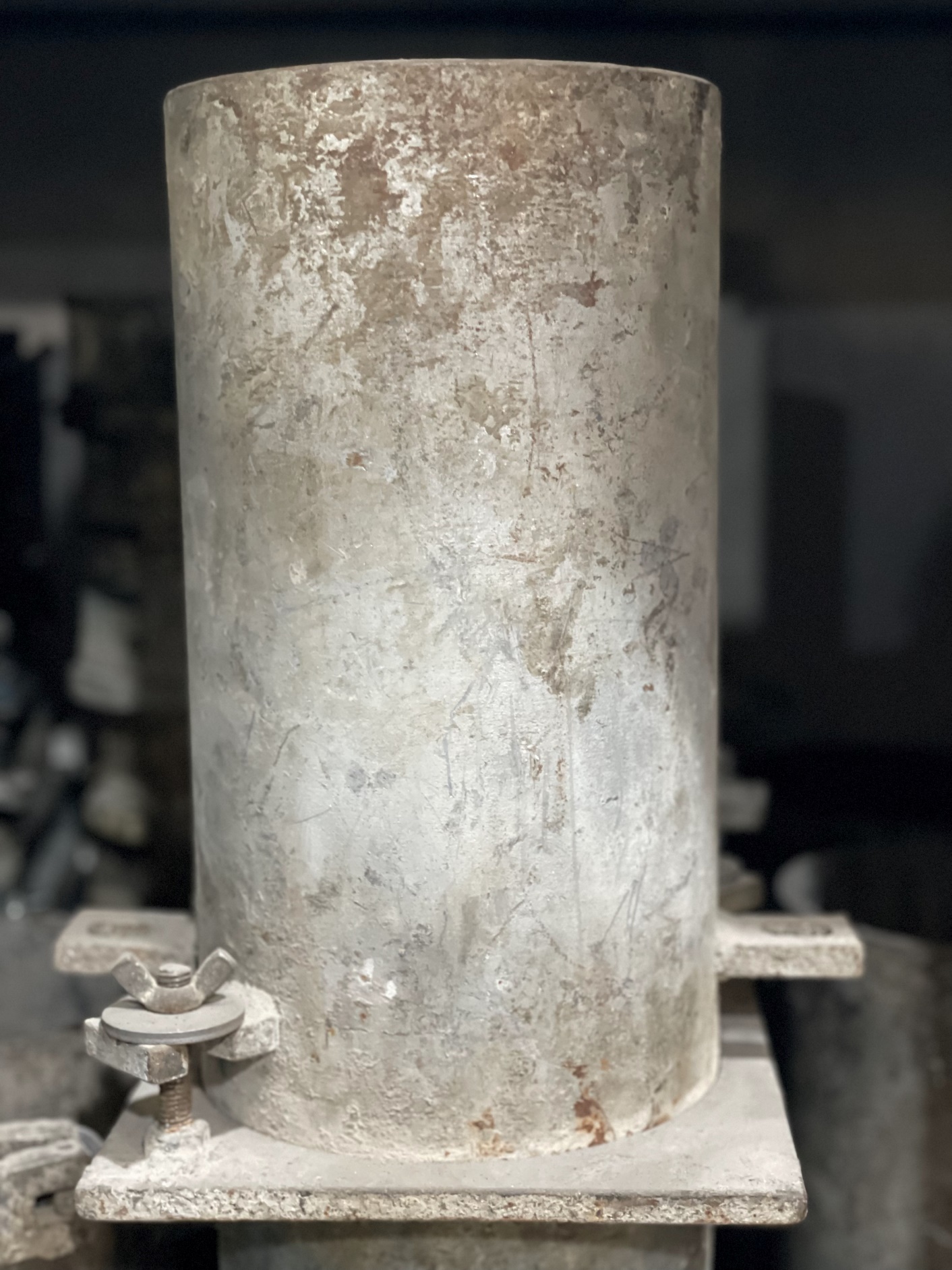
(Image No.9)
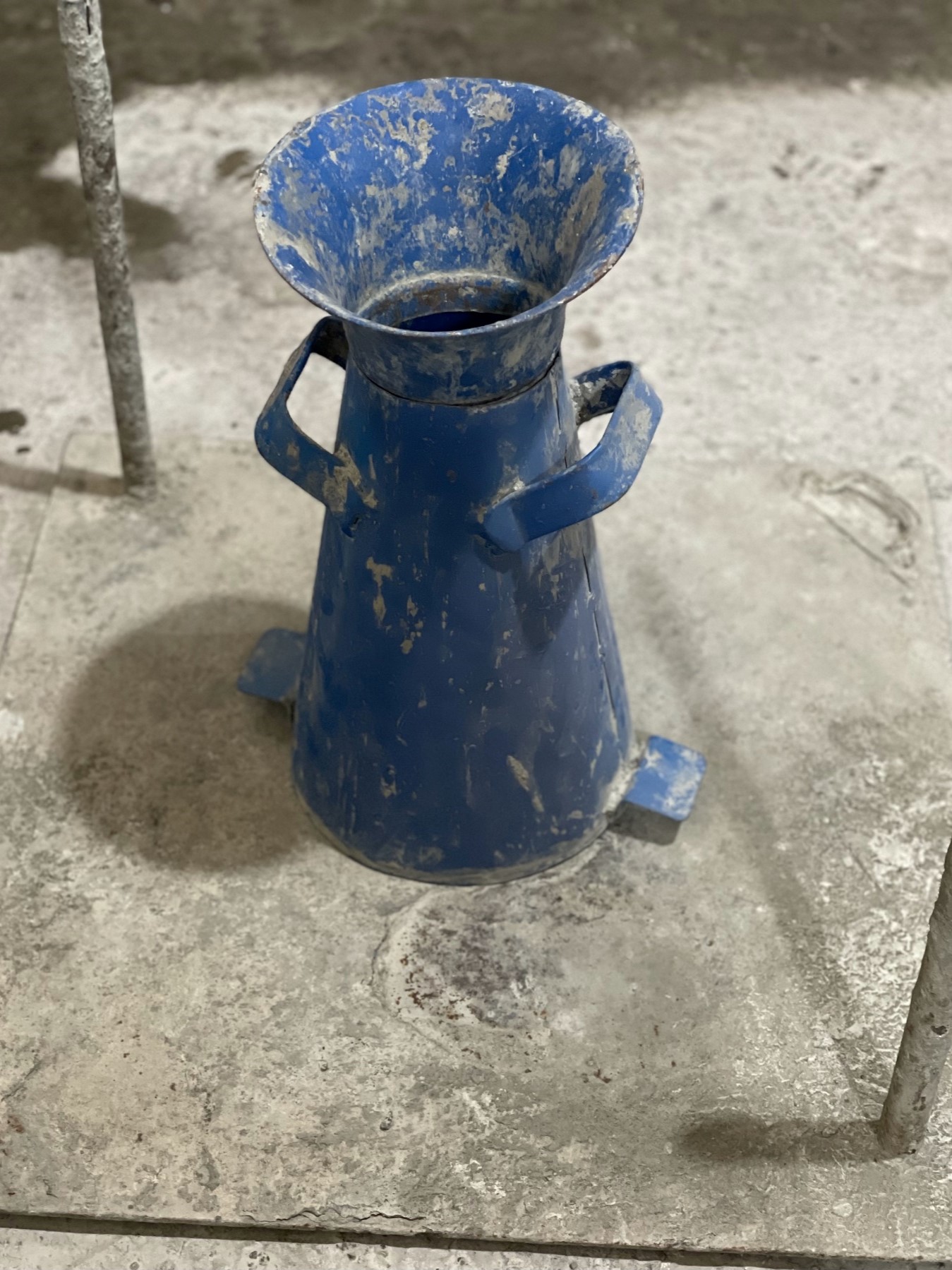
(Image No.10)
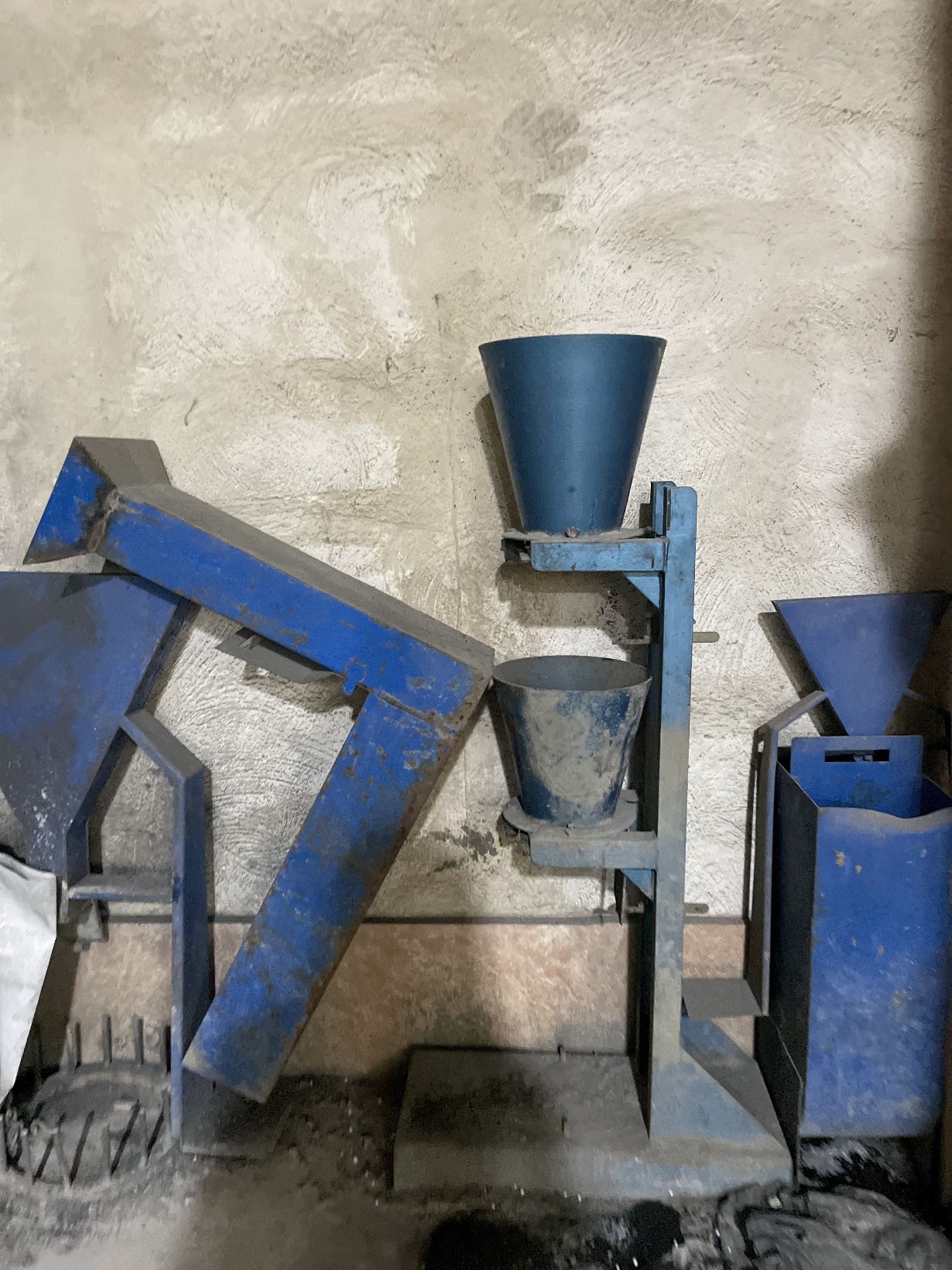
(Image No.11)
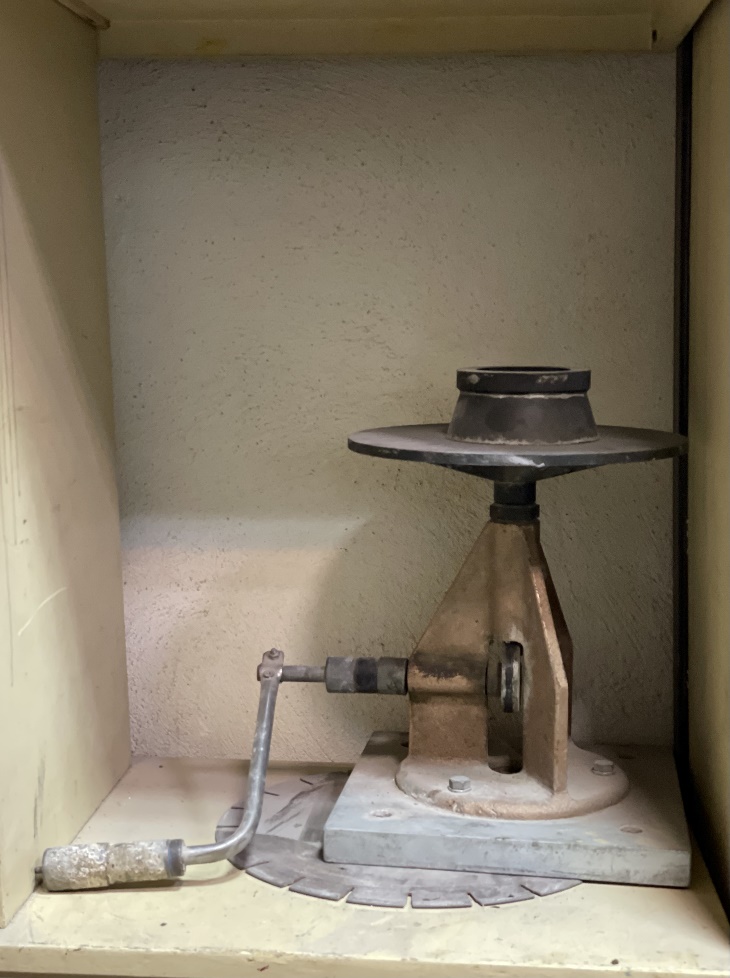
(Image No.13)
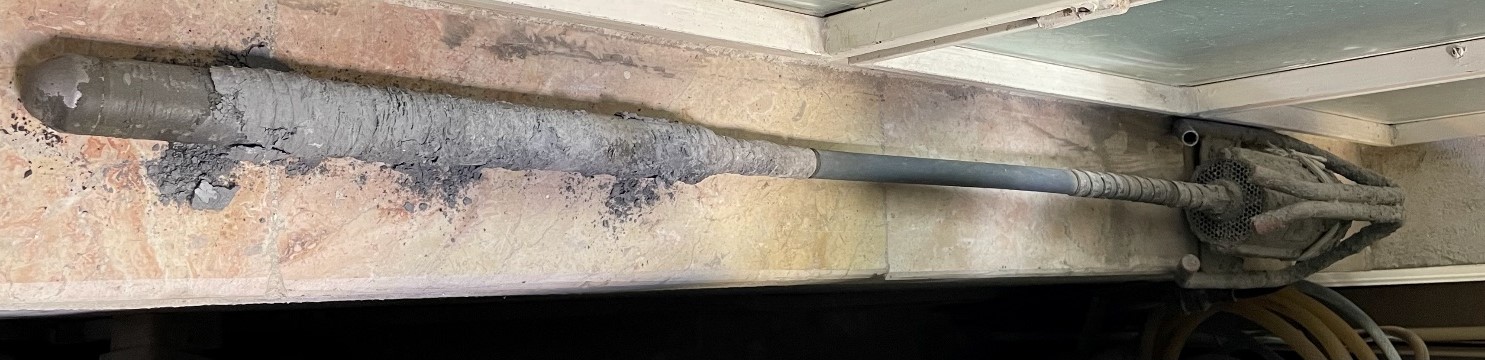
(Image No.12)
Mechanical Testing Equipment
Including:
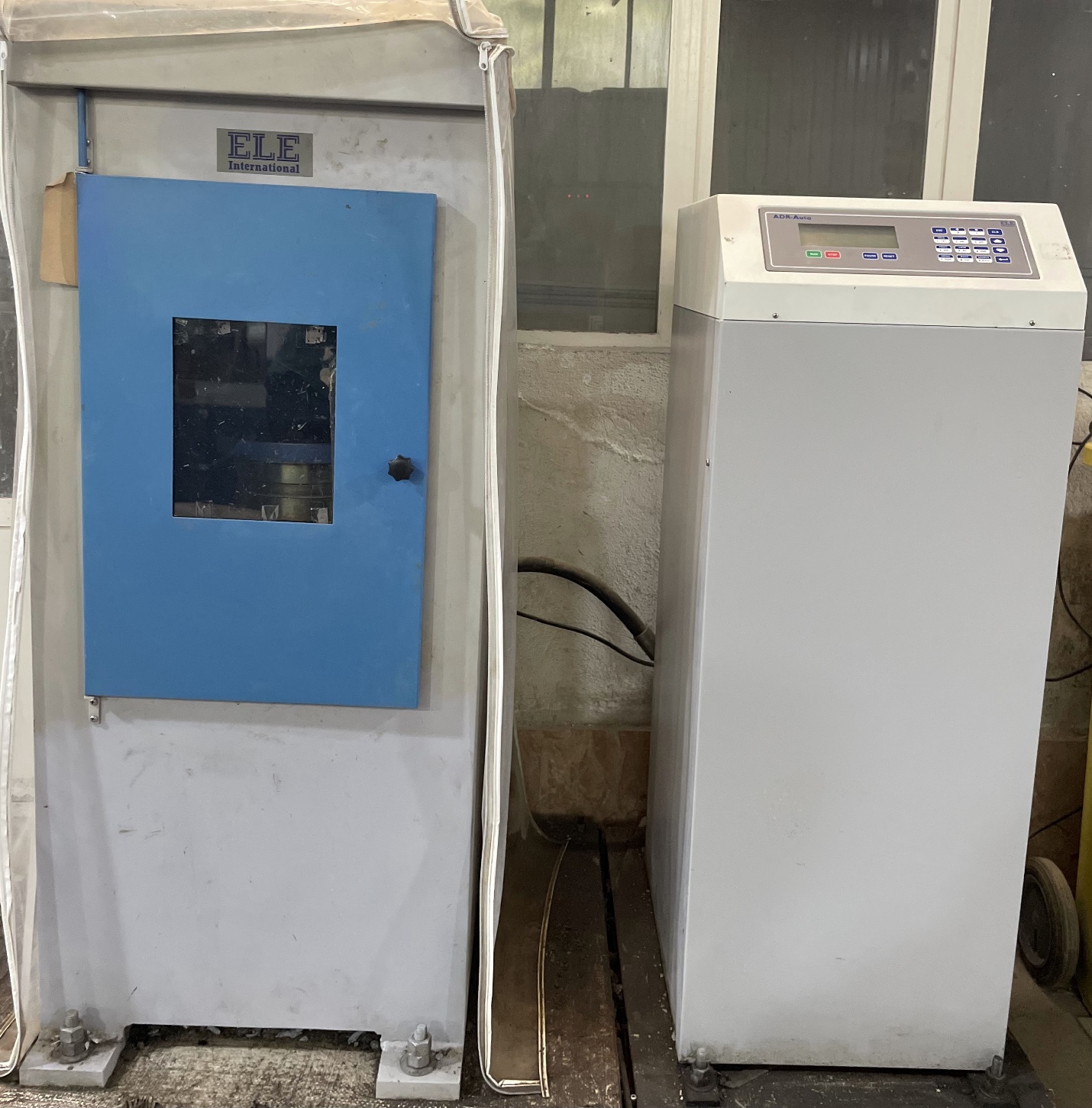
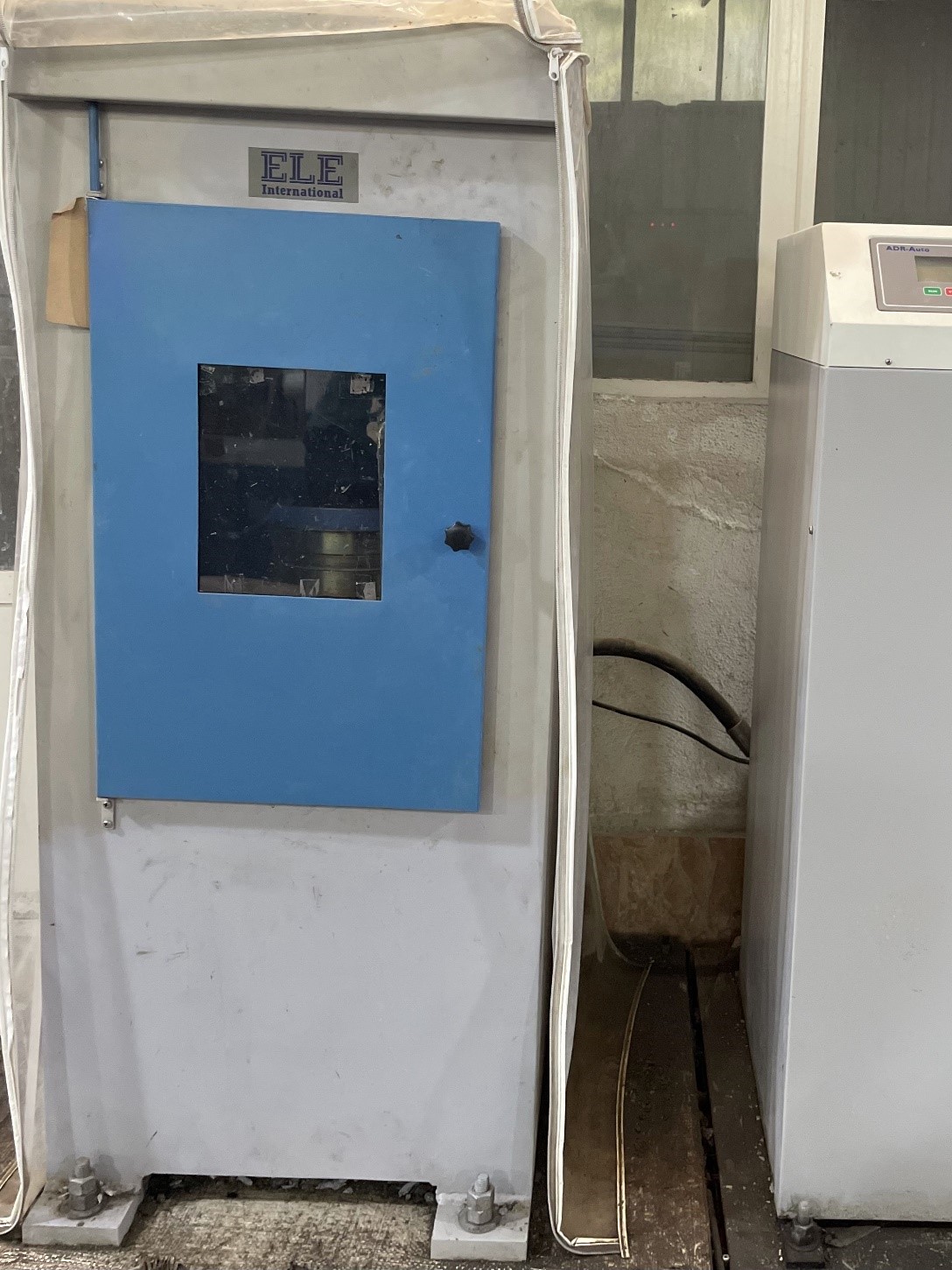
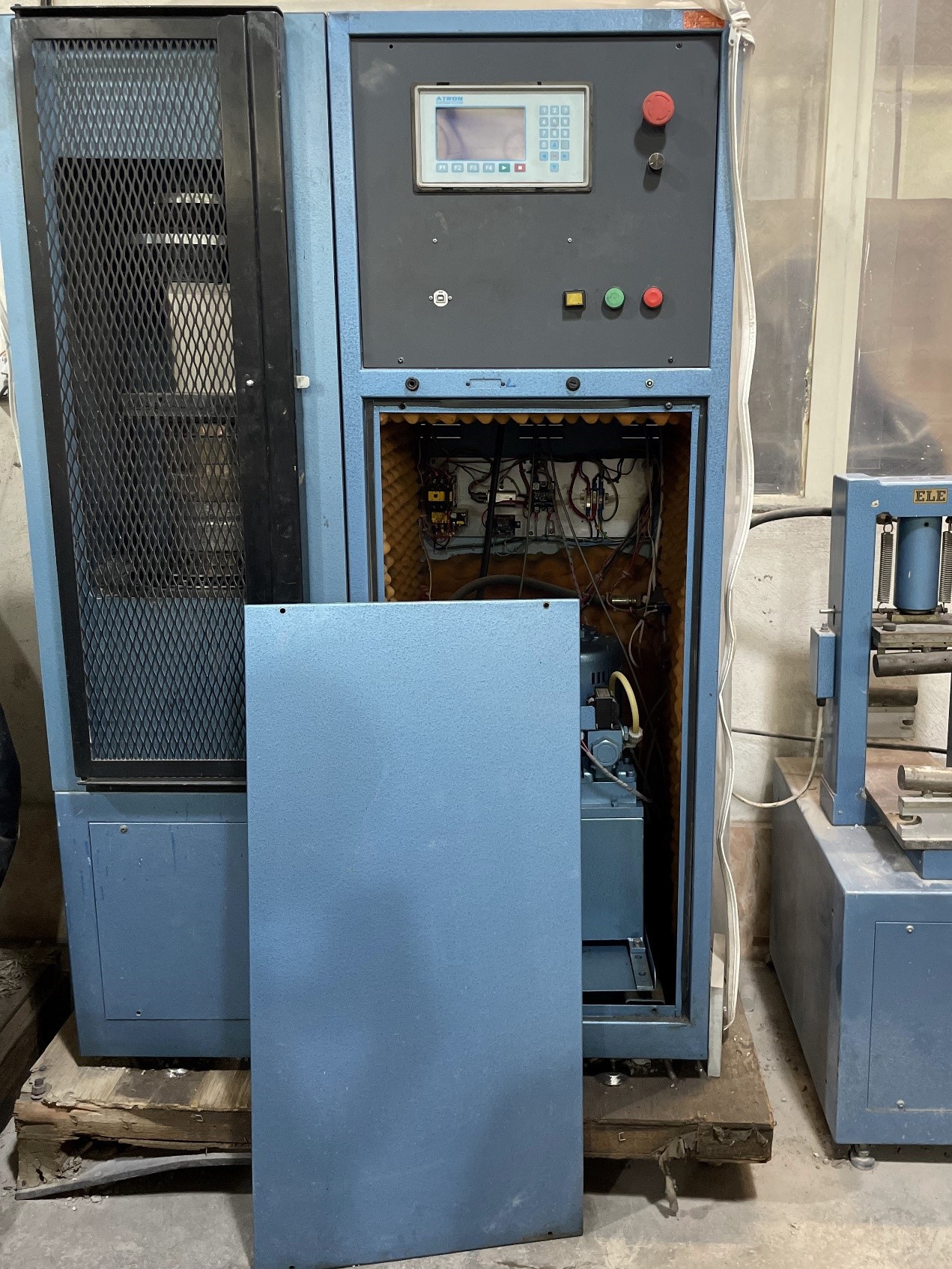
- Fully automatic ELE concrete compression machine with a capacity of 300 tons (3000 kN) (Image No. 1)
- Automatic ELE concrete compression machine with a capacity of 200 tons (2000 kN) with flexural testing capability (Image No. 2)
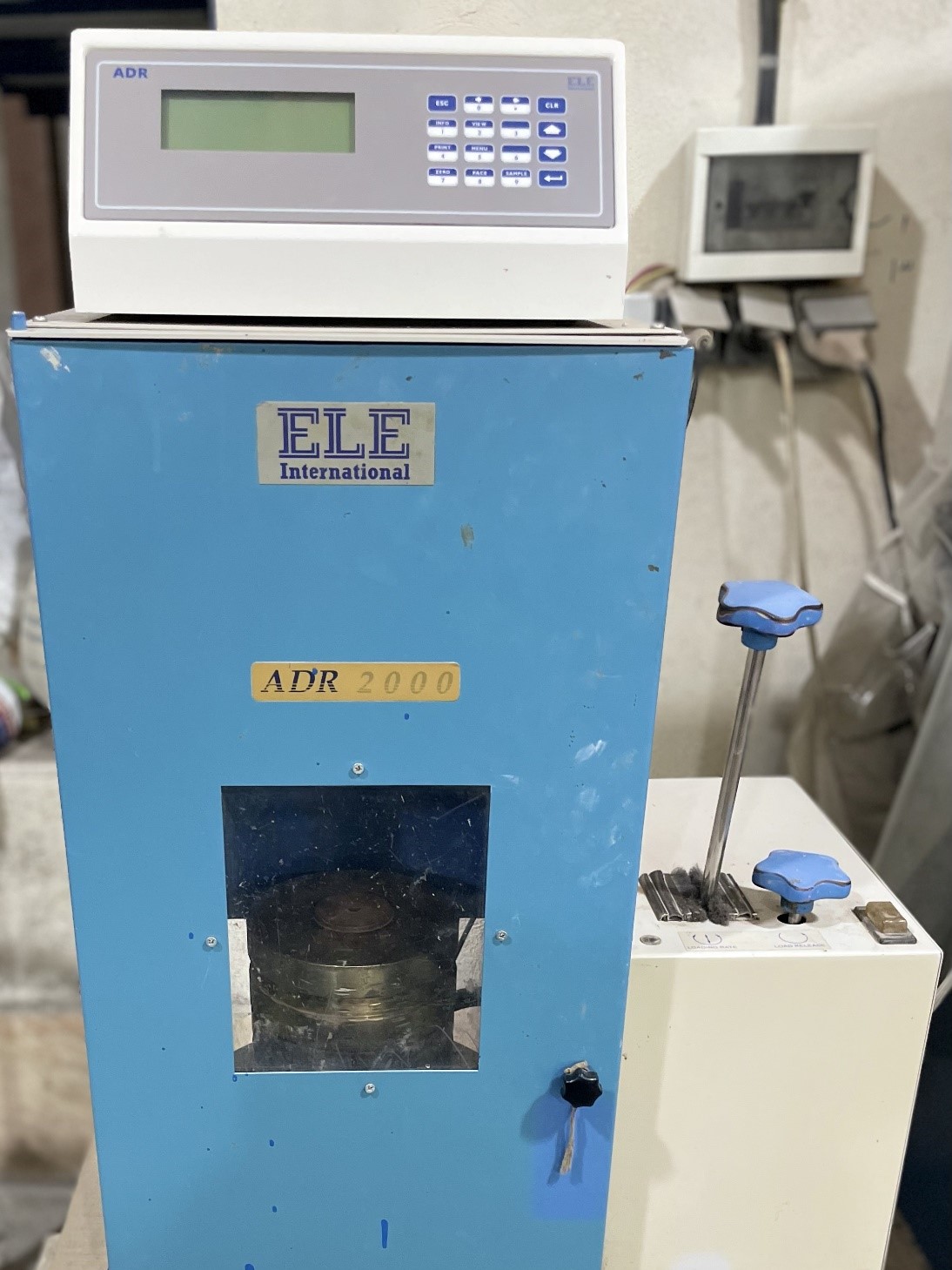
- Semi-automatic ELE concrete compression machine with a capacity of 200 kN (Image No. 3)
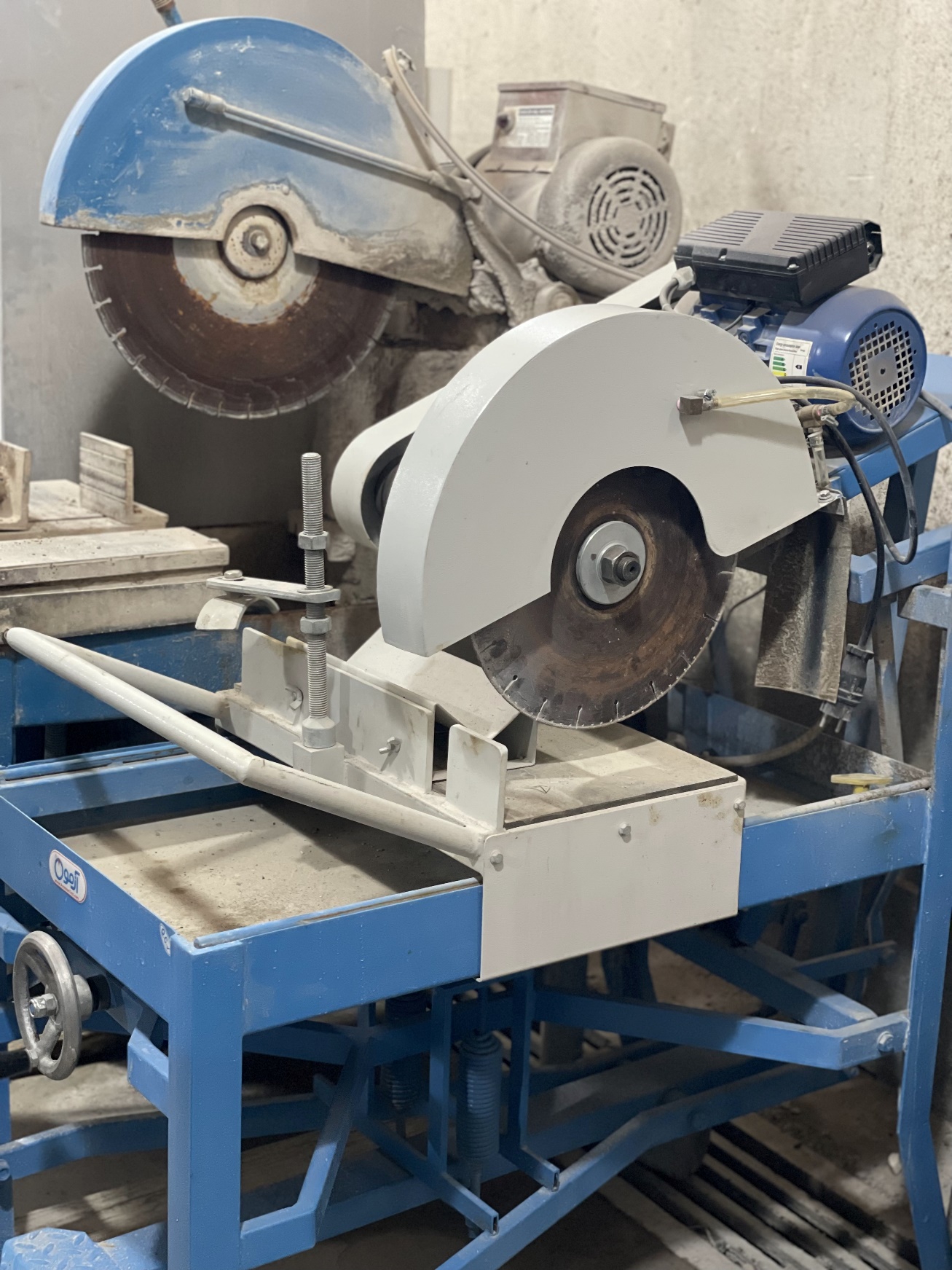
- Cutting machine for cutting concrete sections (Image No. 4)
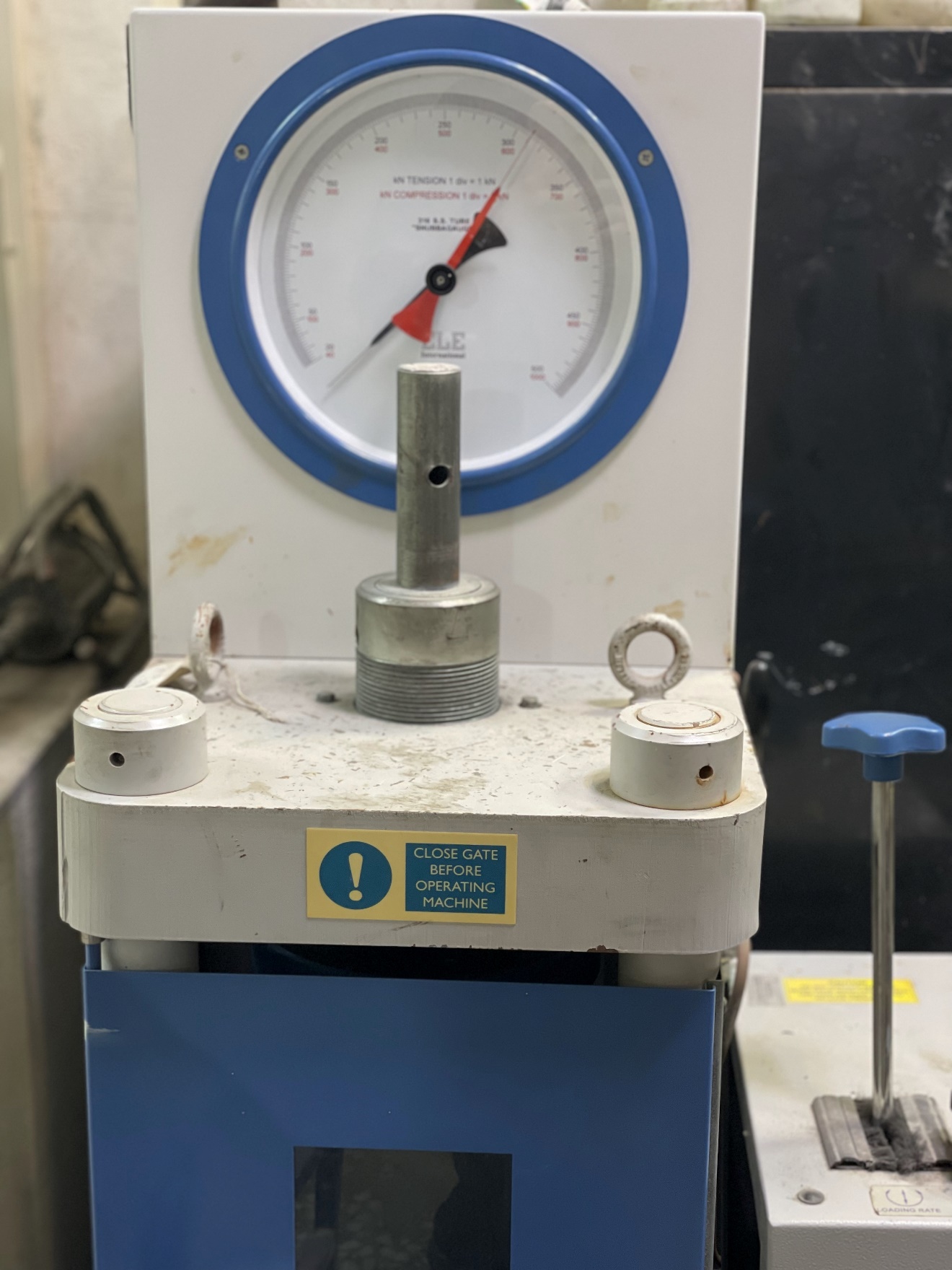
- Semi-automatic ELE testing machine (gage type) for reinforcing bar tension and concrete compression (Image No. 5)
- Meter compressor for measuring radial displacement (Image No. 6)
(Image No.1)
(Image No.2)
(Image No.3)
(Image No.4)
(Image No.5)
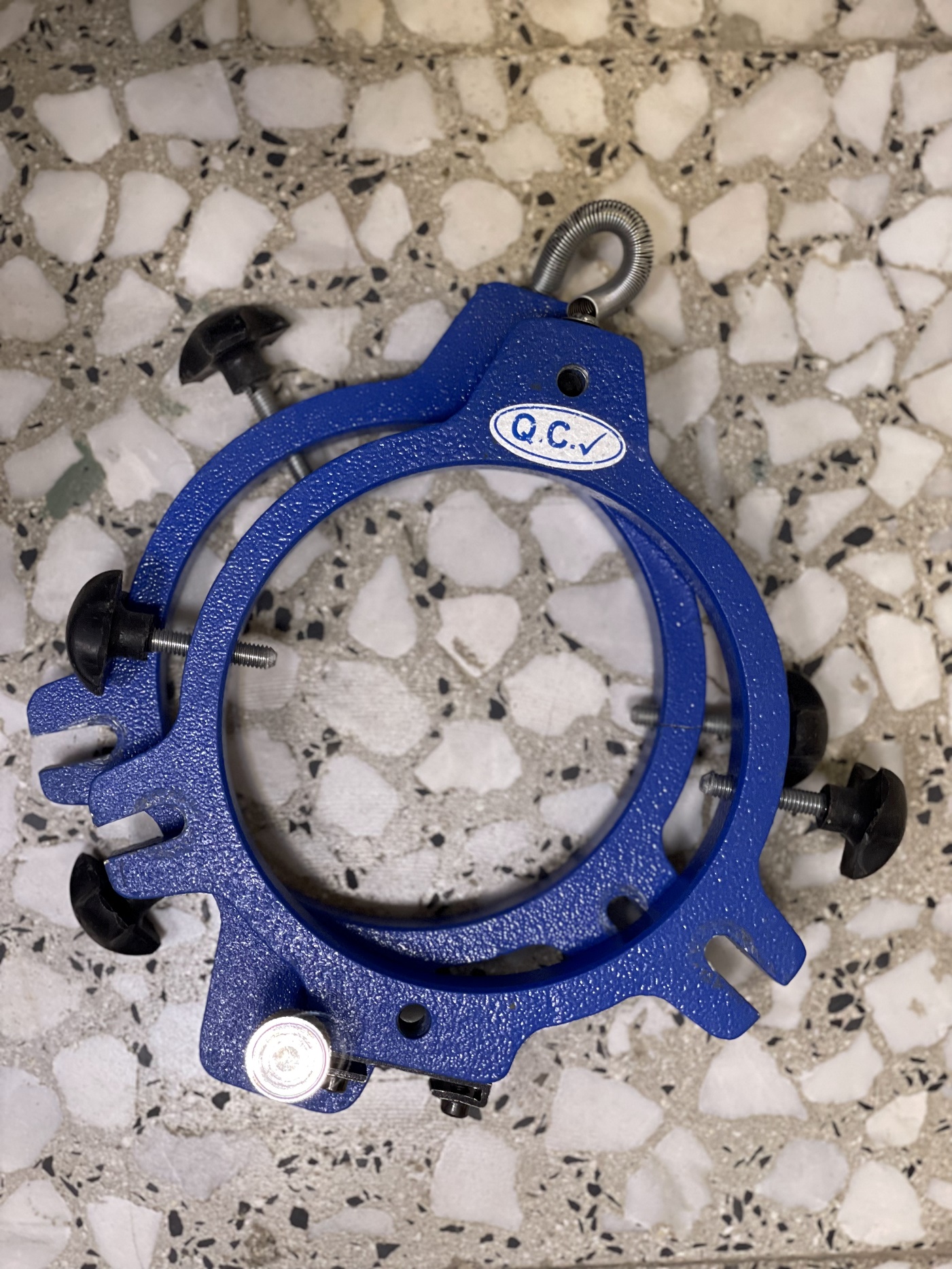
(Image No.6)
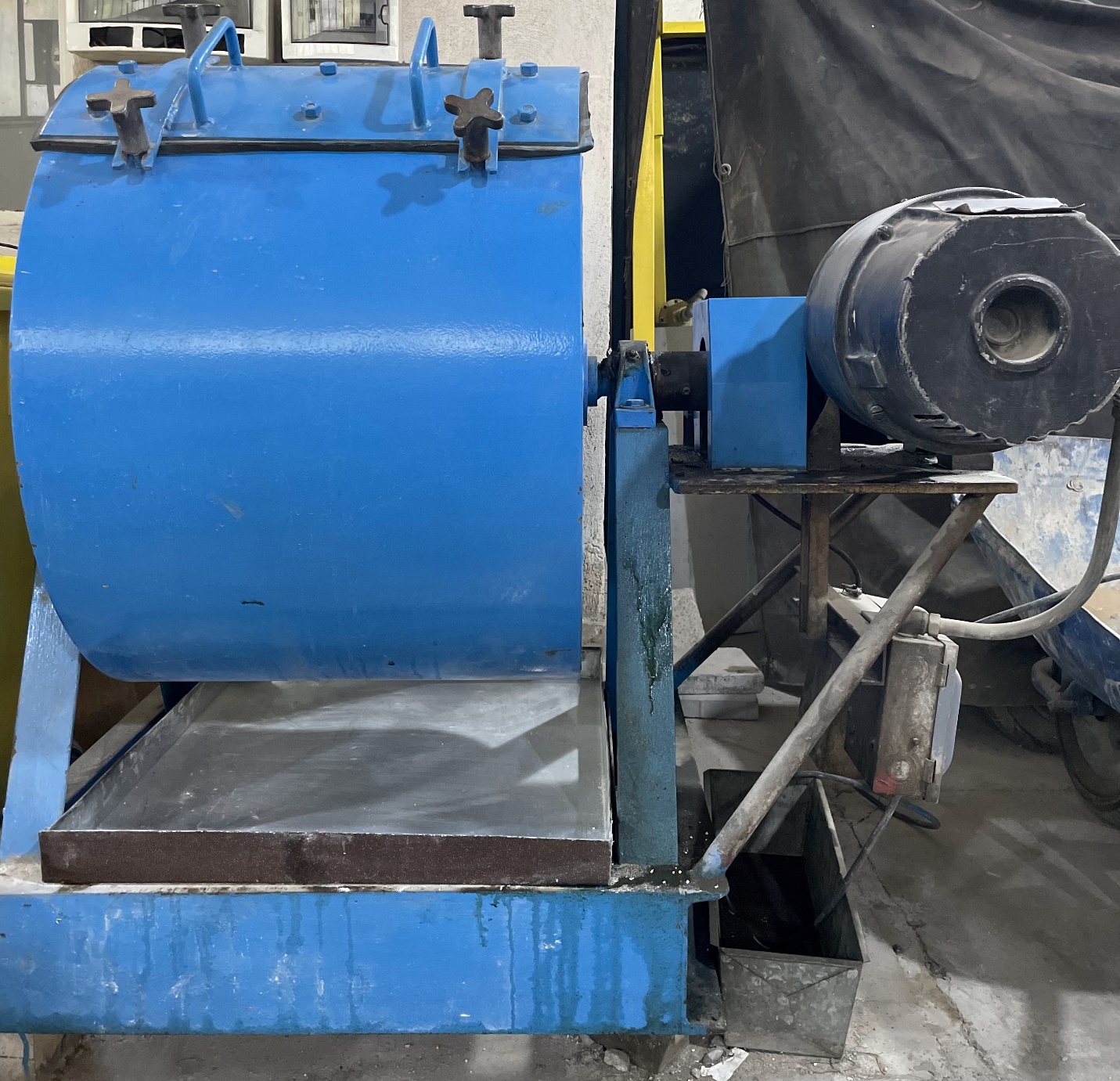
Material Properties Testing Equipment
Including:
- Autoclave for concrete curing, maximum specimen size 10×10 cm (Image No. 1)
- Sieve shaker, used for grading tests (Image No. 2)
- Los Angeles machine for aggregate crushing (Image No. 3)
- Mortar tensile and flexural testing machine (Image No. 4)
- Mechanical shaker (Image No. 5)
- Shaker for compacting specimens, with adjustable vibration (Image No. 6)
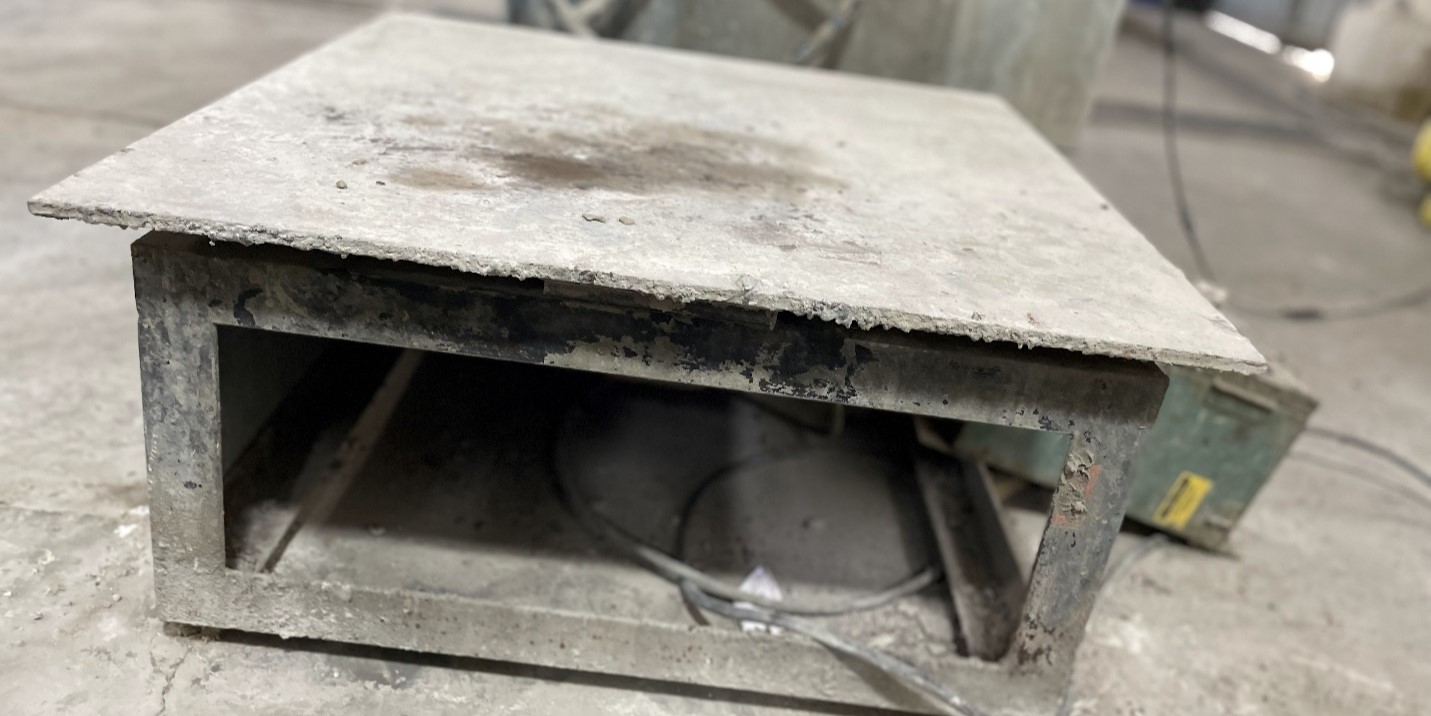
- Concrete air content testing device (Image No. 7)
- Concrete normal water content testing device (Image No. 8)
- Ball mill crusher (Image No. 9)
- Sand splitter (Image No. 10)
- Vicat apparatus for gypsum (1 mm needle) and concrete (1 cm needle) (Image No. 11)
- Sand saturation detection device (Image No. 12)
- Sieves (Image No. 13)
- Water permeability testing device for specimens (Image No. 14)
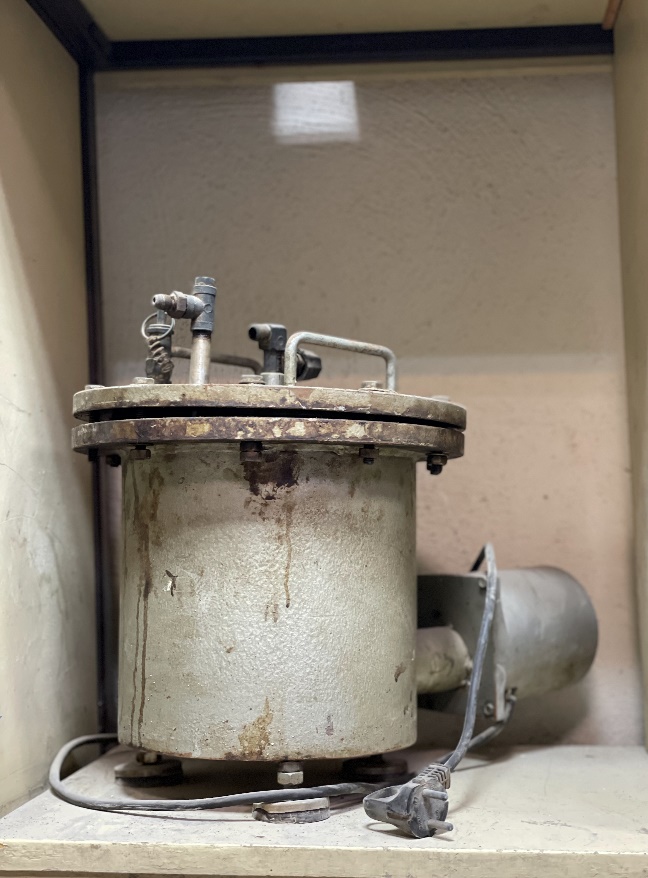
(Image No.1)
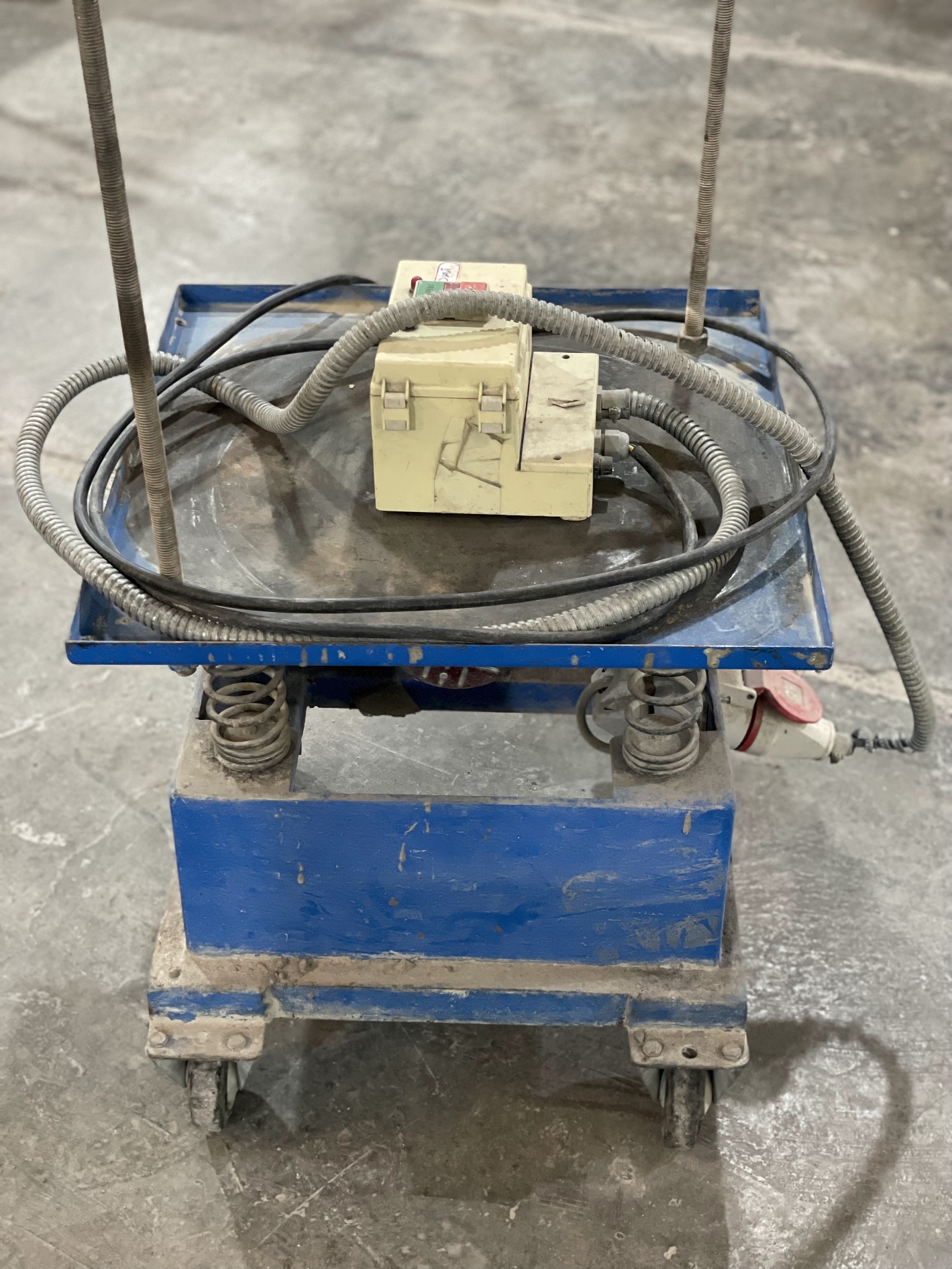
(Image No.2)
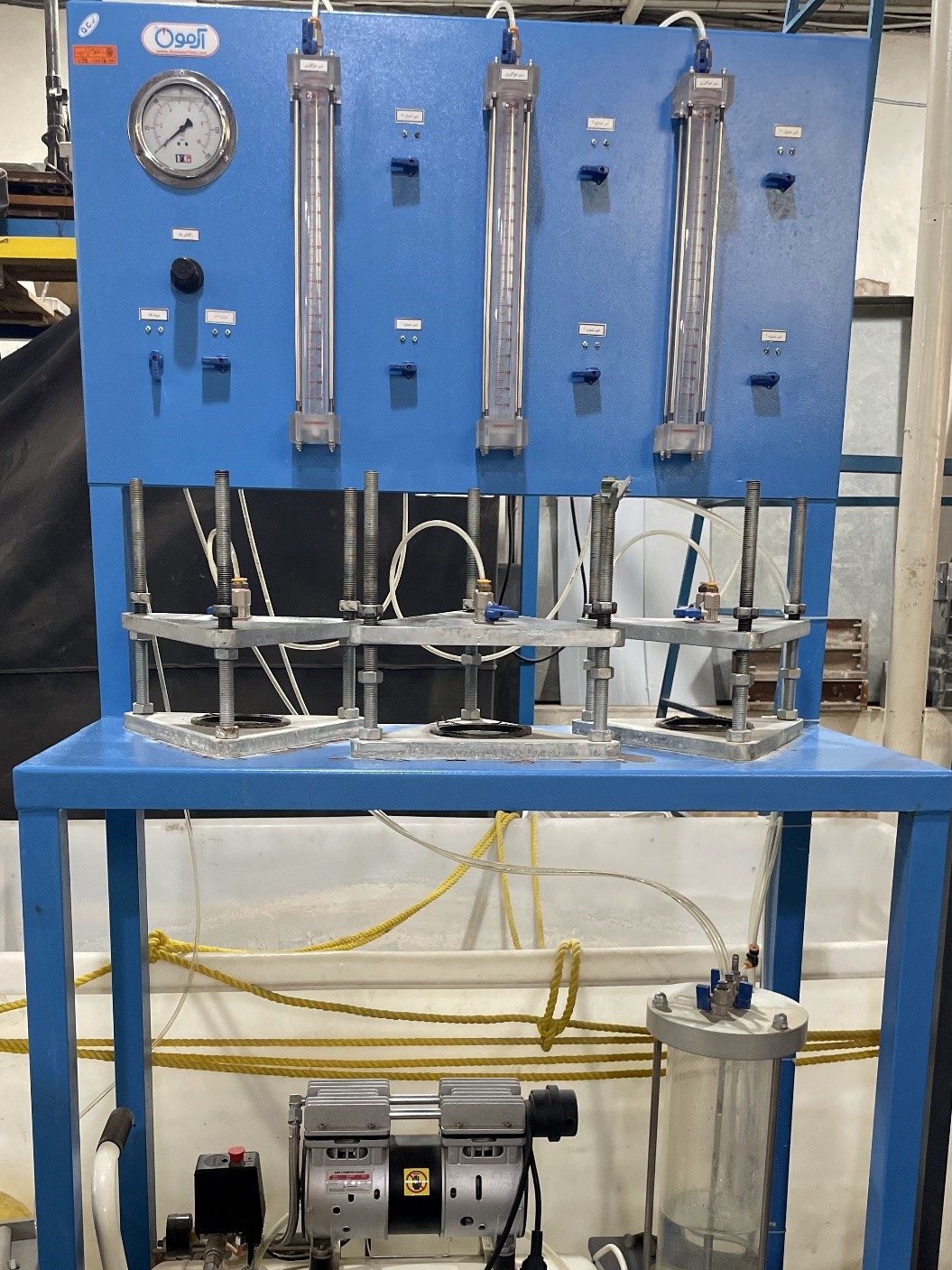
(Image No.14)
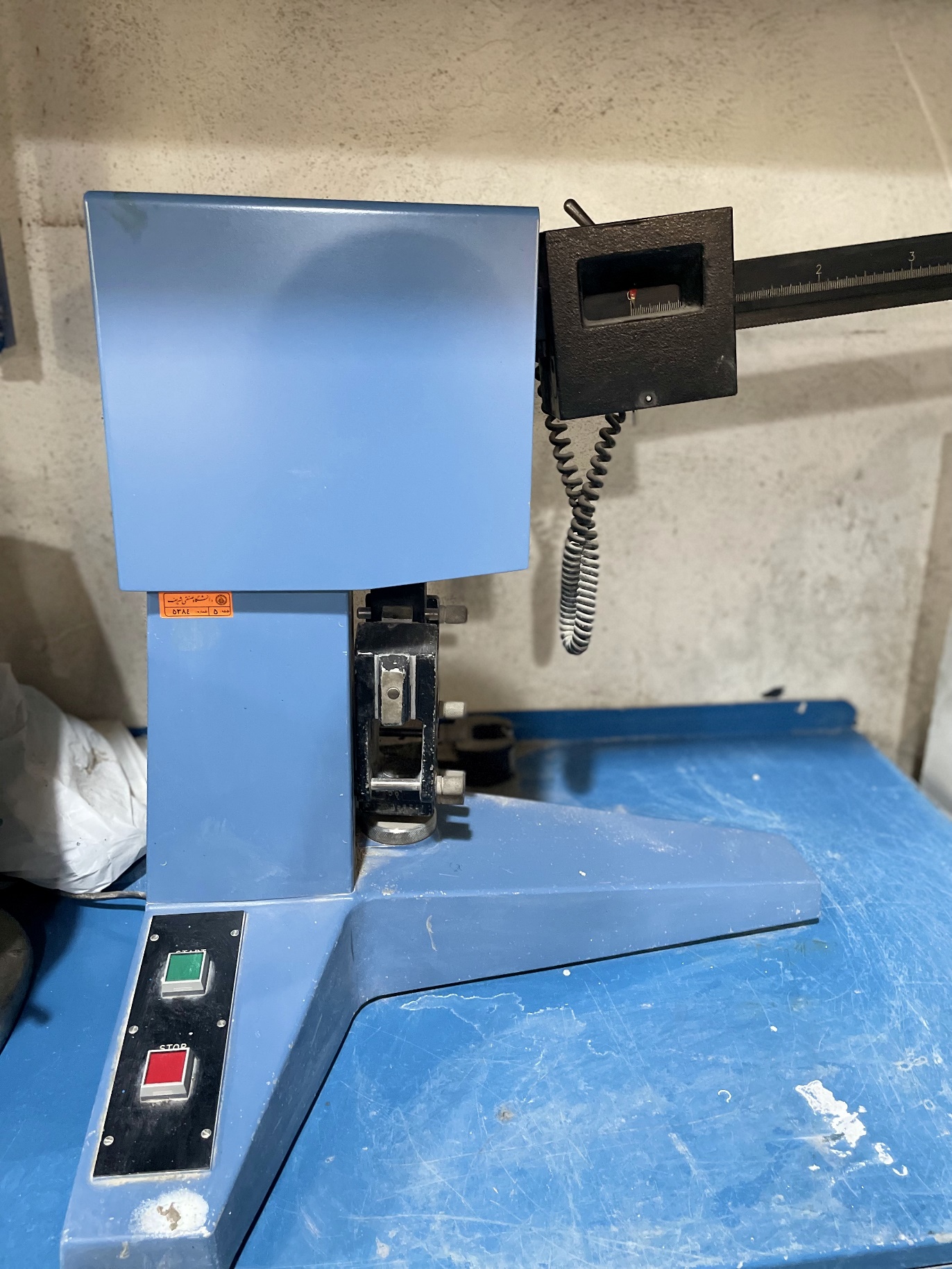
(Image No.4)
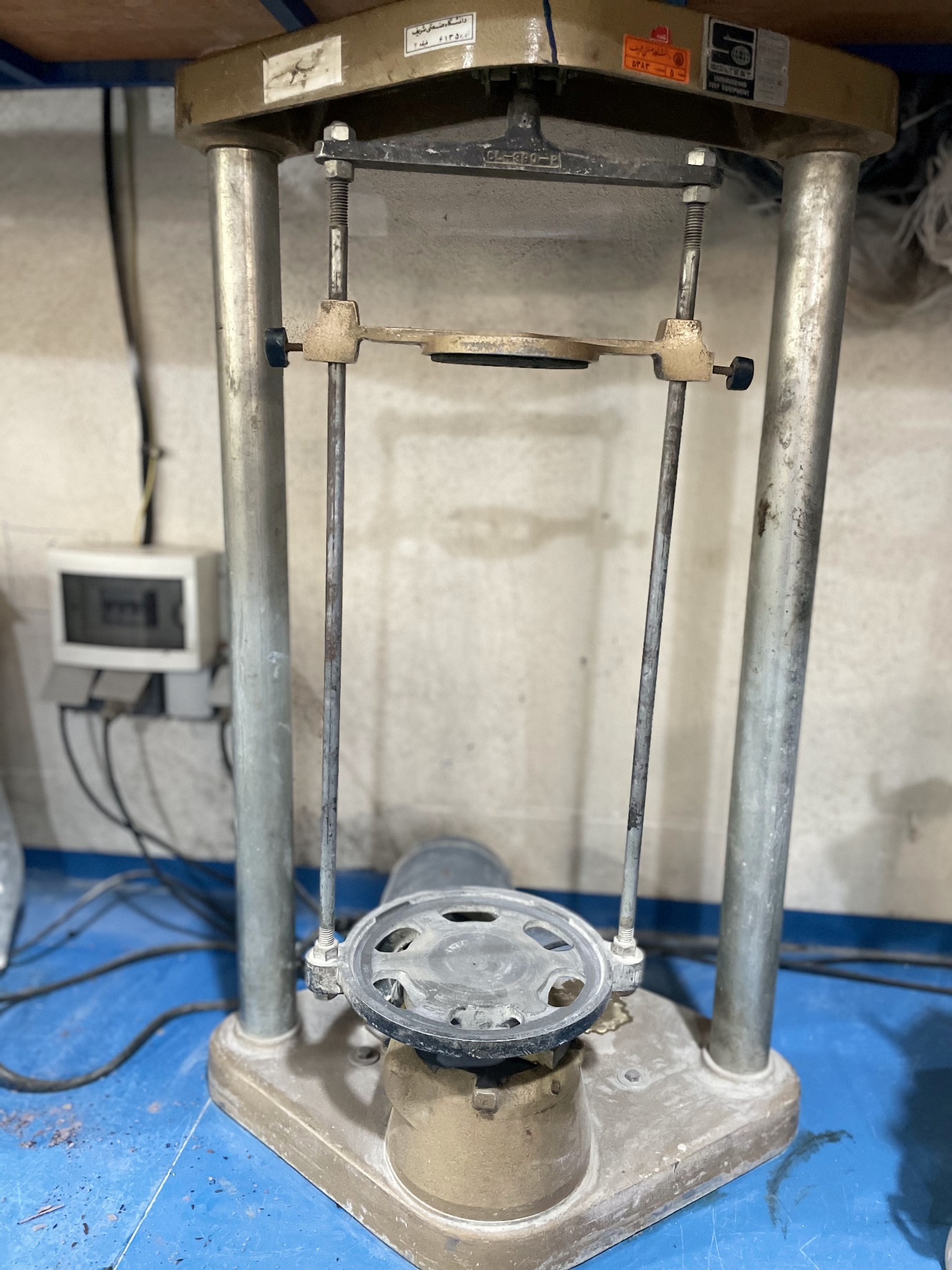
(Image No.5)
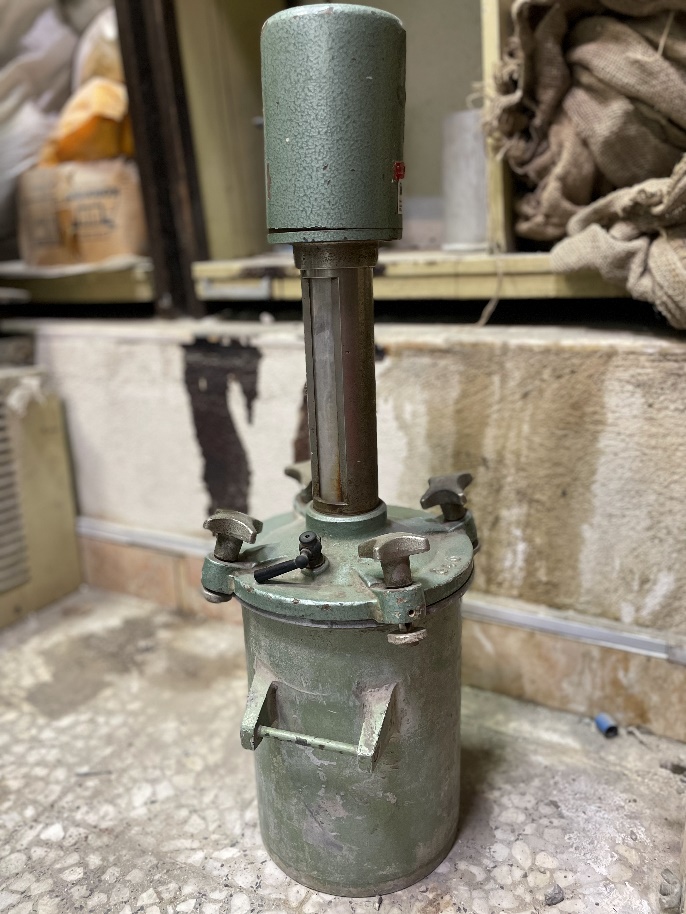
(Image No.7)
(Image No.6)
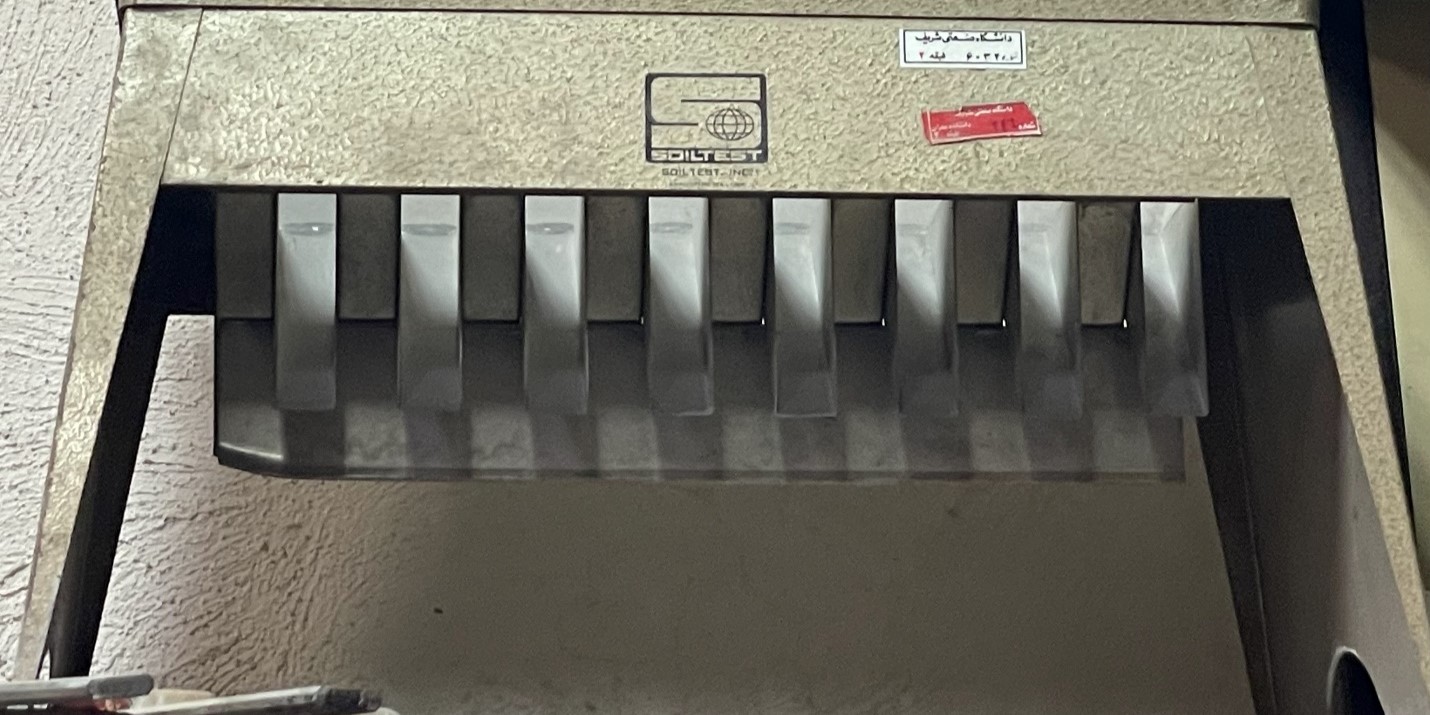
(Image No.10)
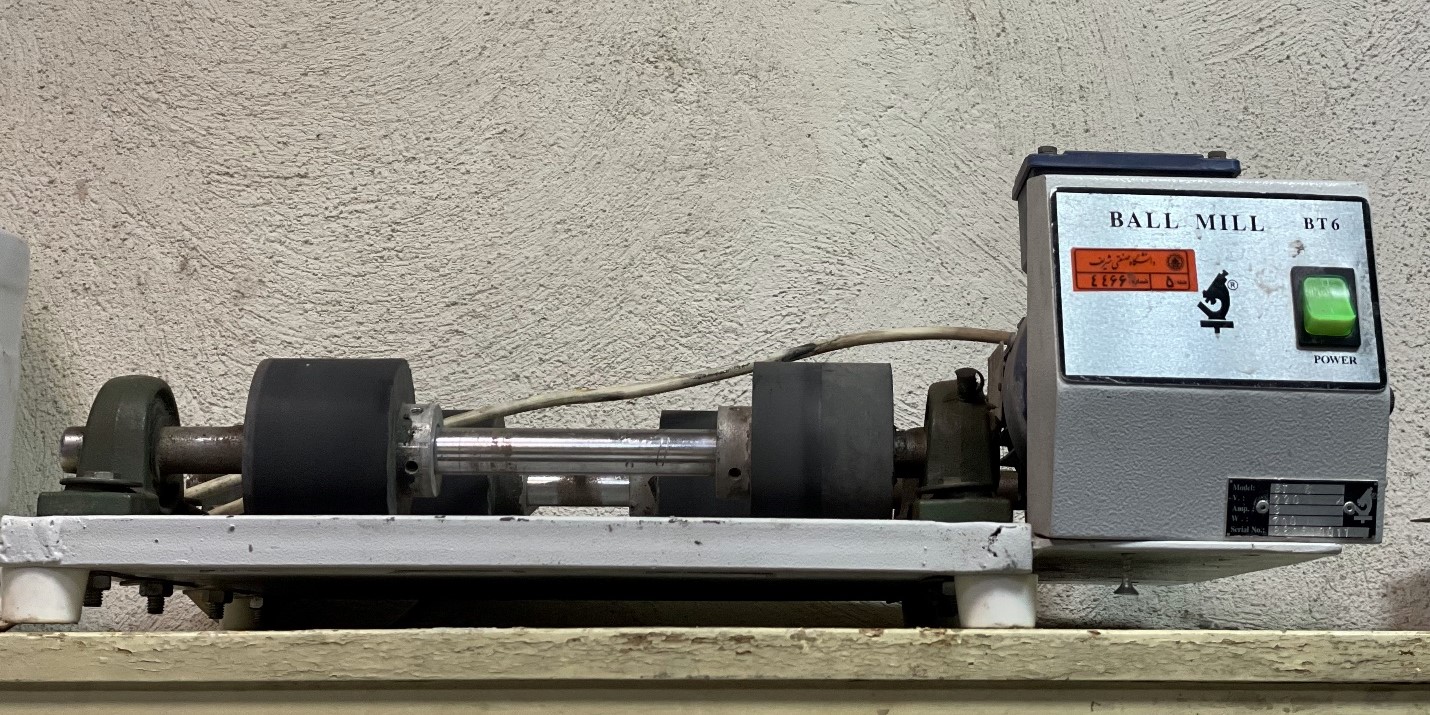
(Image No.9)
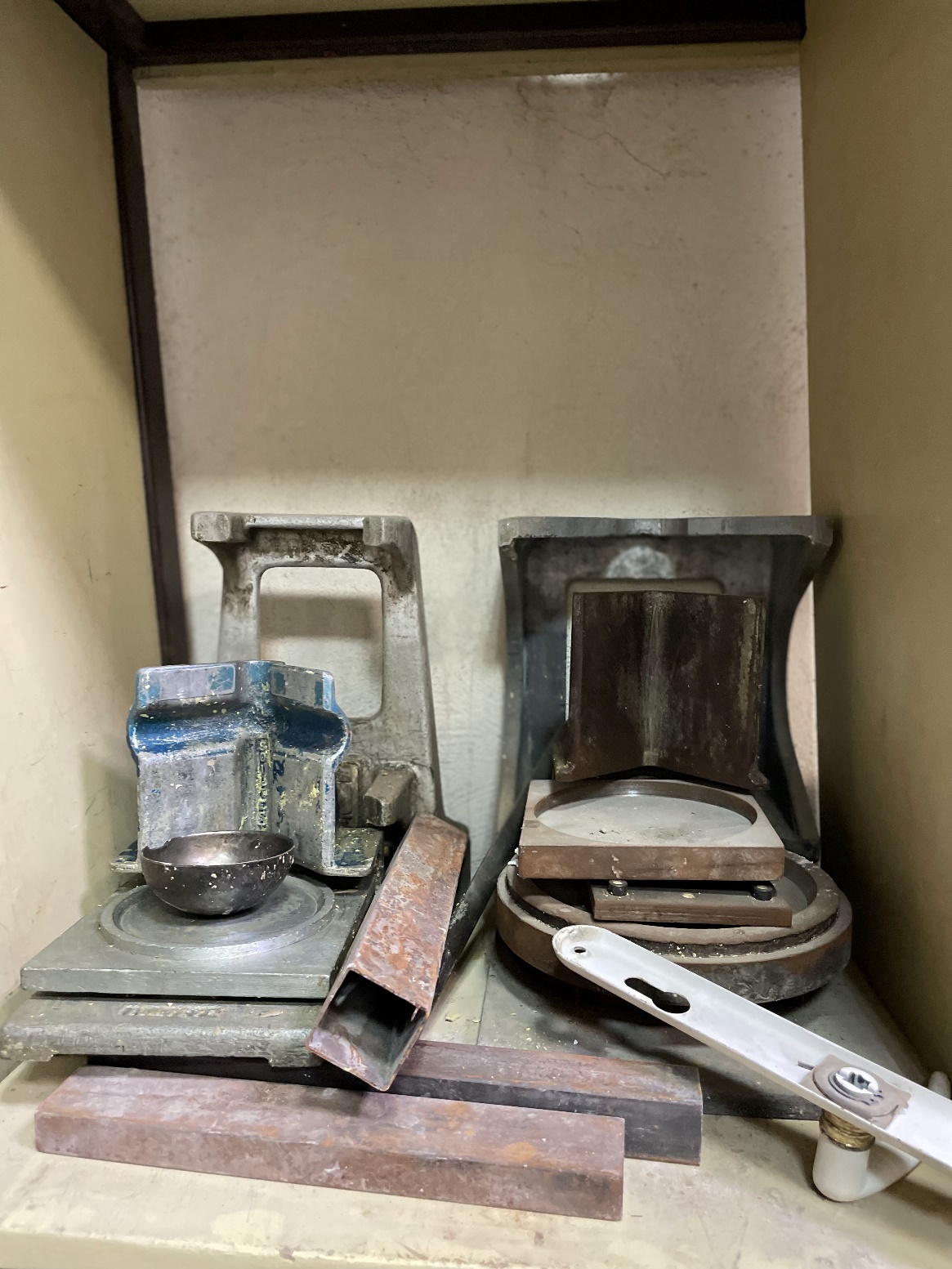
(Image No.8)
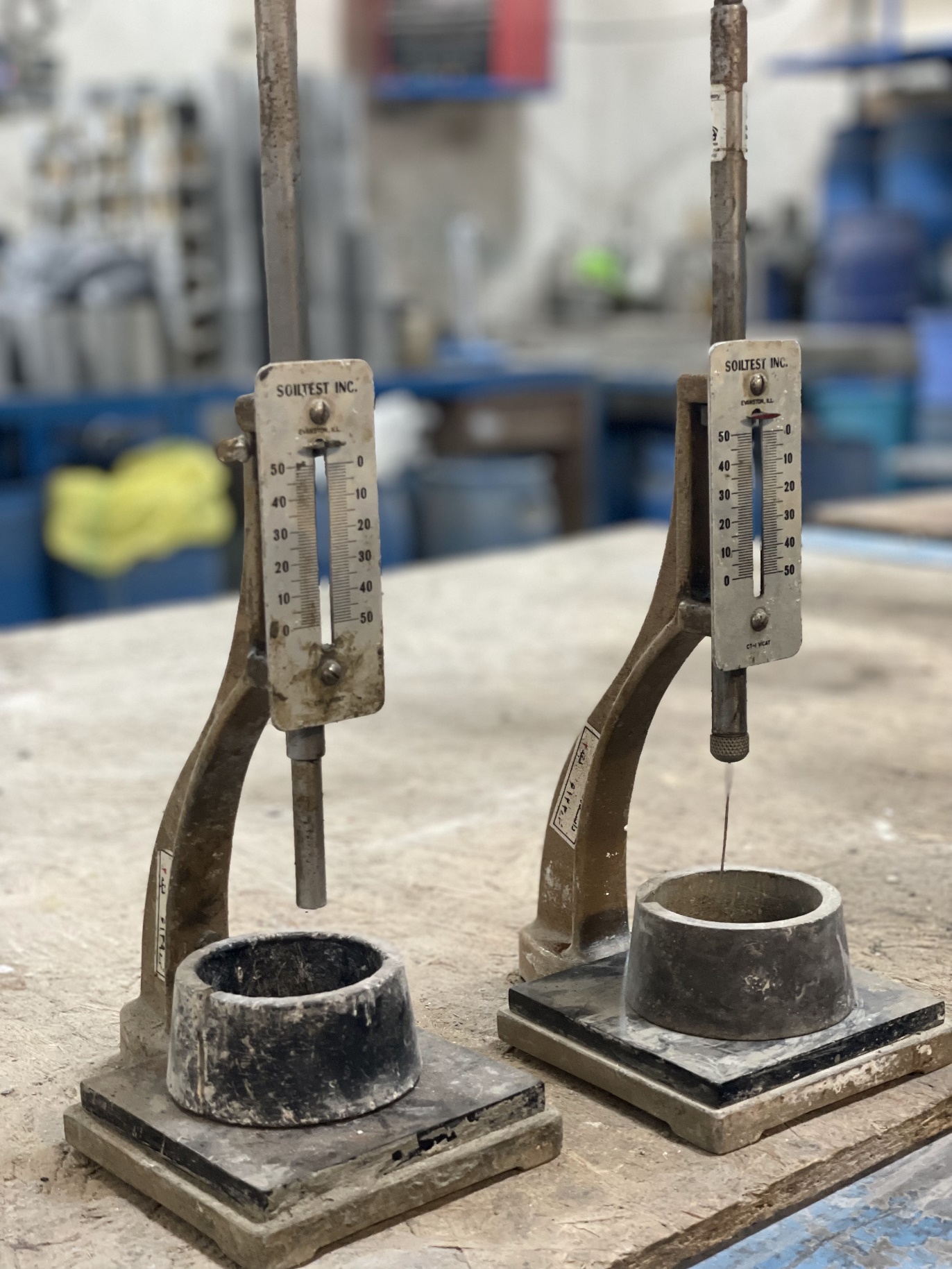
(Image No.11)
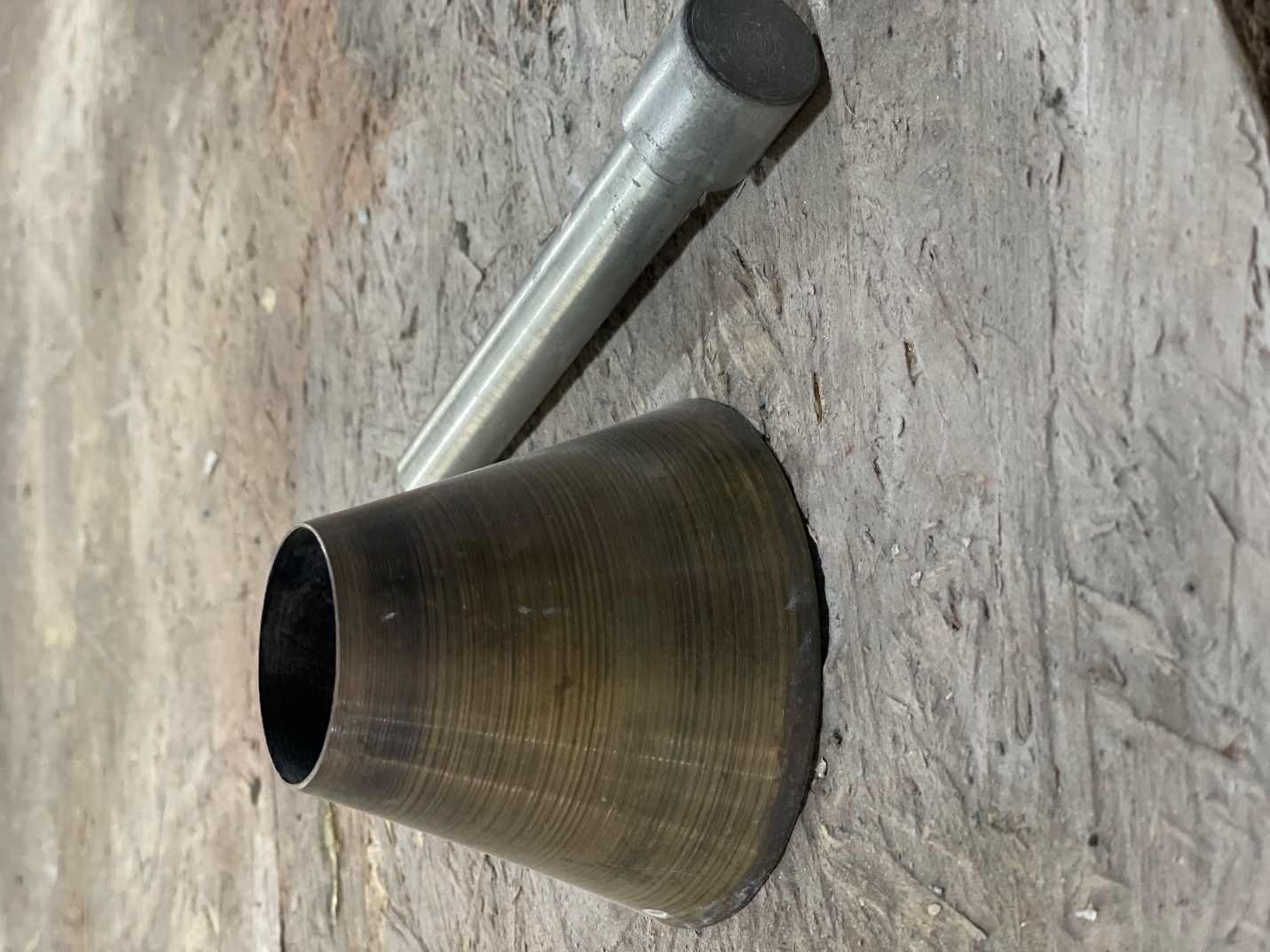
(Image No.12)
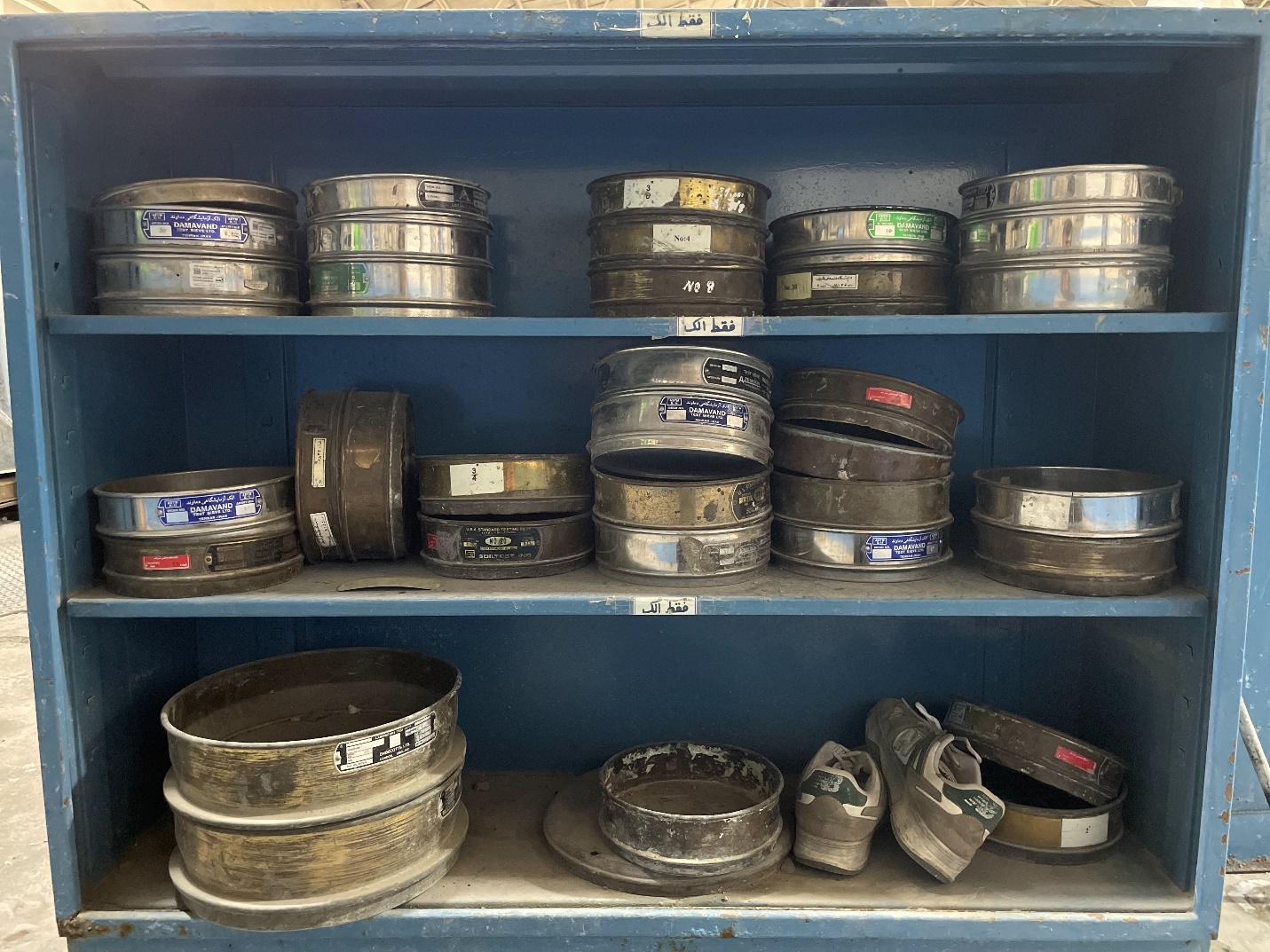
(Image No.13)
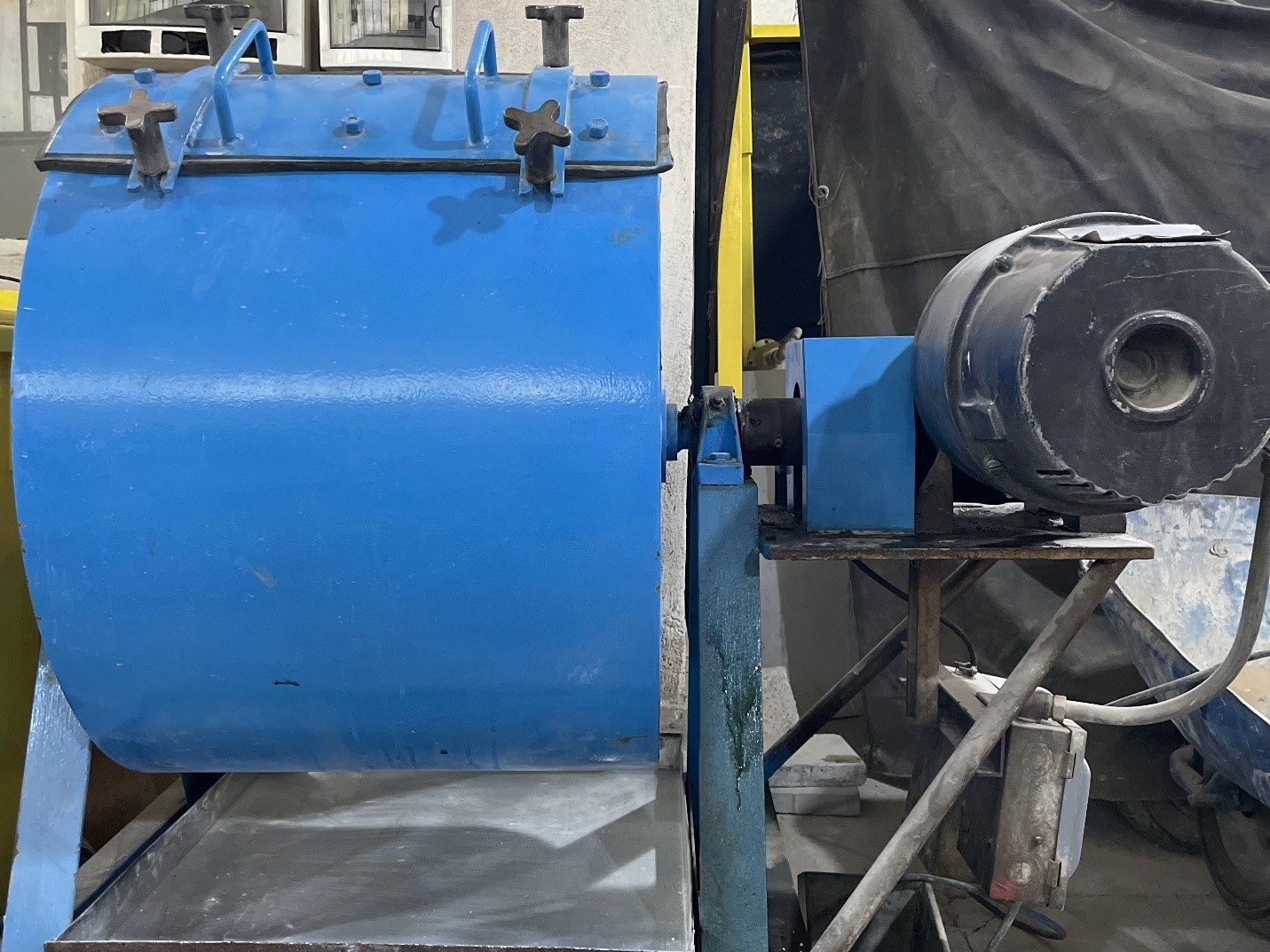
(Image No.3)
Auxiliary and General Equipment
Including:
- Core drilling machine for sampling hardened concrete specimens (Image No. 1)
- Air compressor (Image No. 2)
- Rock crusher for crushing stones into different sizes (Image No. 3)
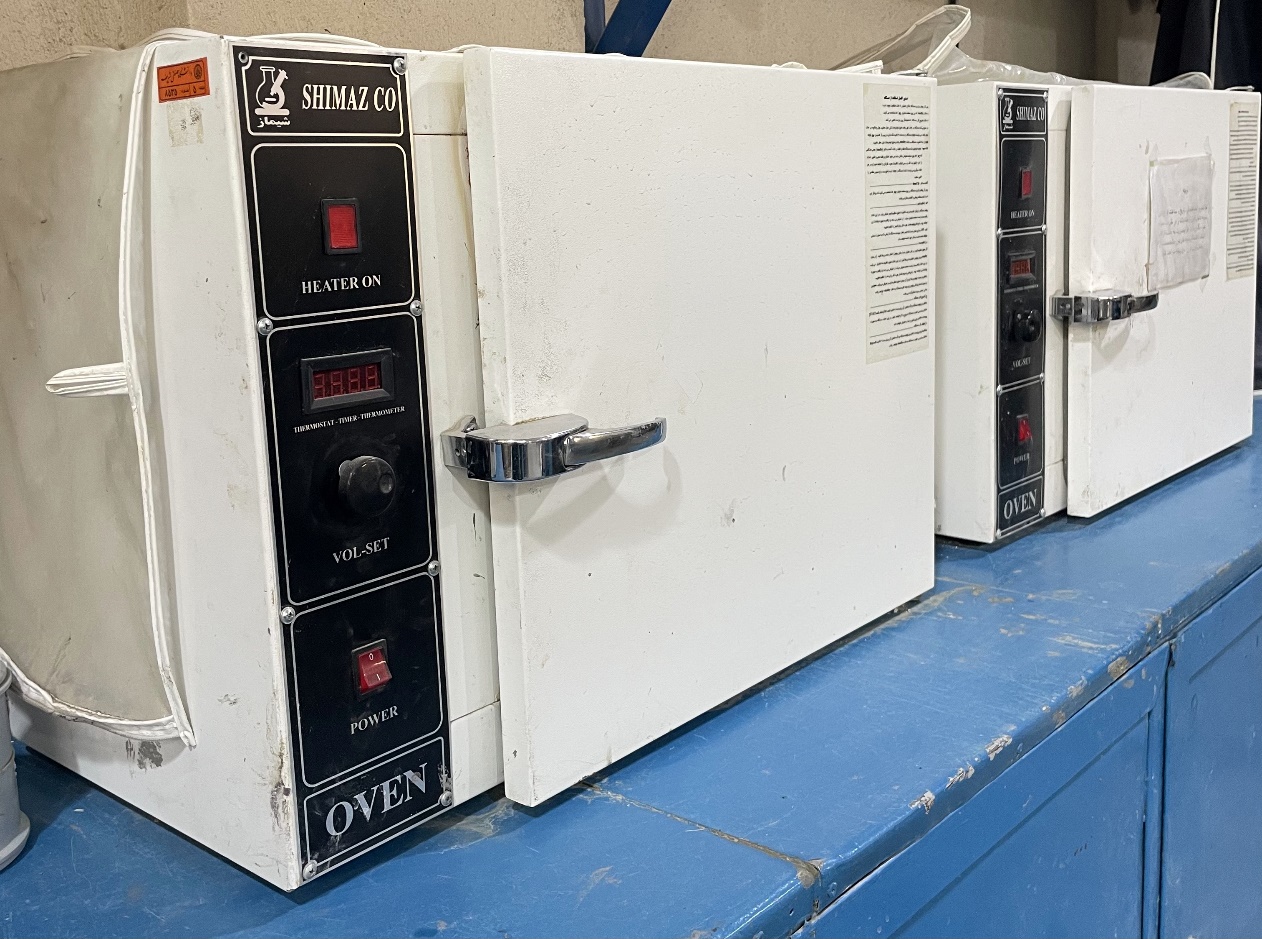
- Oven with adjustable time and temperature (up to 150°C) (Image No. 4)
- Electric furnace, up to 1100°C (Image No. 5)
- Gas furnace (Image No. 6)
- Electric furnace, up to 1700°C (Image No. 7)
- Welding machine (Image No. 8)
- Heater (Image No. 9)
- Standard Containers (Image No.10)
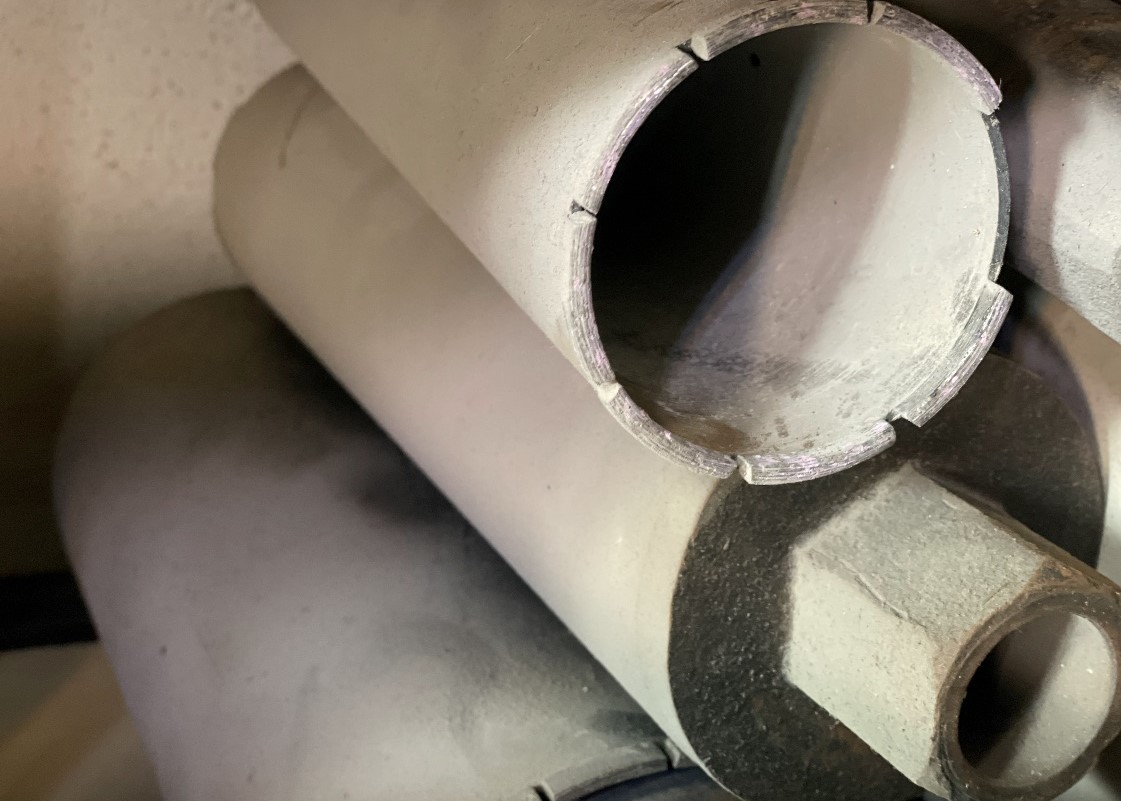
(Image No.1)
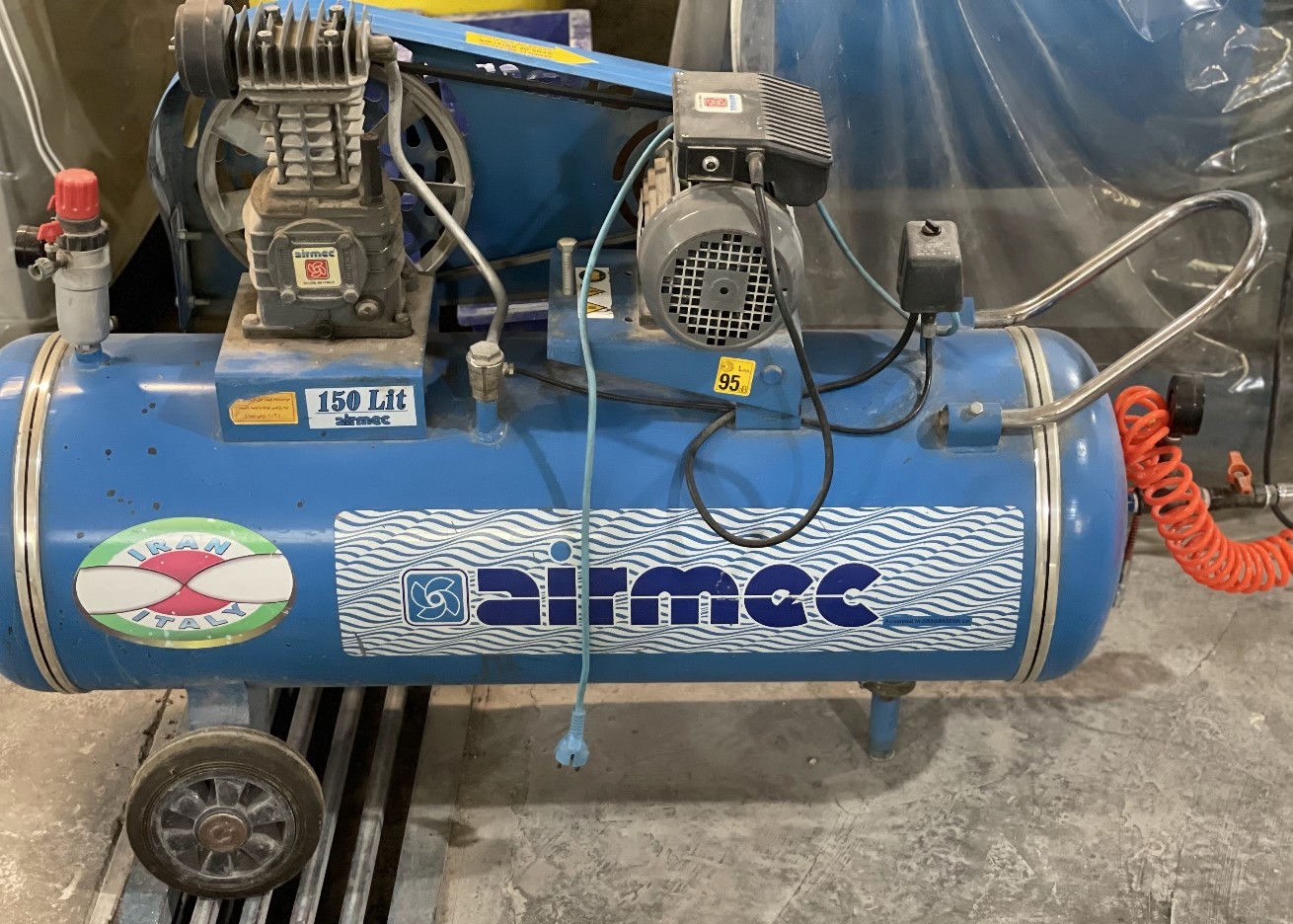
(Image No.2)
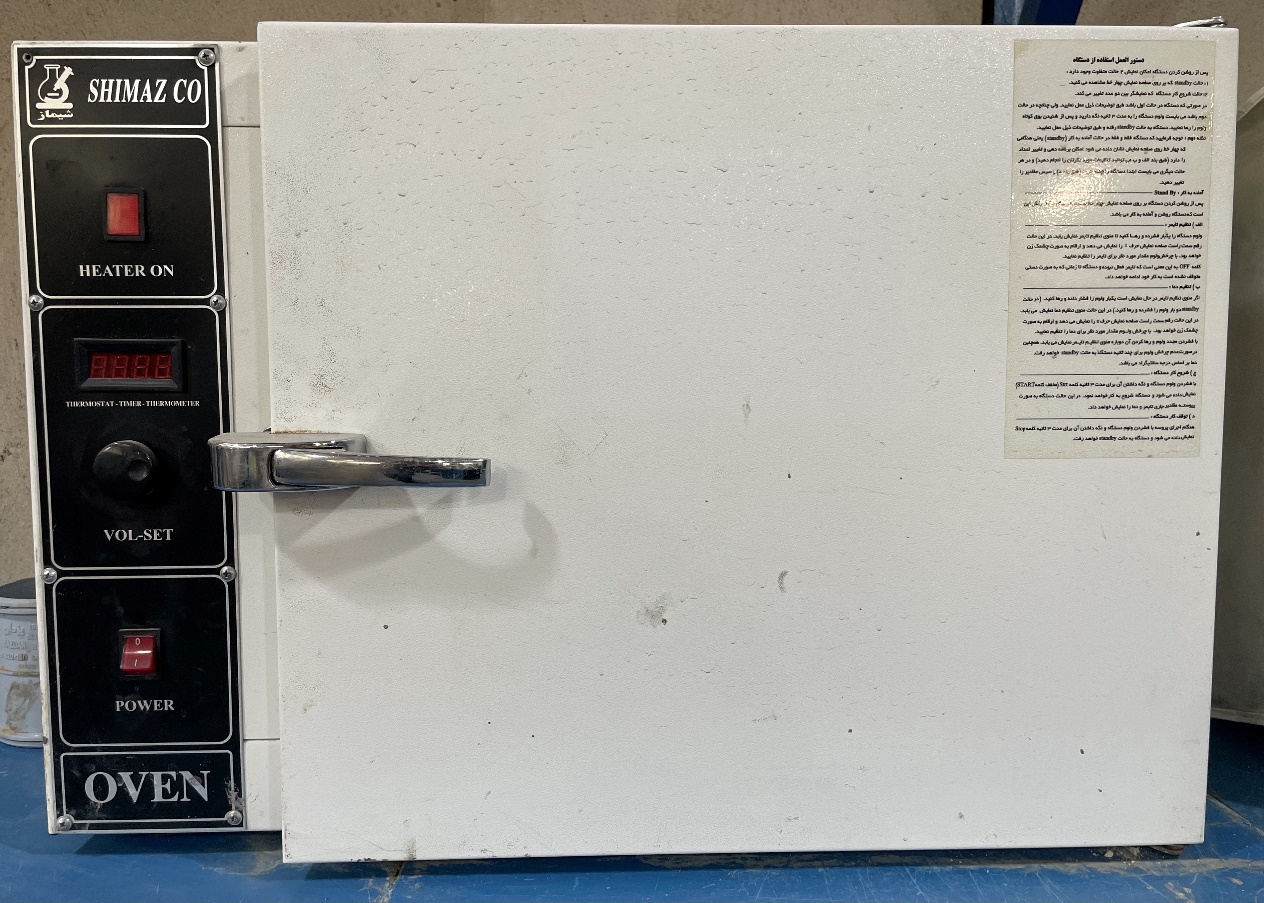
(Image No.4)
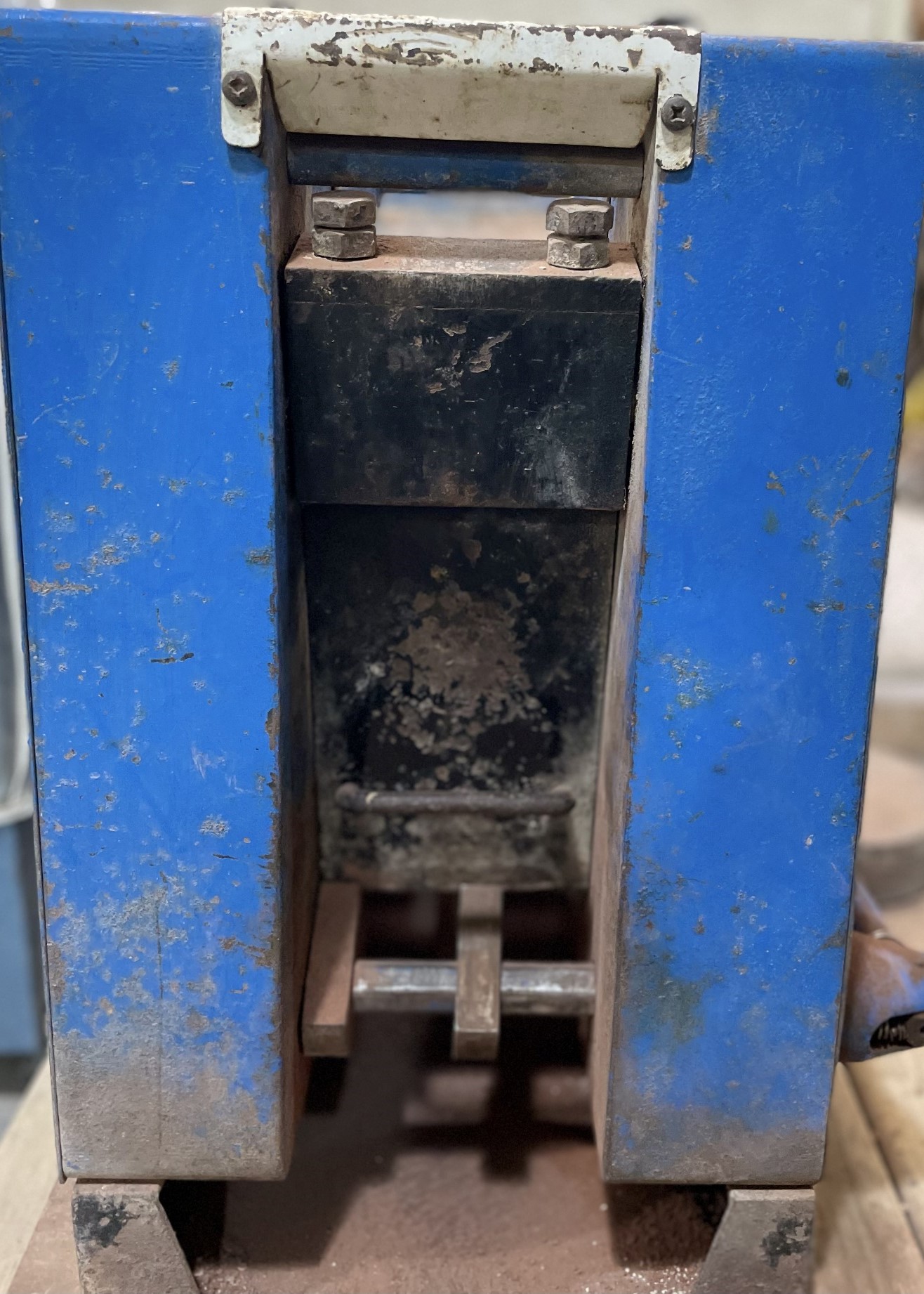
(Image No.3)
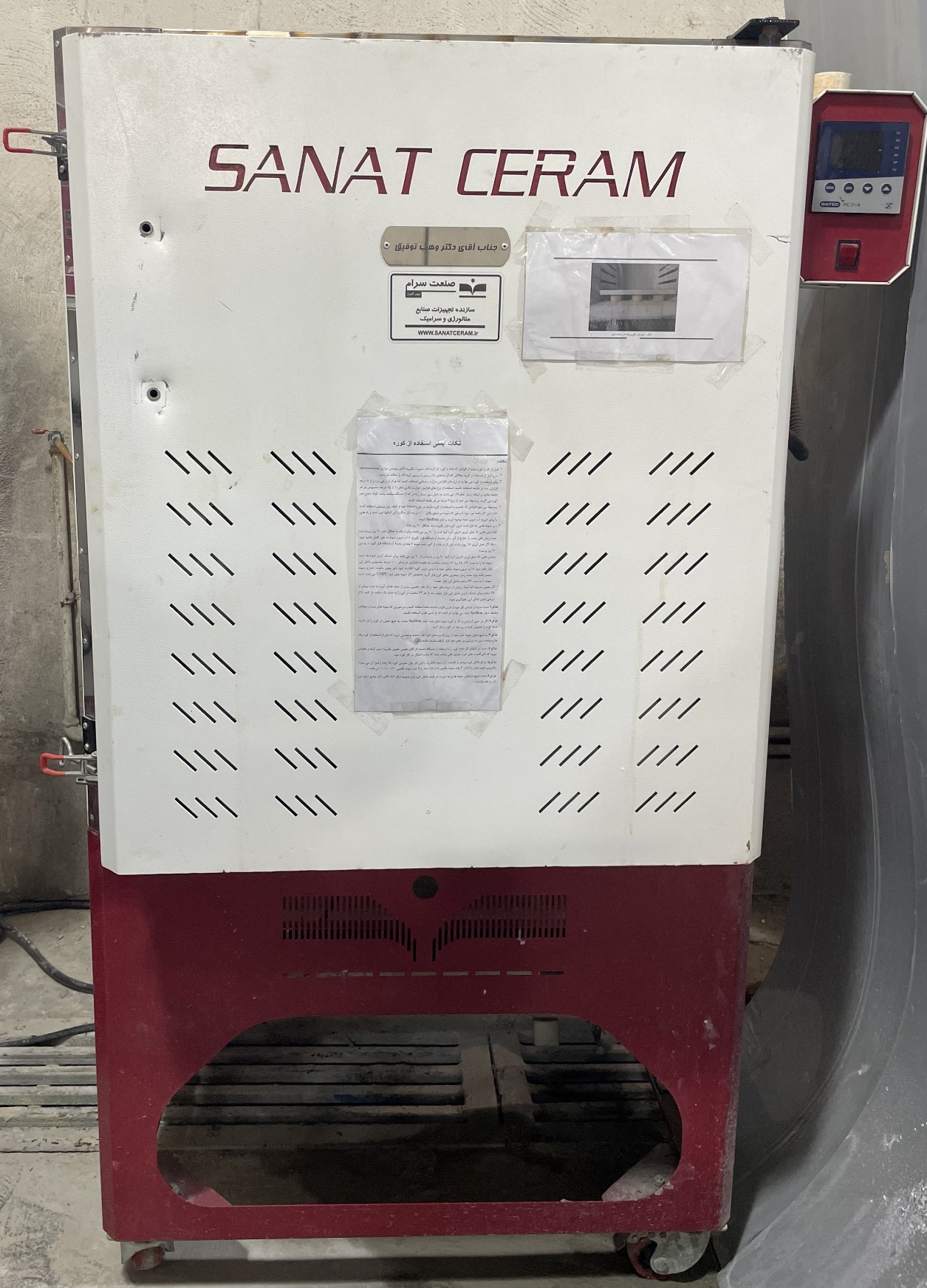
(Image No.5)
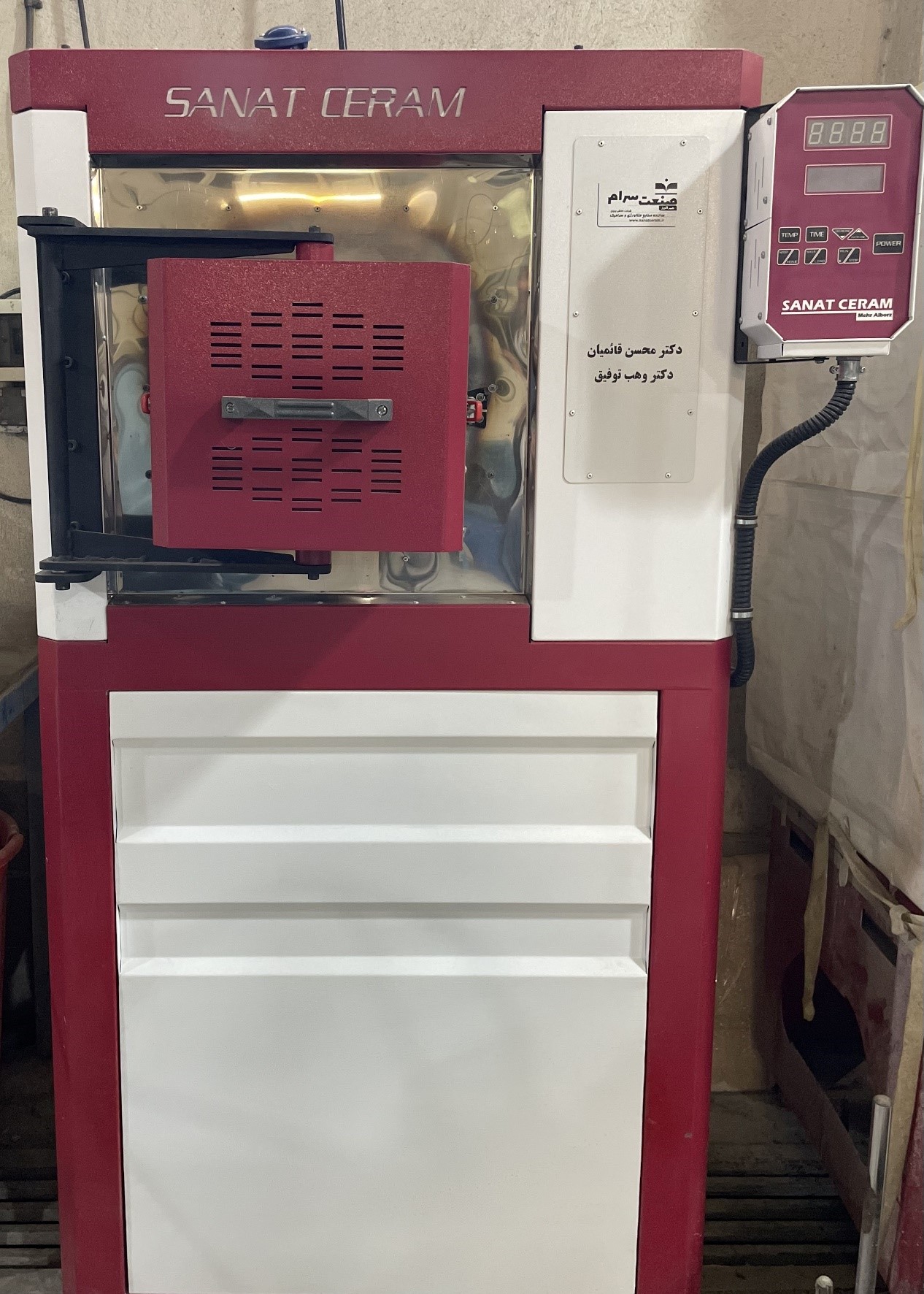
(Image No.7)
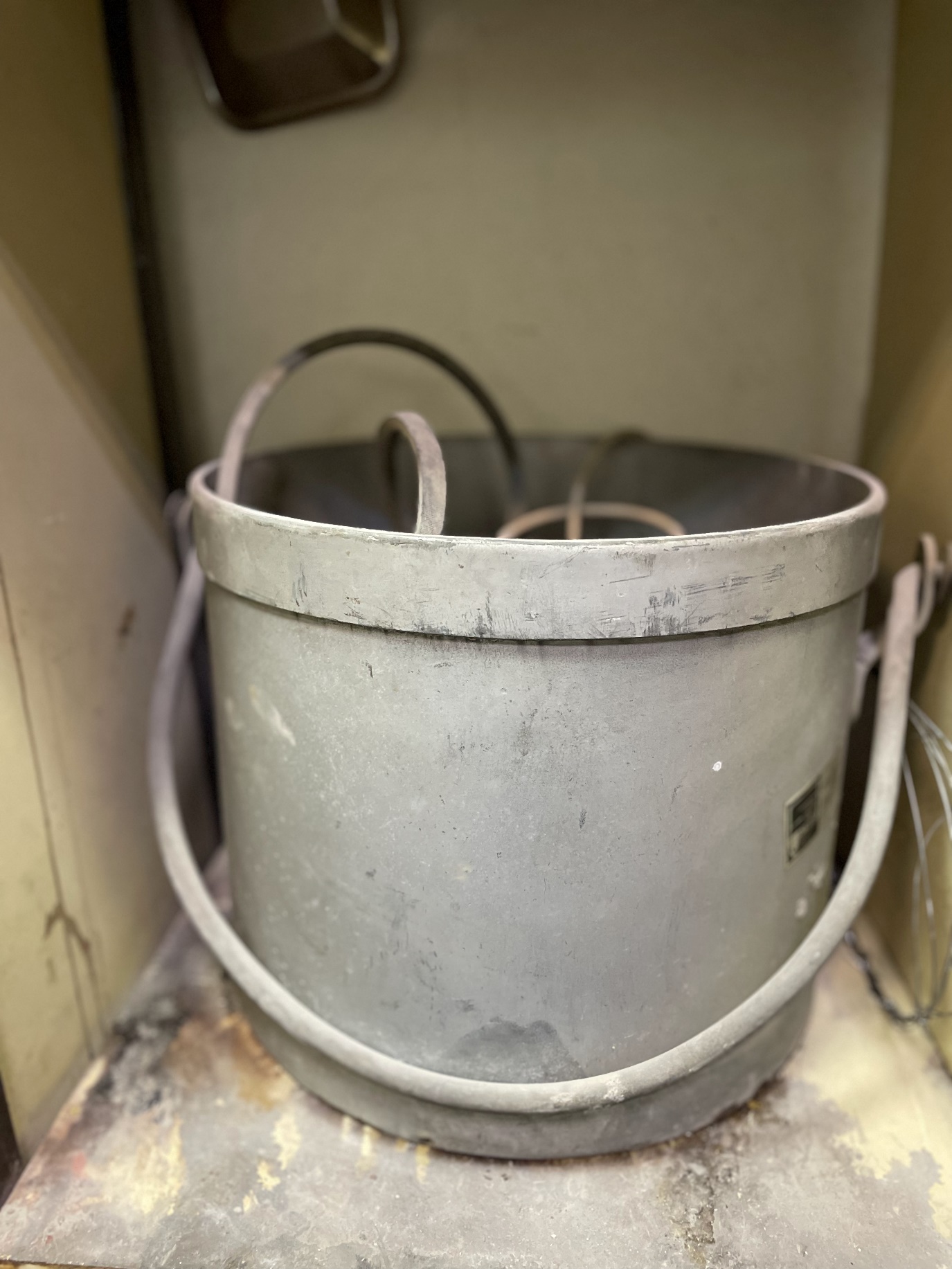
(Image No.10)
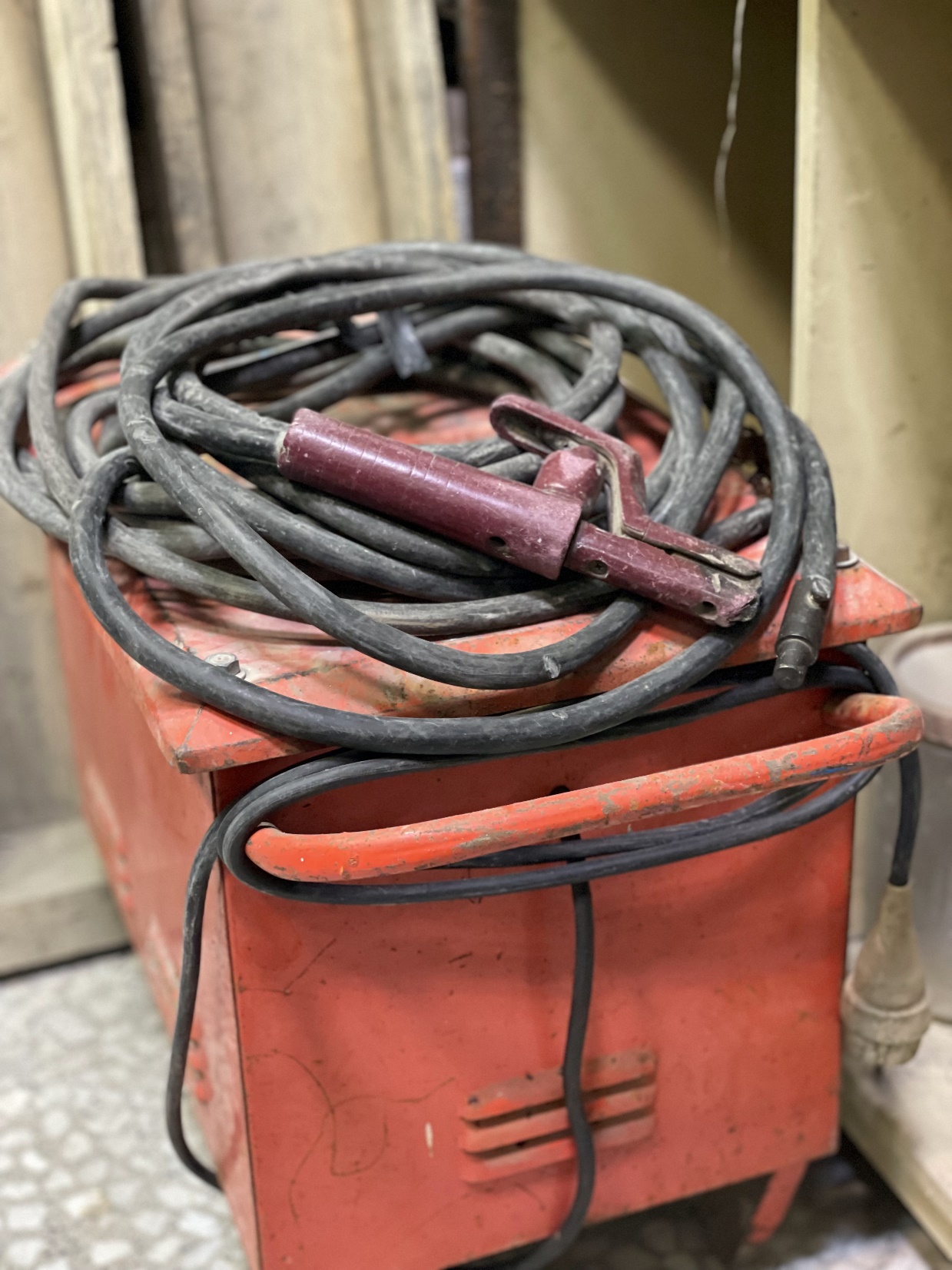
(Image No.8)
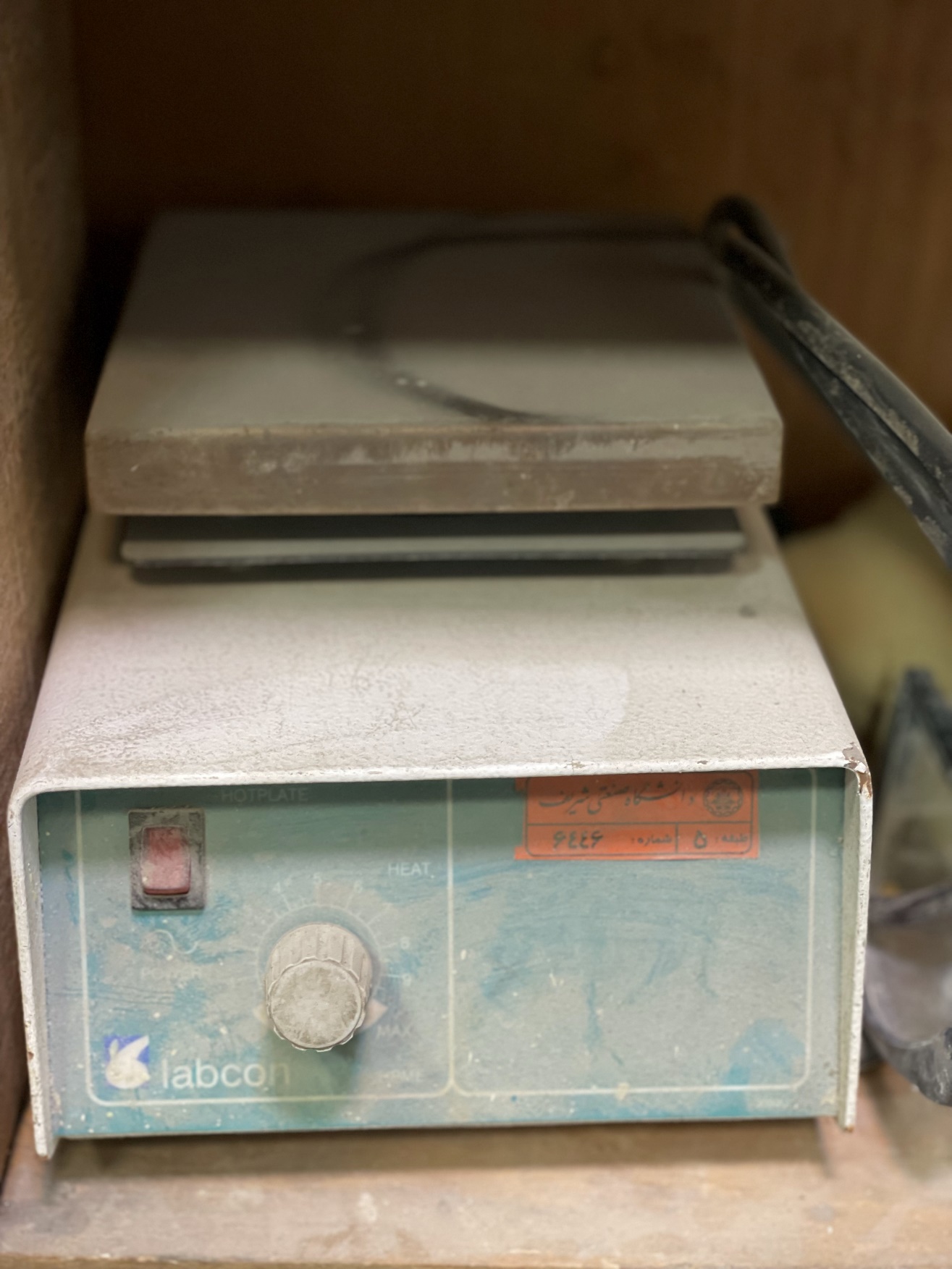
(Image No.9)
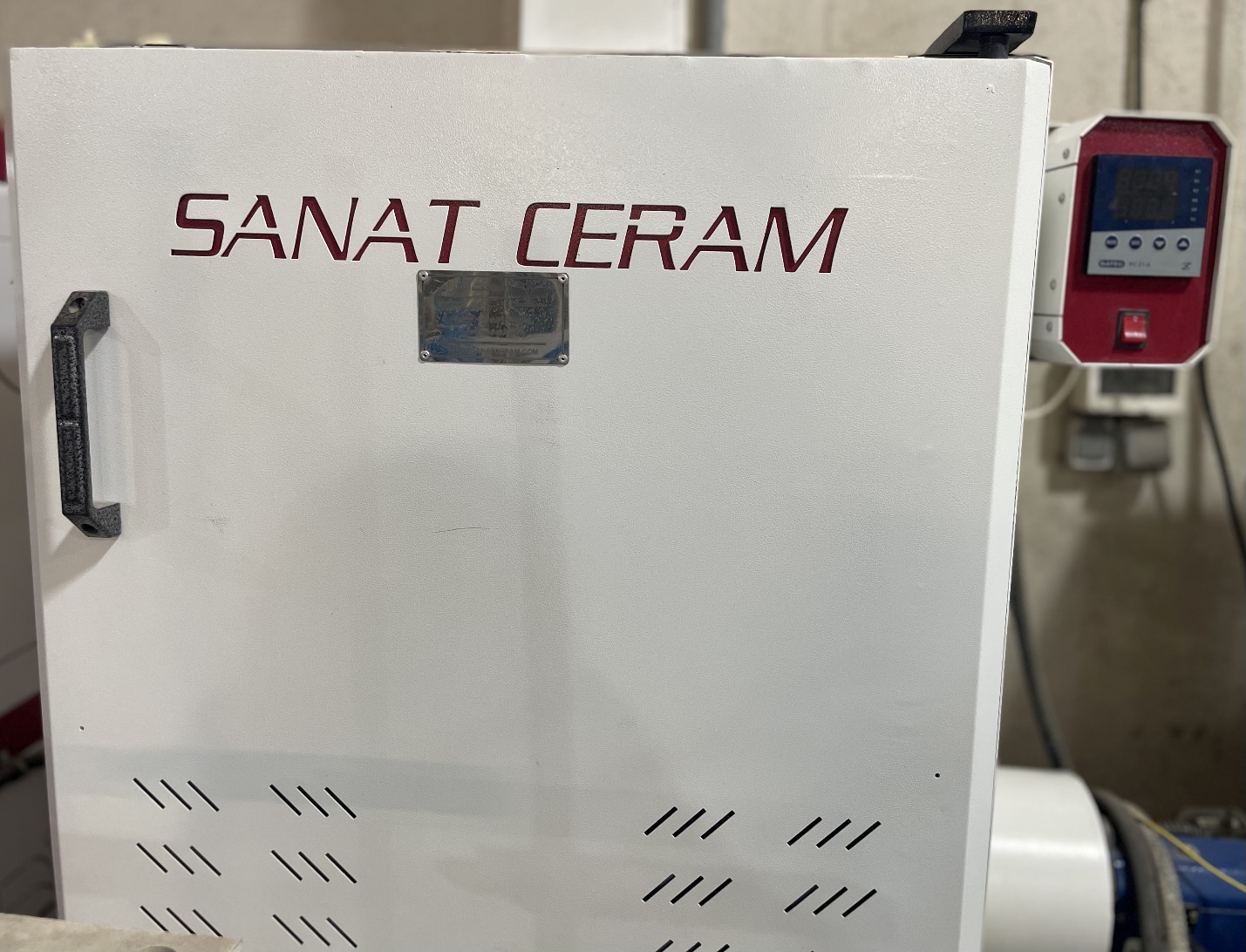
(Image No.6)
Measurement and Control Equipment
Including:
- Digital scale, up to 100 kg (Image No. 1)
- Ultrasonic device for wave velocity measurement (Image No. 2)
- Concrete electrical resistivity measurement device (Image No. 3)
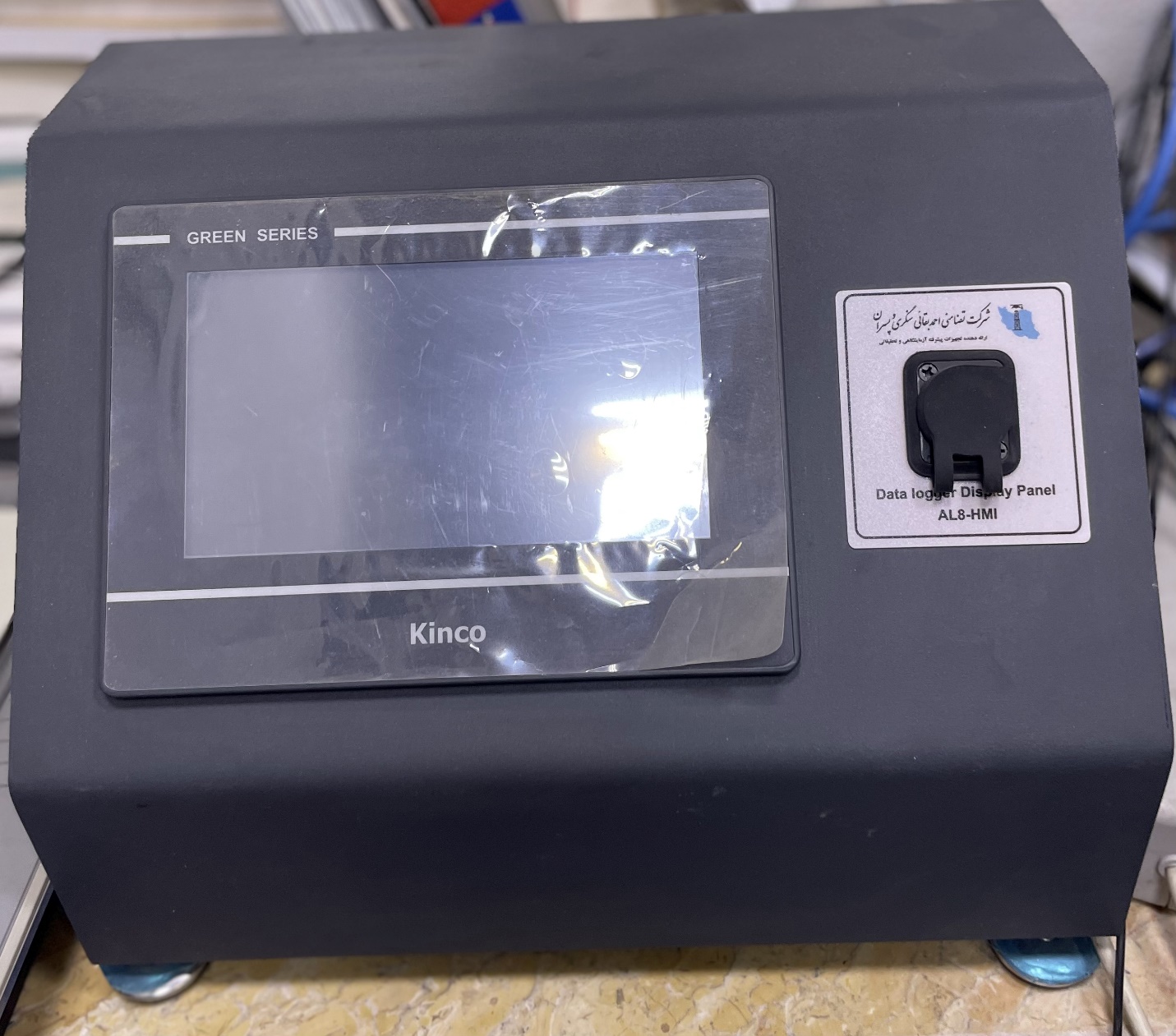
- Data logger (Image No. 4)
- LVDT displacement sensor for measuring displacements in tests (Image No. 5)
- Device for measuring elongation and flakiness of aggregates (Image No. 6)
- Magnetic base for measuring strain on the testing jack (Image No. 7)
- Caliper (Image No. 8)
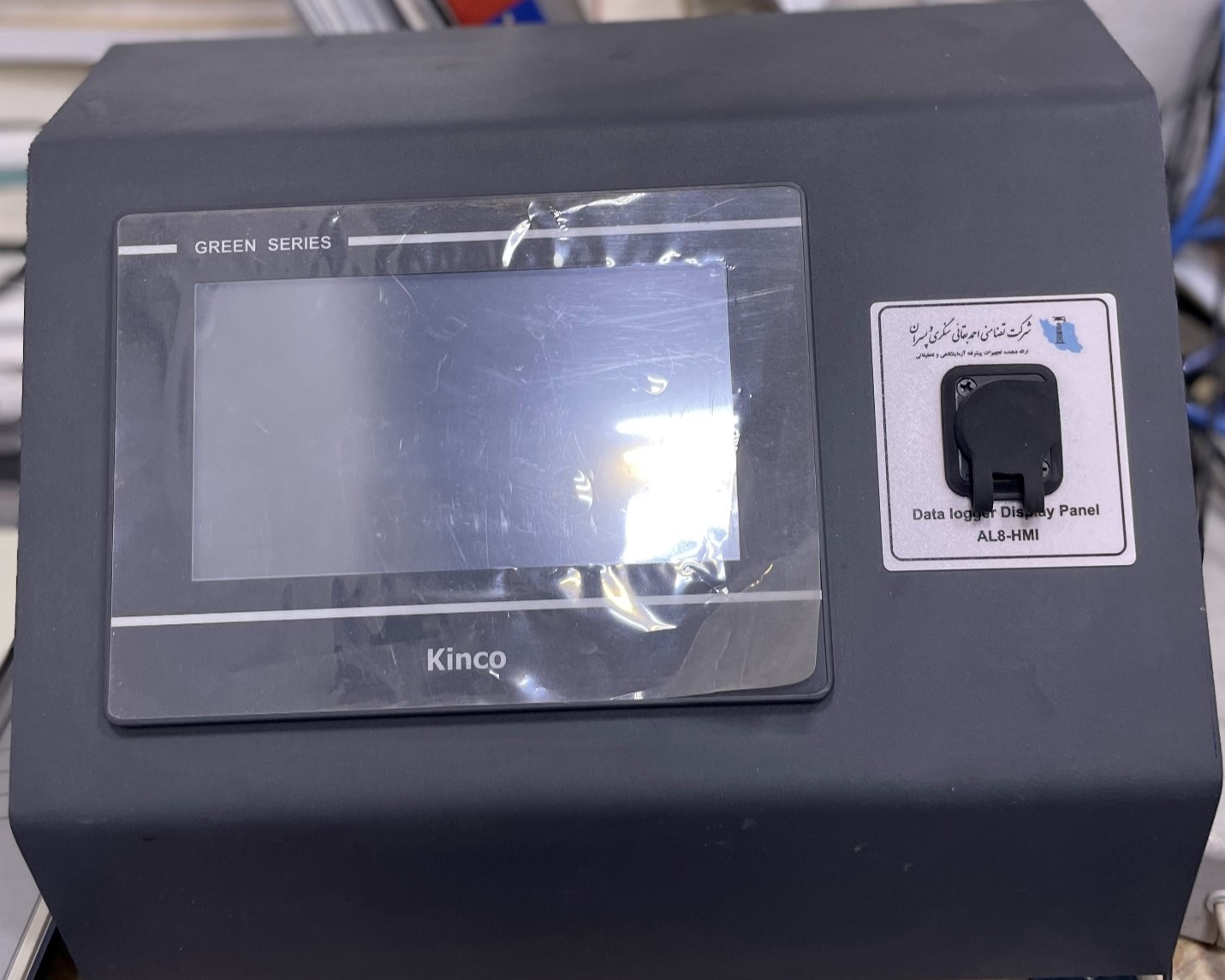
(Image No.4)
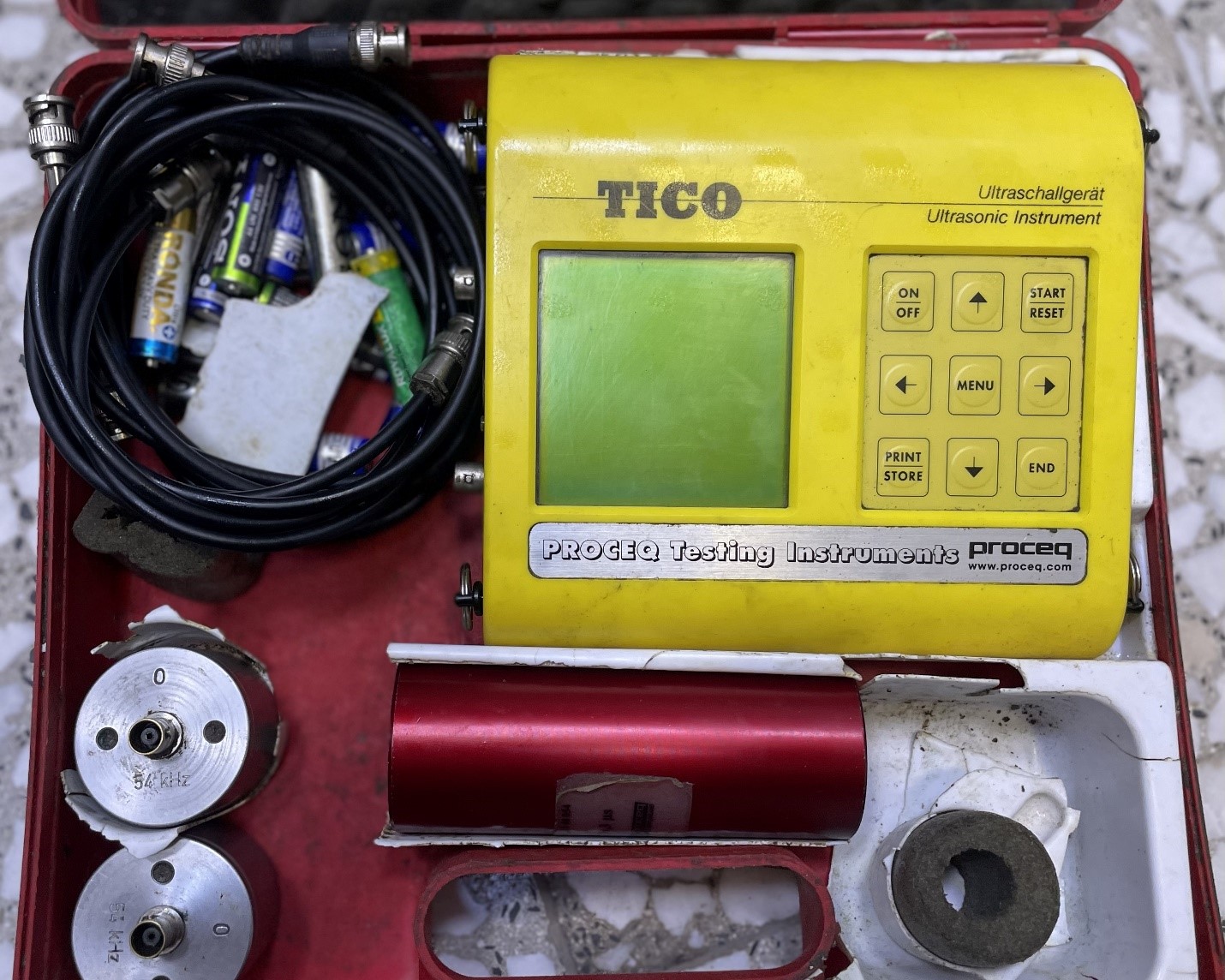
(Image No.2)
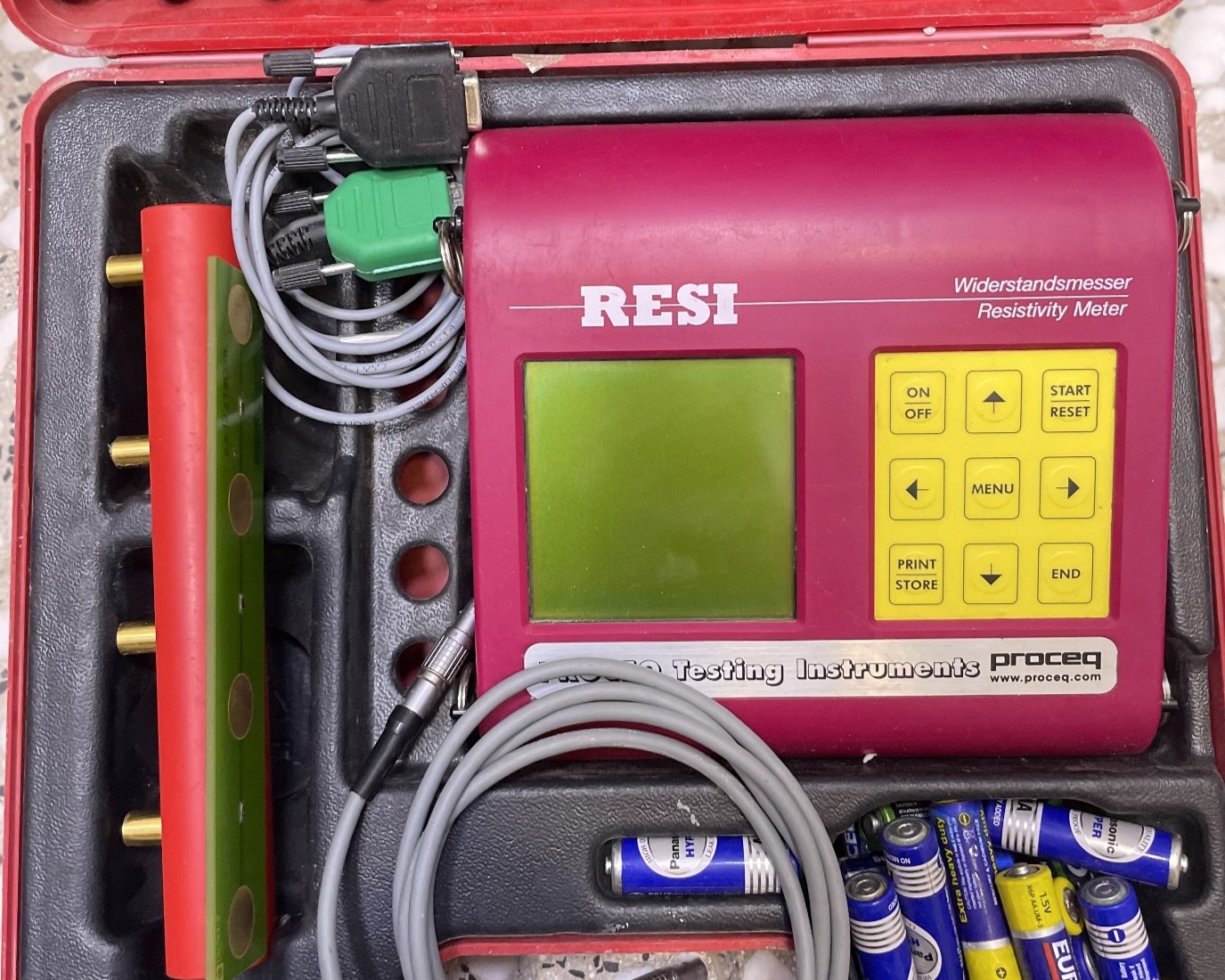
(Image No.3)
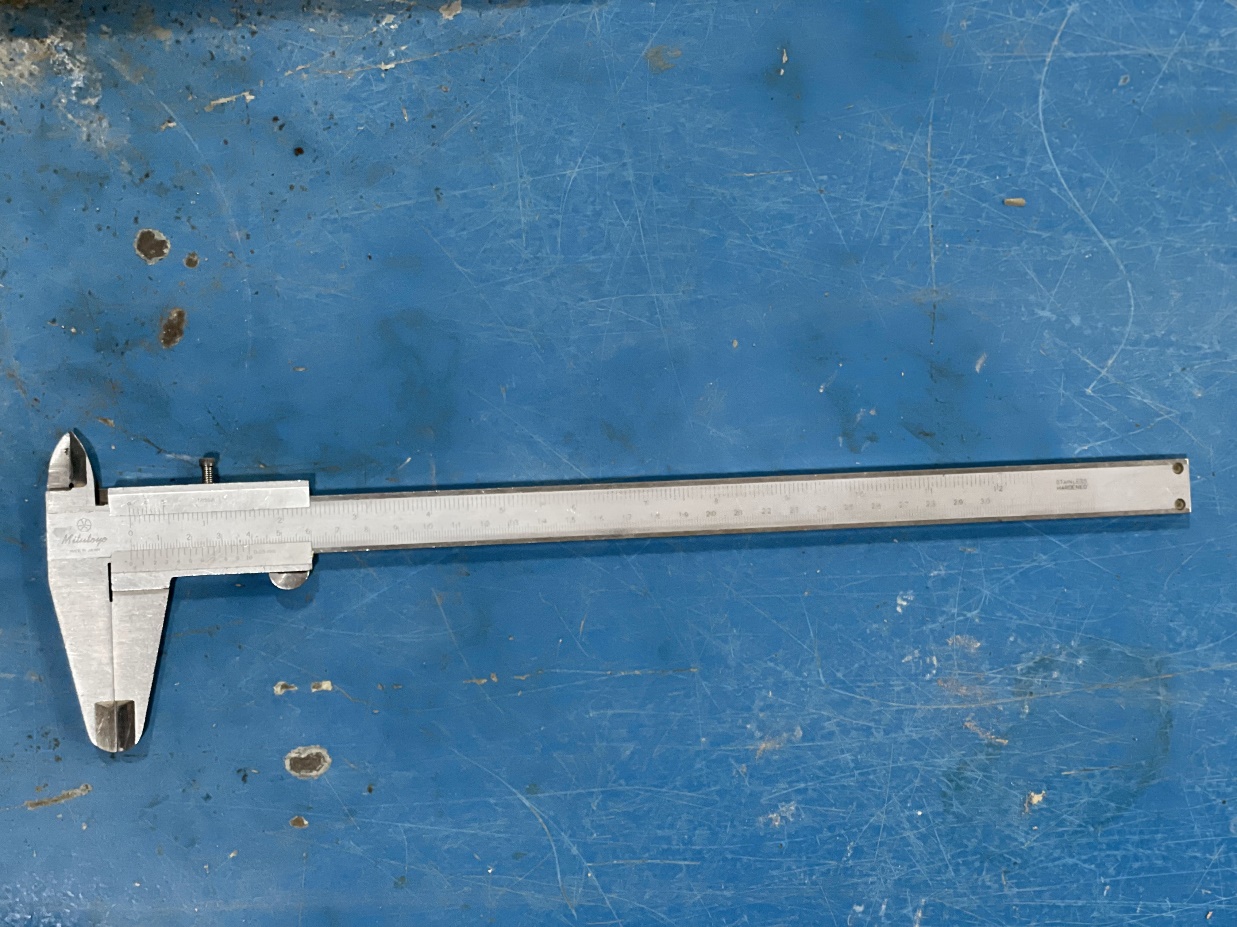
(Image No.8)
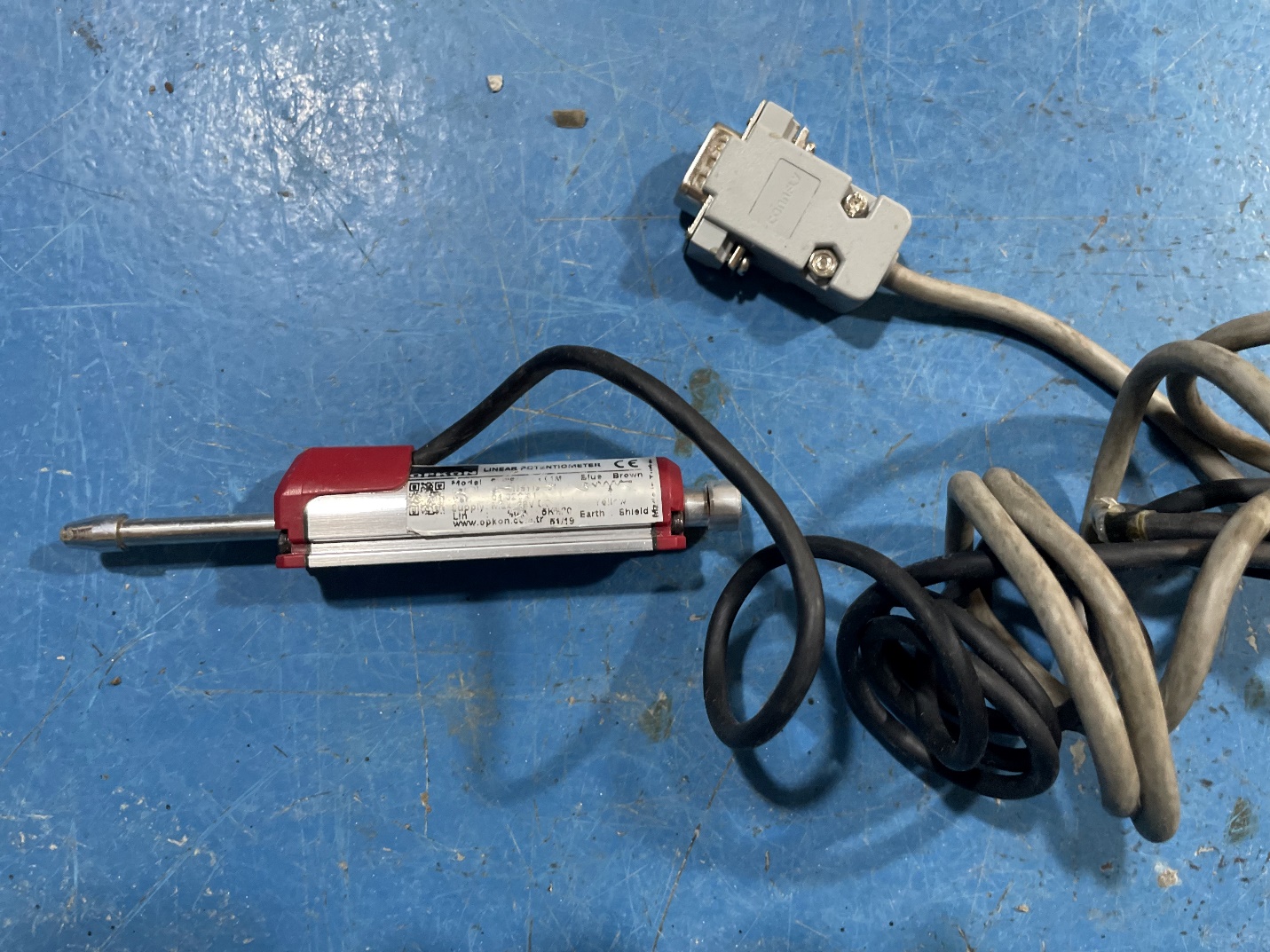
(Image No.5)
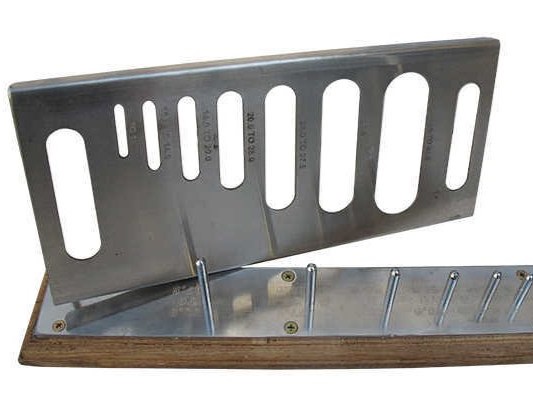
(Image No.6)
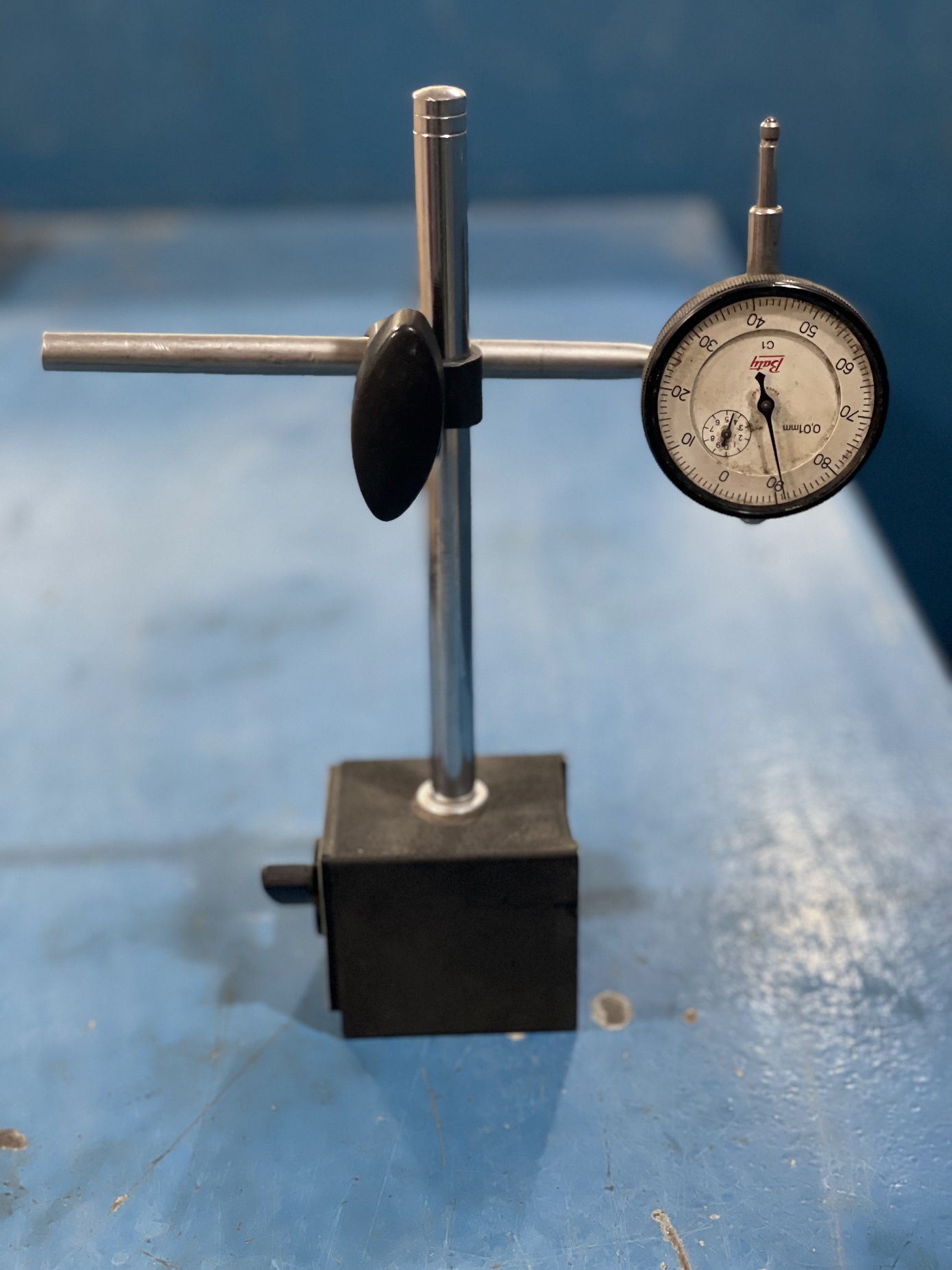
(Image No.7)
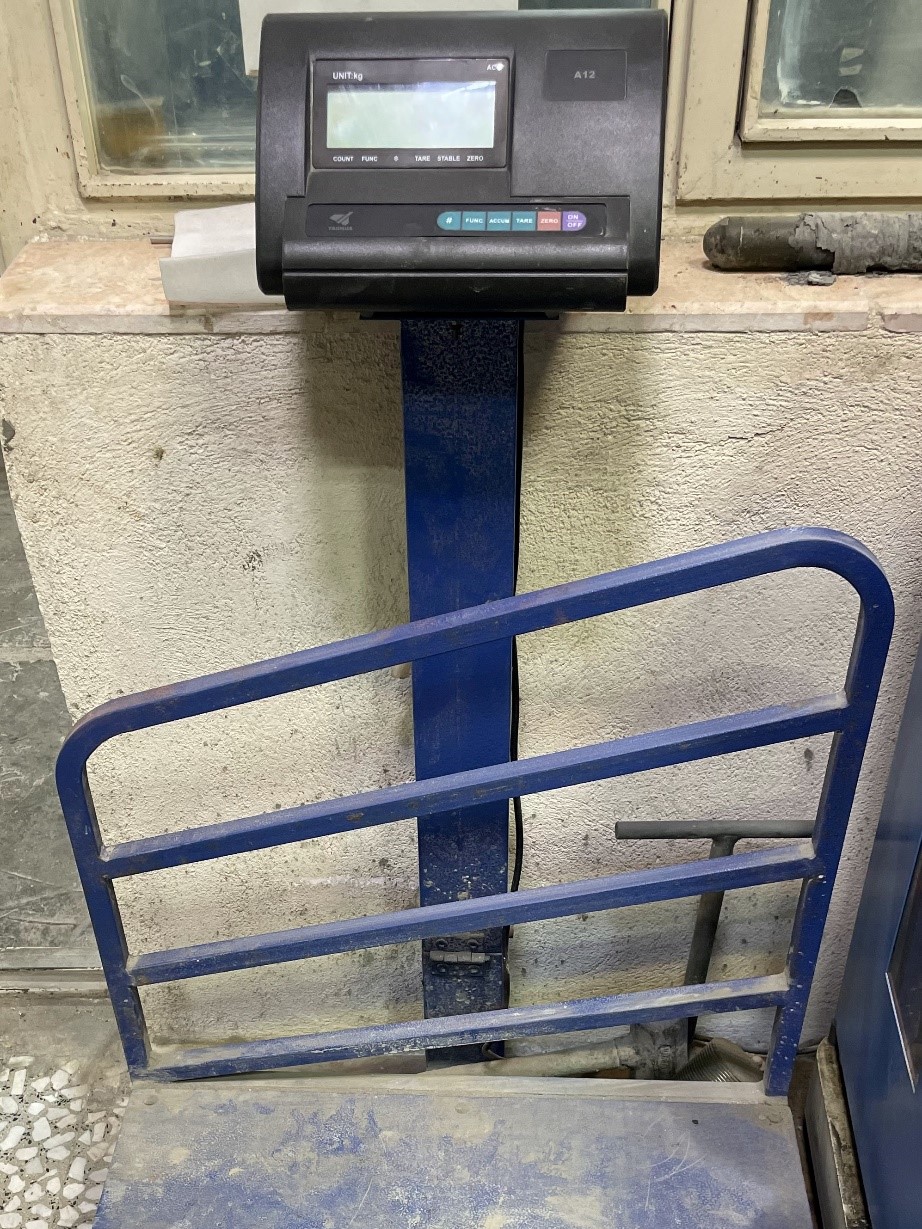
(Image No.1)
Last Update: