
Laboratory Equipment
Some of the most important laboratory equipment of the Soil Mechanics Laboratory at the Faculty of Civil Engineering are as follows:

Some of the most important laboratory equipment of the Advanced Soil Mechanics Laboratory at the Faculty of Civil Engineering are as follows:
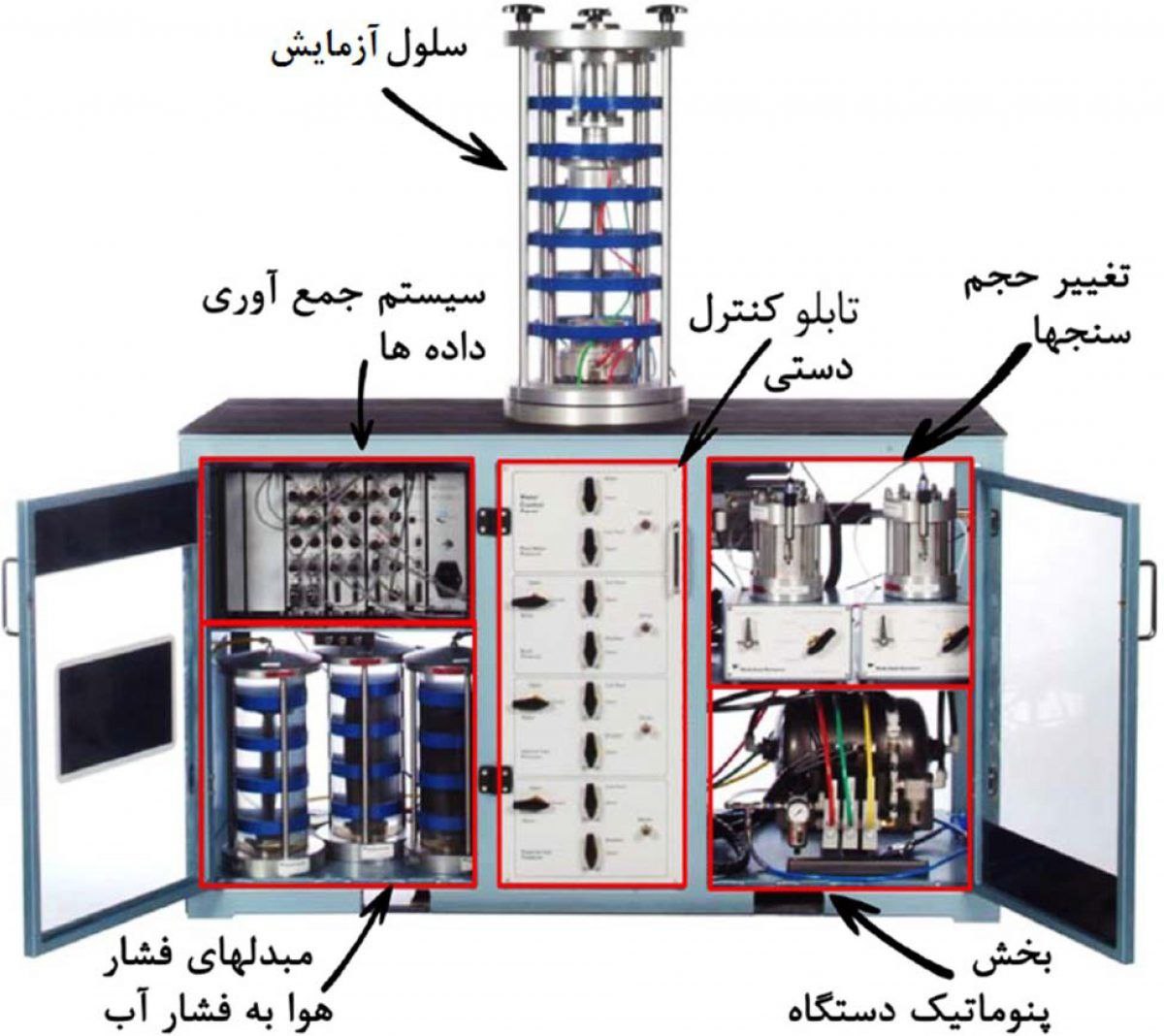
Dynamic Hollow Cylinder Apparatus
Dynamic Hollow Cylinder Apparatus
Main Features:
Applications:
Some Research Projects:
- Simultaneous control of four loading axes
- Ability to apply frequencies up to 1 Hz
- Static shear mode under both stress-control and strain-control conditions
- Cyclic shear mode under stress-control conditions
Applications:
- Evaluation of the effects of induced anisotropy
- Evaluation of the effects of principal stress rotation
- Evaluation of the effects of intermediate principal stress
- Investigation of the effects of independent control of the direction and magnitude of principal stresses on consolidation behavior, static shear, and cyclic shear behavior
Some Research Projects:
- Investigation of the effects of principal stress direction and initial anisotropy on the behavior of silty sand (Keyhani and Haeri, 2013)
- Investigation of the cyclic behavior of anisotropic sands (Jafarzadeh and Zamianian, 2014a and 2014b)
- Development of a dynamic hollow cylinder apparatus for unsaturated soil testing (Hosseinpour et al., 2016)
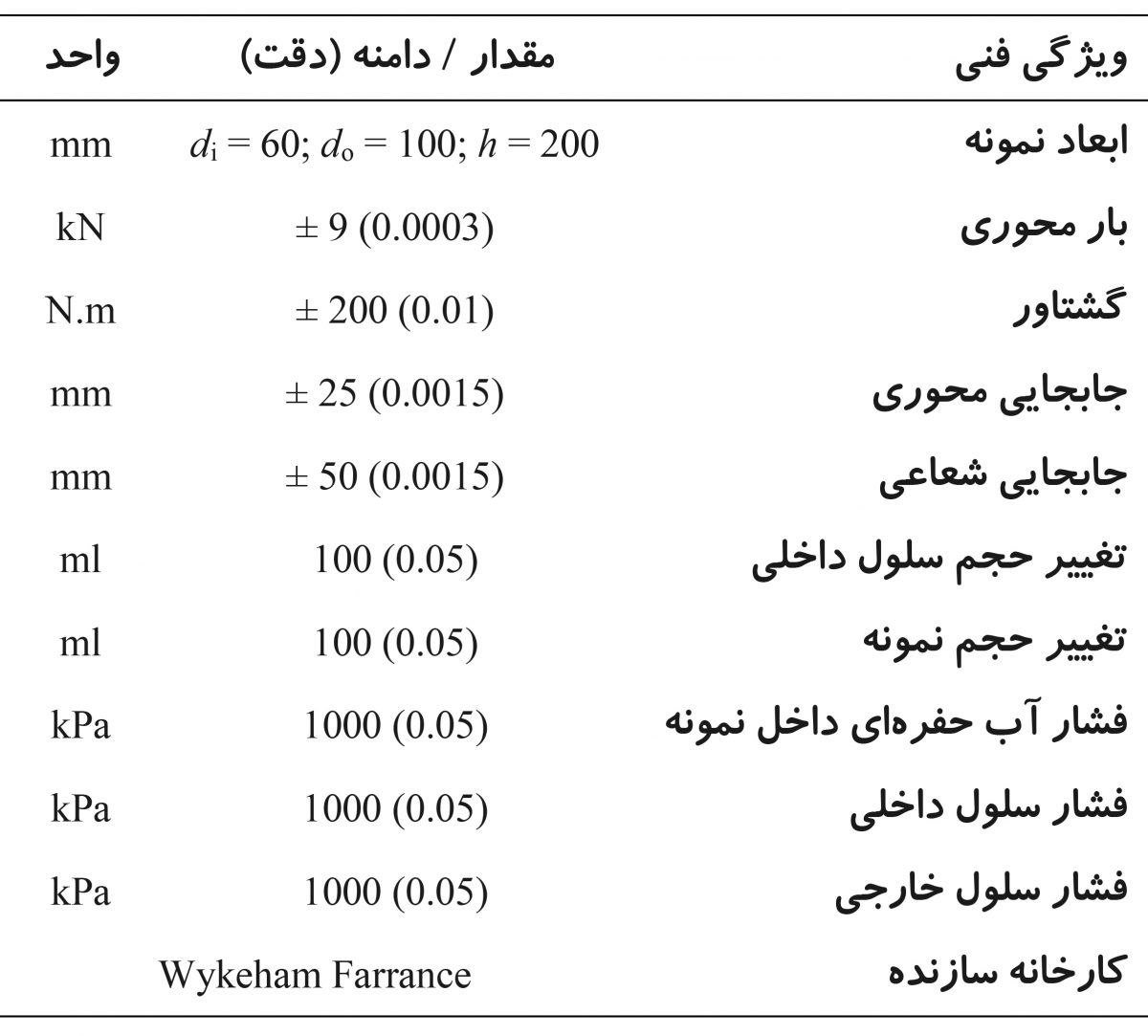
- Technical Specifications of the Dynamic Hollow Cylinder Apparatus
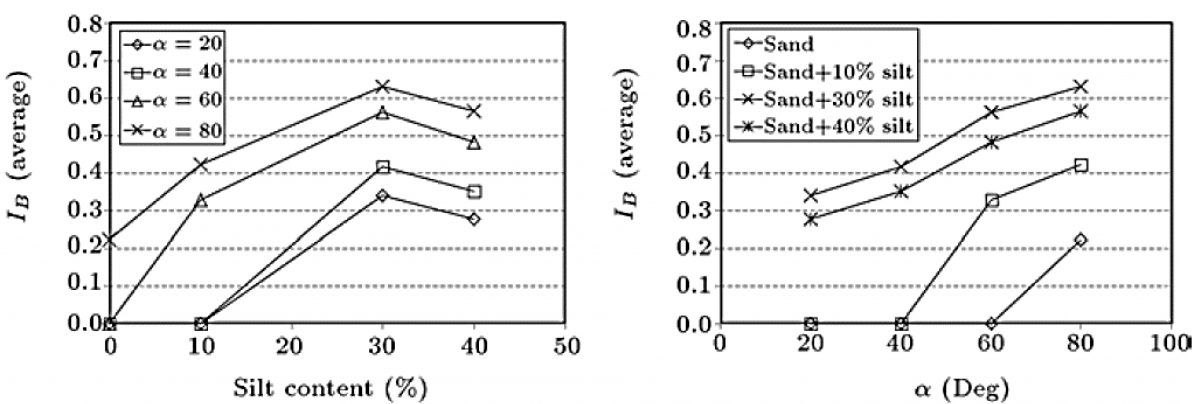
- Variation of the average Brittleness Index (IB) with silt content and the direction of the principal stresses relative to the vertical axis (α) (Keyhani and Haeri, 2013)
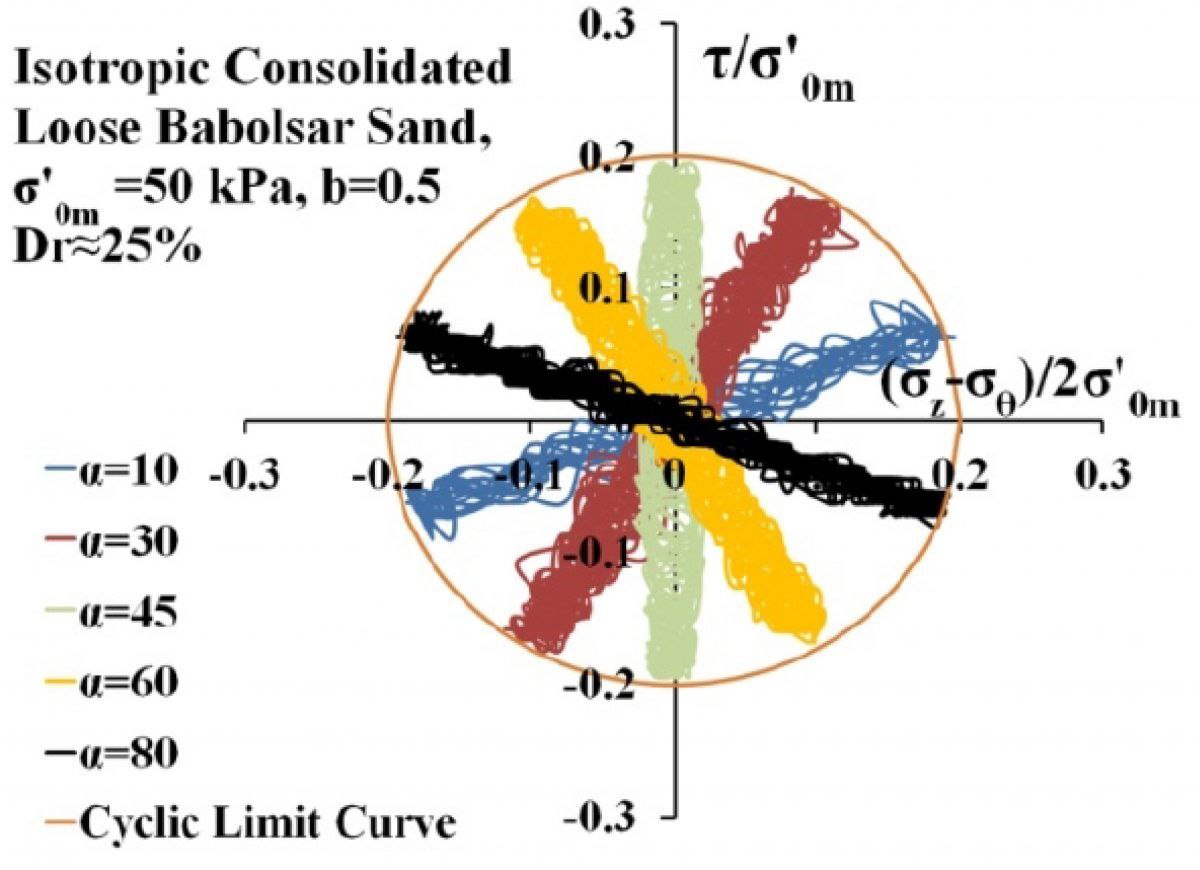
- Torsional shear stress and deviatoric stress paths in cyclic tests (Jafarzadeh and Zamianian, 2014a)
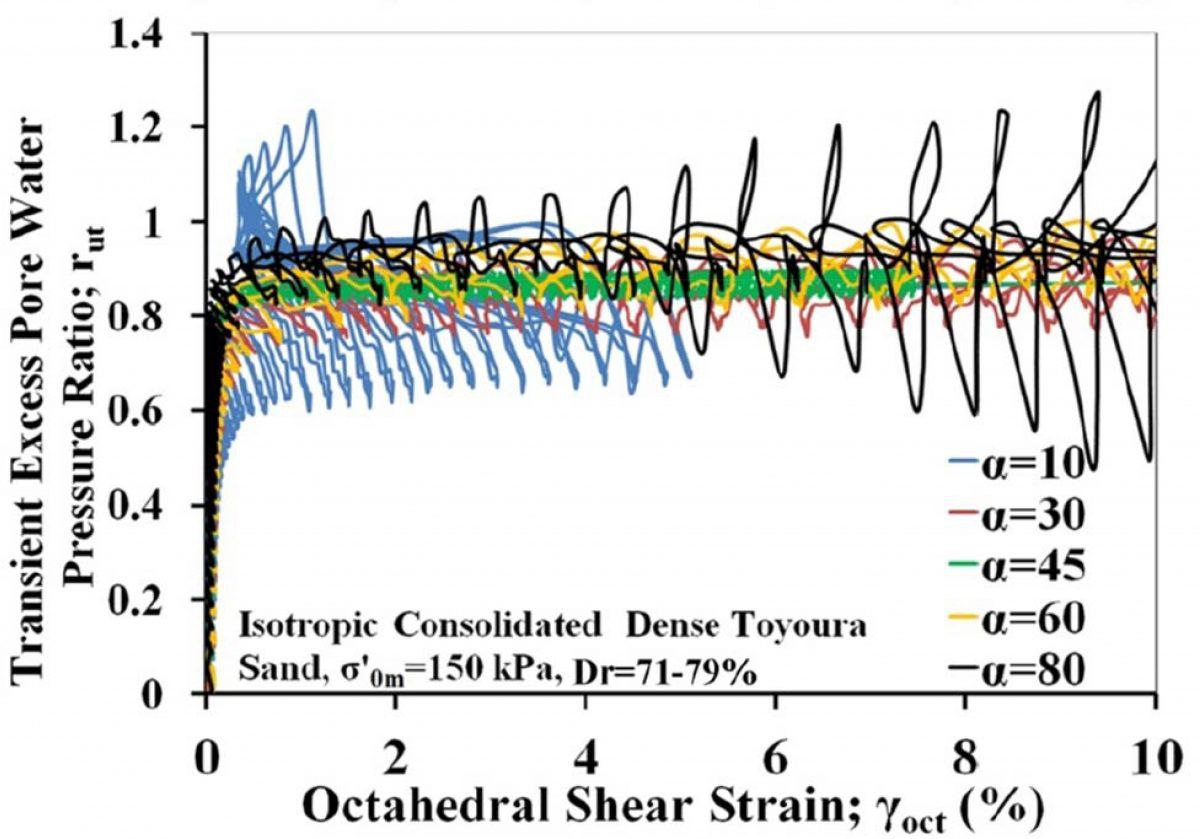
- Variation of transient pore water pressure ratio with octahedral shear strain (Jafarzadeh and Zamianian, 2014b)
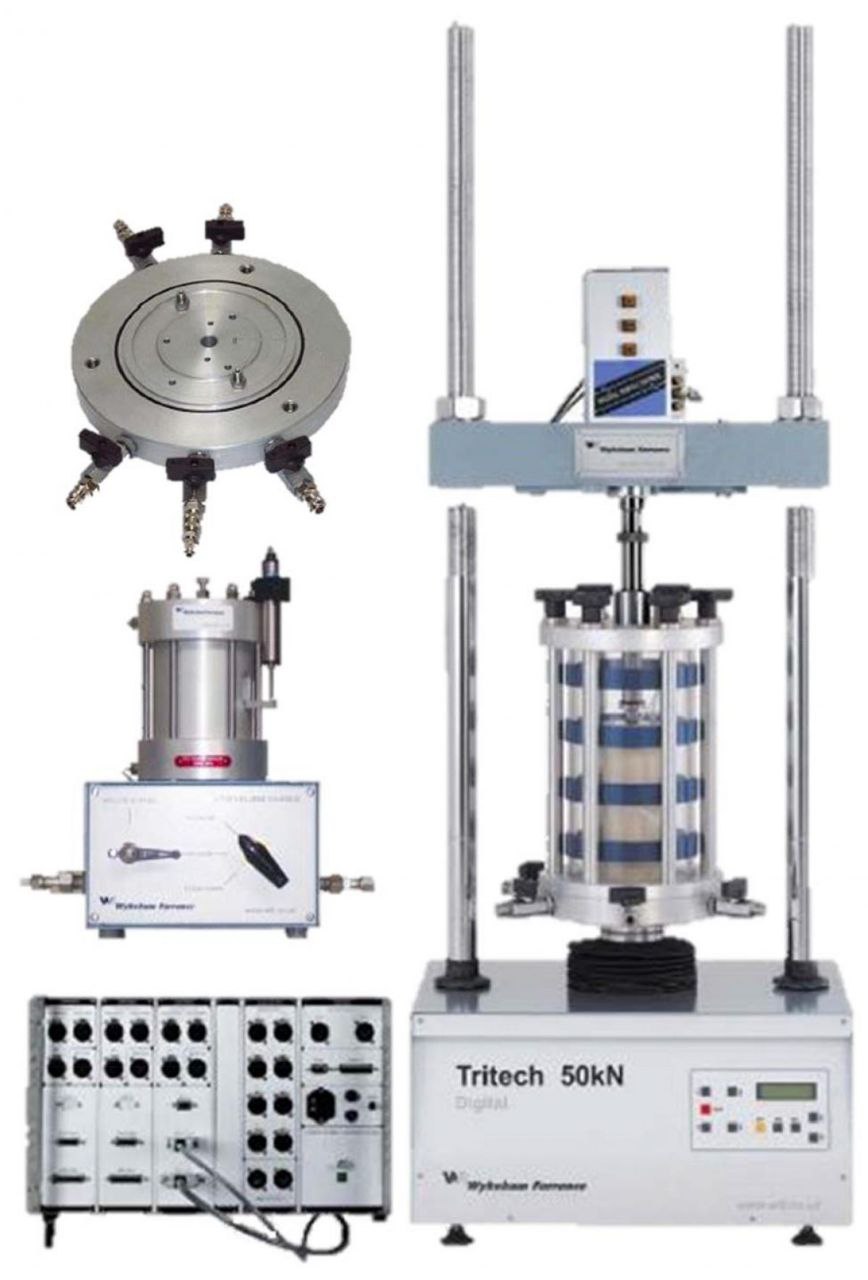
Cyclic Triaxial Apparatus
Cyclic Triaxial Apparatus
Main Features:
Applications:
Some Research Projects:
- Static shear mode under strain-control conditions
- Cyclic shear mode under strain-control conditions
- Shear deformation at a constant rate
- Isotropic and anisotropic consolidation
Applications:
- Evaluation of liquefaction resistance of saturated soil samples
- Evaluation of the shear modulus and damping ratio of saturated soils
- Evaluation of the effects of initial static stress on liquefaction resistance and dynamic properties of saturated soils
Some Research Projects:
- Modification of the apparatus by incorporating a flow pump to eliminate errors caused by membrane compliance (Haeri et al., 2016 and 2018)
- Measurement of soil skeleton volume changes during the consolidation process using image processing techniques (Haeri et al., 2018)
- Investigation of excess pore water pressure generation and the mechanical behavior of calcite-cemented sand (Haeri and Shakeri, 2010; Shakeri et al., 2018)
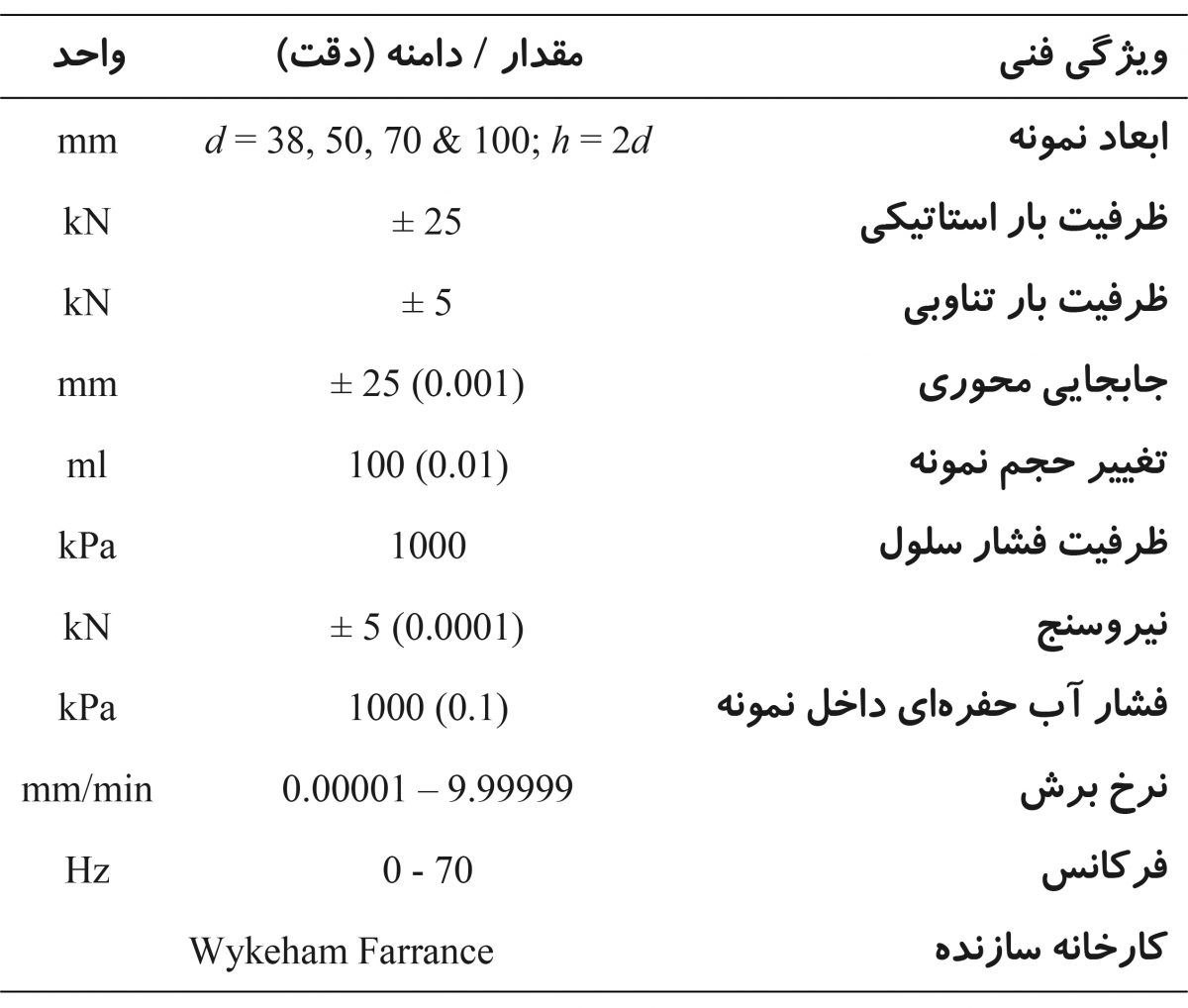
- Technical Specifications of the Cyclic Triaxial Apparatus
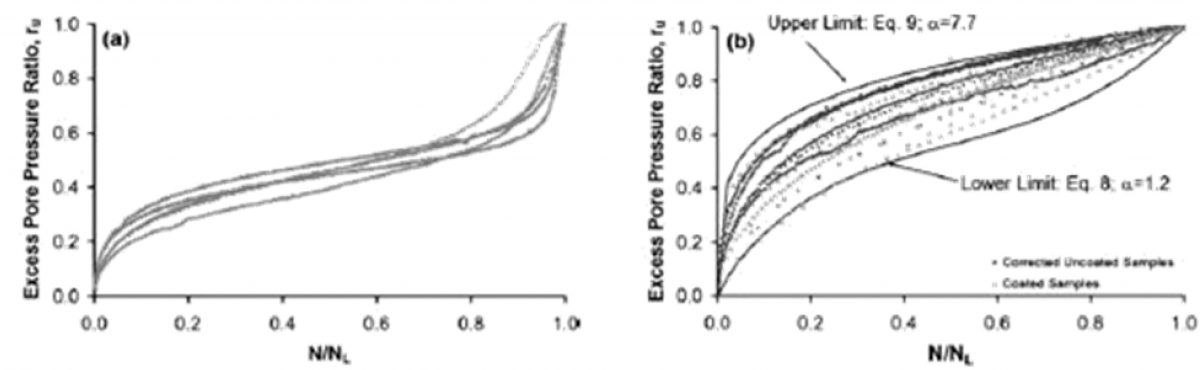
- Variation of the excess pore water pressure ratio versus normalized number of cycles for:
(a) uncemented coated specimens and
(b) cemented coated specimens modified against membrane penetration (Haeri and Shakeri, 2010)
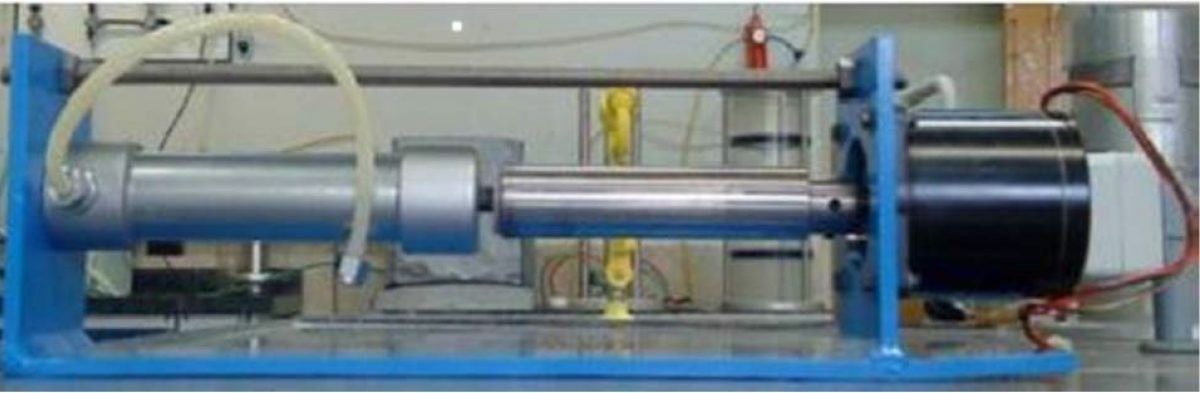
- Development of a triaxial apparatus by incorporating a flow pump to eliminate membrane penetration effects (Haeri et al., 2016)
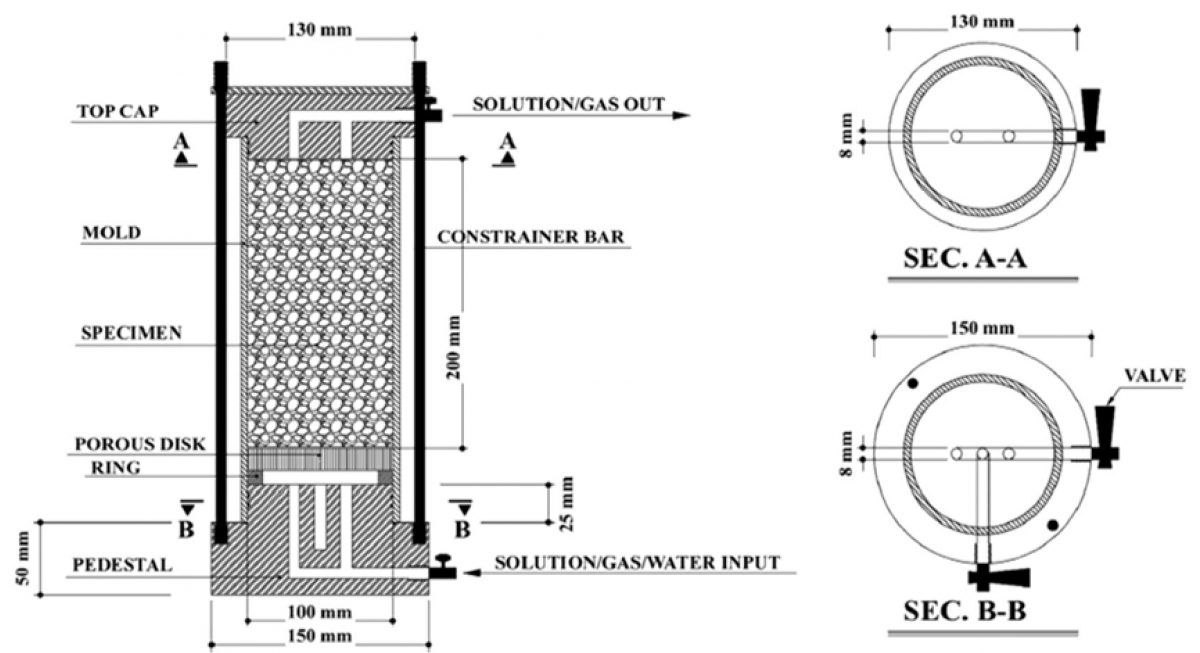
- Equipment for curing cemented triaxial specimens for static and cyclic tests (Shakeri et al., 2018)
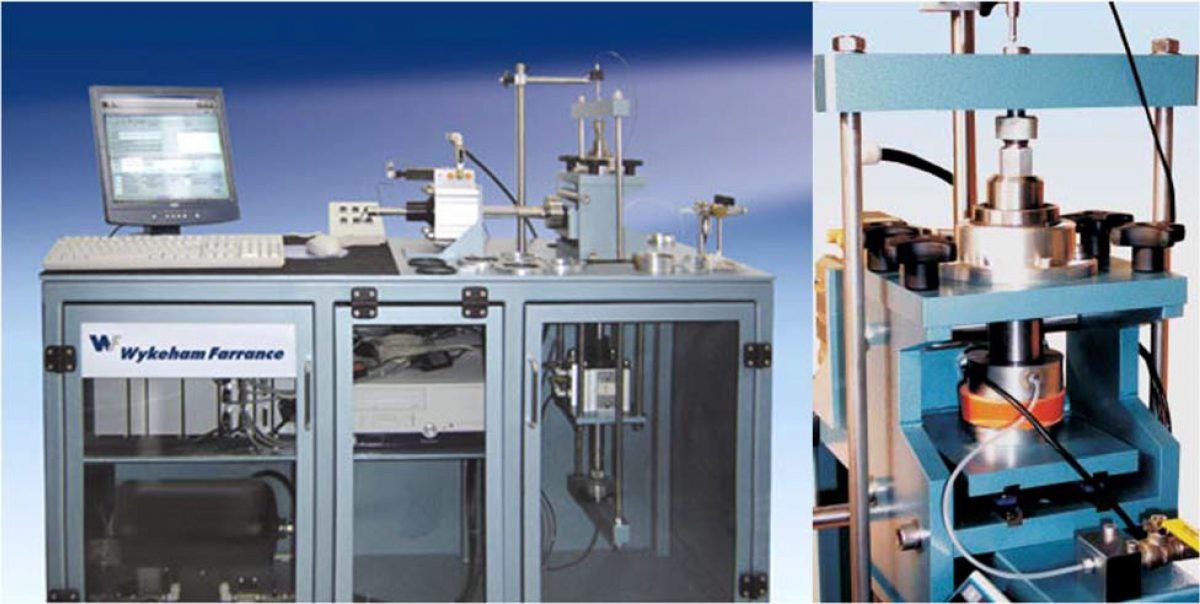
Unsaturated Cyclic Simple Shear Apparatus
Unsaturated Cyclic Simple Shear Apparatus
Main Features:
Applications:
Some Research Projects:
- Simulation of stress anisotropy conditions under the at-rest lateral earth pressure state
- Cyclic shear mode under both stress-control and strain-control conditions
- Shear deformation at a constant strain rate
- Capability to simulate dry, fully saturated, and unsaturated soil specimen conditions
- Capability of applying back pressure and controlling Skempton’s B parameter for specimen saturation
Applications:
- Evaluation of liquefaction potential under constant-load and constant-volume conditions
- Evaluation of the shear modulus and damping ratio of saturated and unsaturated soils
- Evaluation of the effects of initial static stress on liquefaction resistance and dynamic properties
Some Research Projects:
- Investigation of the effect of degree of saturation on the shear modulus and damping ratio of sand (Jafarzadeh and Sadeghi, 2009a; 2009b; 2012)
- Investigation of the effect of initial static shear stress on sand liquefaction (Haeri and Pouragha, 2010)
- Comparison of the dynamic properties of sand under constant-load and constant-volume conditions (Jafarzadeh and Sadeghi, 2010)
- Modification of the apparatus by incorporating axis-translation and hanging water column techniques to investigate the effects of suction on the dynamic properties of unsaturated soils (Jafarzadeh et al., 2013; 2014)
- Measurement of compression and shear wave velocities and elastic properties of unsaturated soils (Karimzadeh et al., 2016)
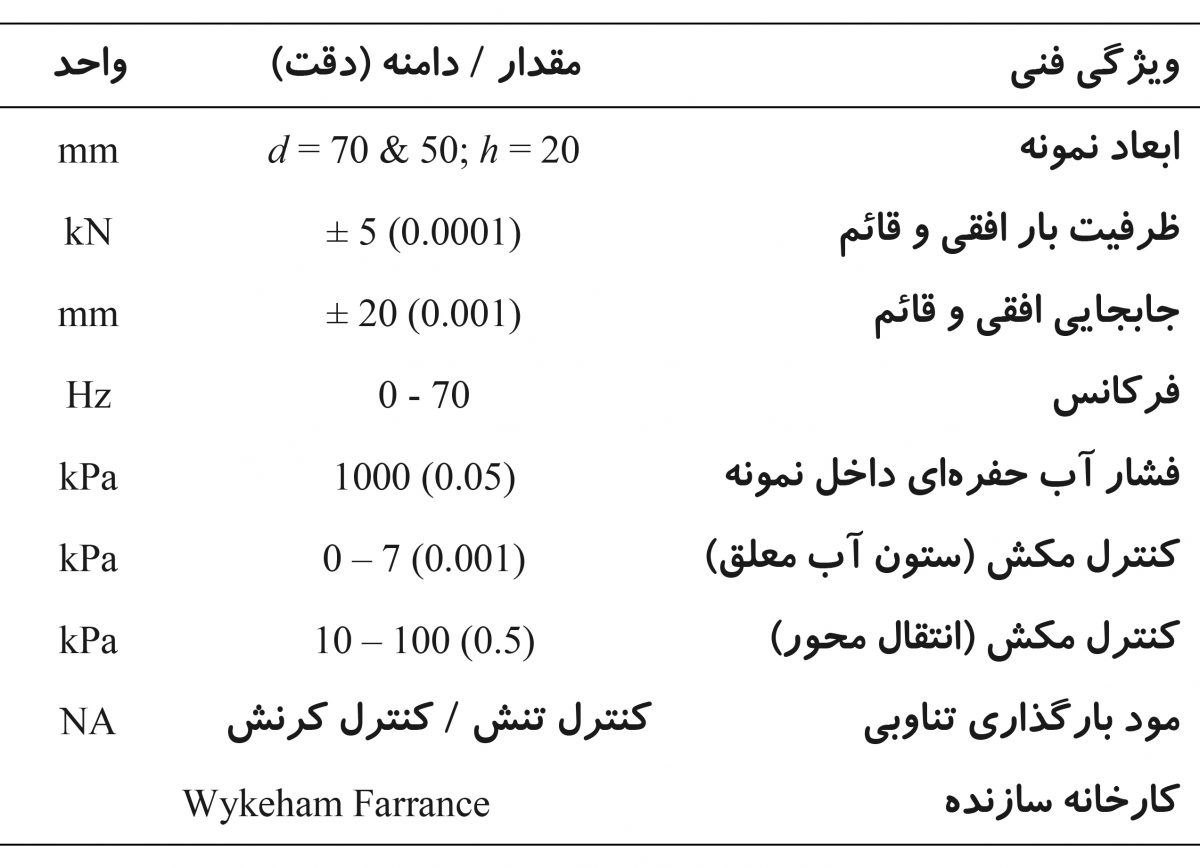
- Technical Specifications of the Unsaturated Cyclic Simple Shear Apparatus
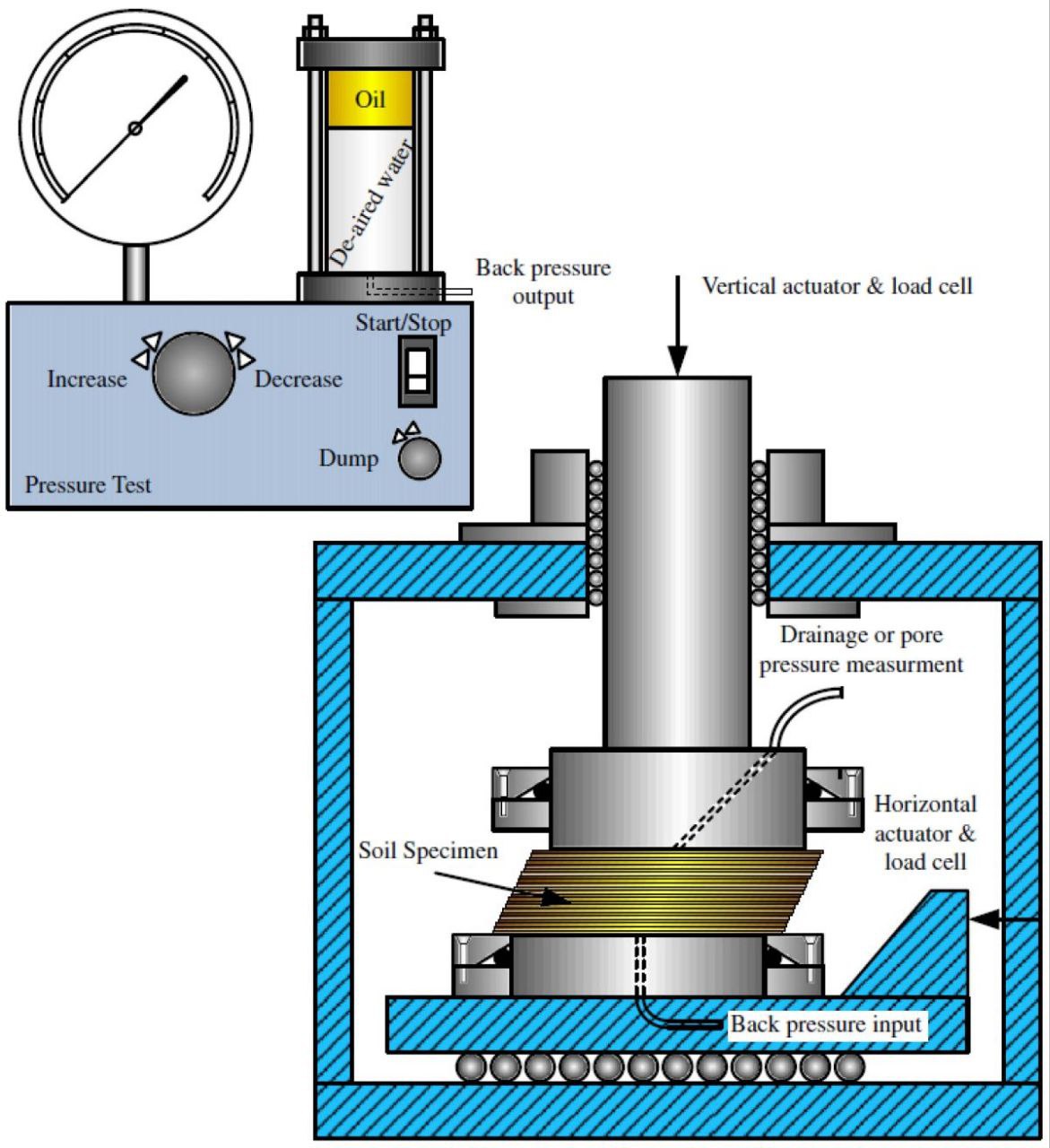
- Schematic development of a conventional cyclic simple shear apparatus for testing fully saturated specimens by incorporating a back-pressure-based saturation system (Jafarzadeh and Sadeghi, 2010)
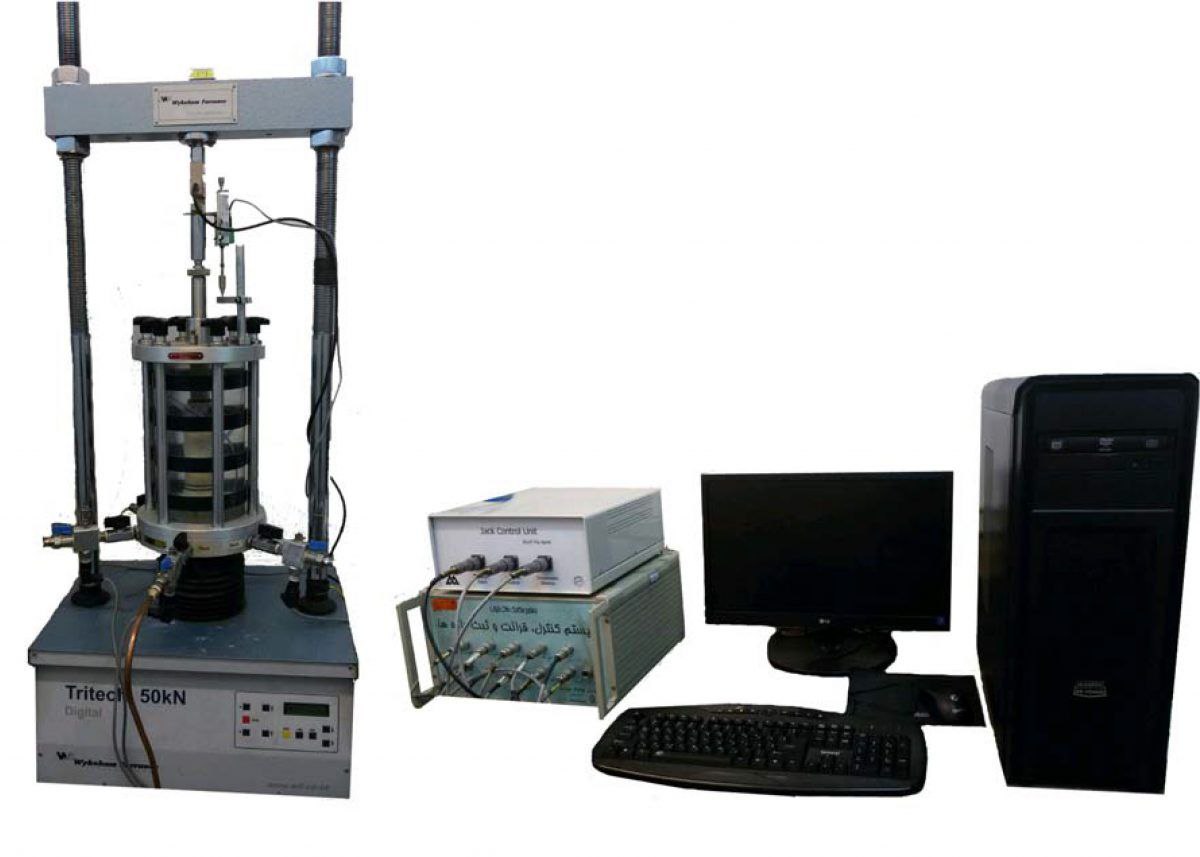
Fully Automated Unsaturated Triaxial Apparatus
Fully Automated Unsaturated Triaxial Apparatus
Main Features:
Applications:
Some Research Projects:
- Suction control using the axis translation technique
- Capability of conducting stress path controlled tests
- Application of shear loading under a constant stress ratio
- Application of shear loading at a constant strain rate
Applications:
- Evaluation of the hydromechanical behavior of saturated and unsaturated soils under different stress paths
- Evaluation of the strength properties of saturated and unsaturated soils
- Evaluation of soil–water retention characteristics under various mechanical loading and hydraulic conditions
Some Research Projects:
- Development of a triaxial apparatus using the axis translation technique for suction-controlled tests with automatic control and measurement of all stress components and volume changes (Akbari Gerkani, 2013)
- Development of an unsaturated triaxial apparatus for conducting stress-controlled and strain-controlled tests under anisotropic stress conditions (Soleimani, 2015)
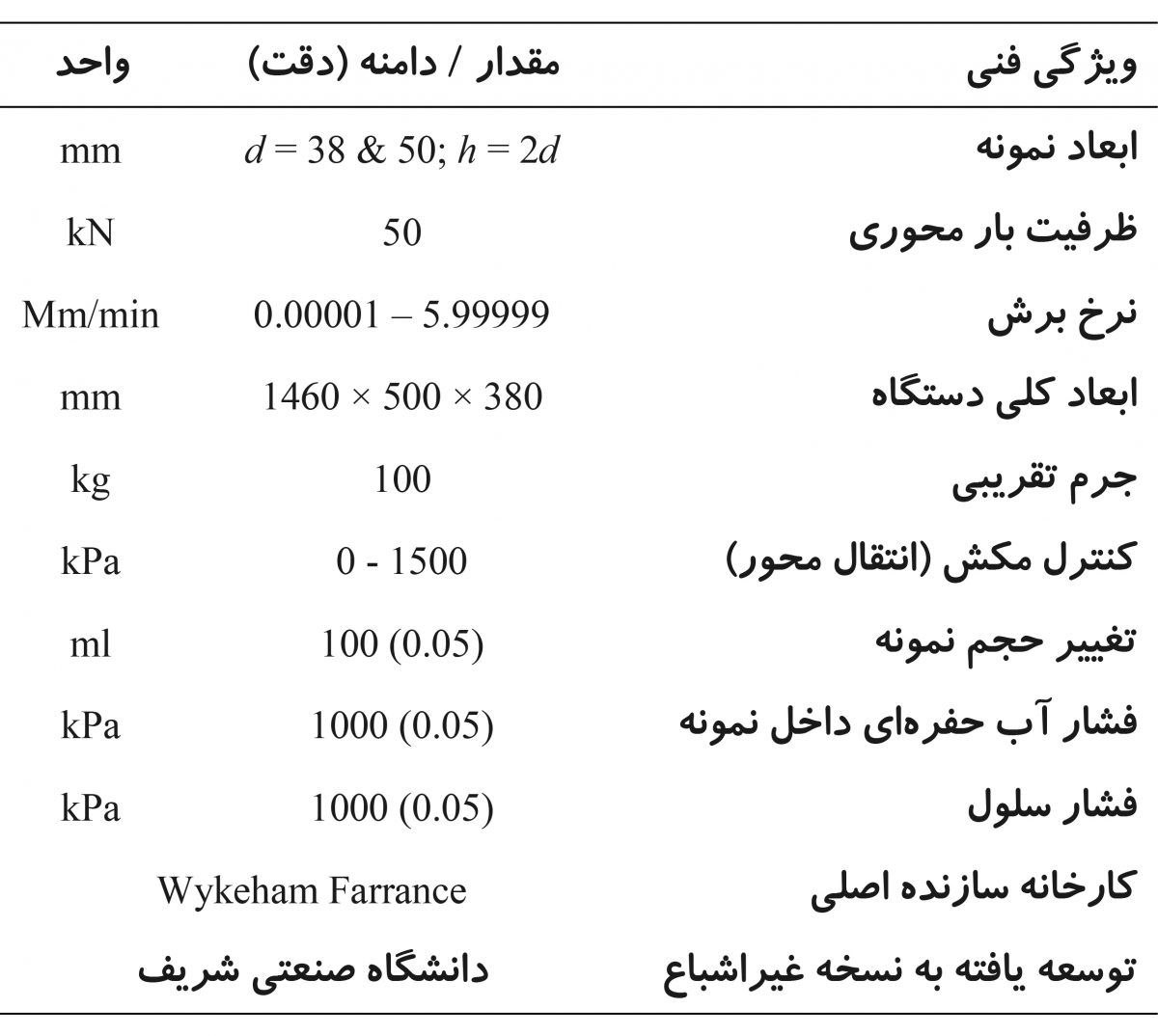
- Technical Specifications of the Fully Automated Unsaturated Triaxial Apparatus
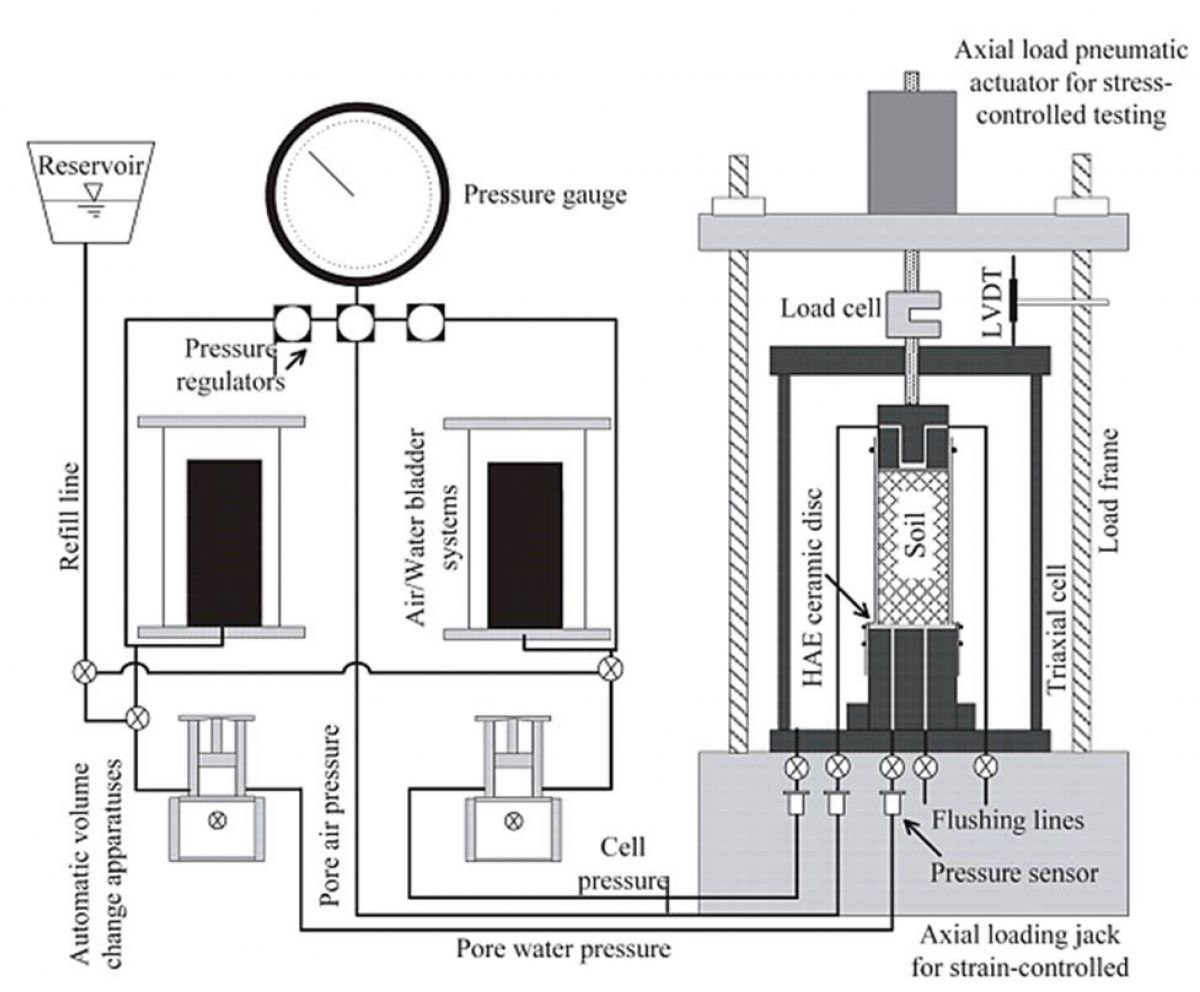
- Schematic layout of the fully automated unsaturated triaxial apparatus (Soleimani, 2015)
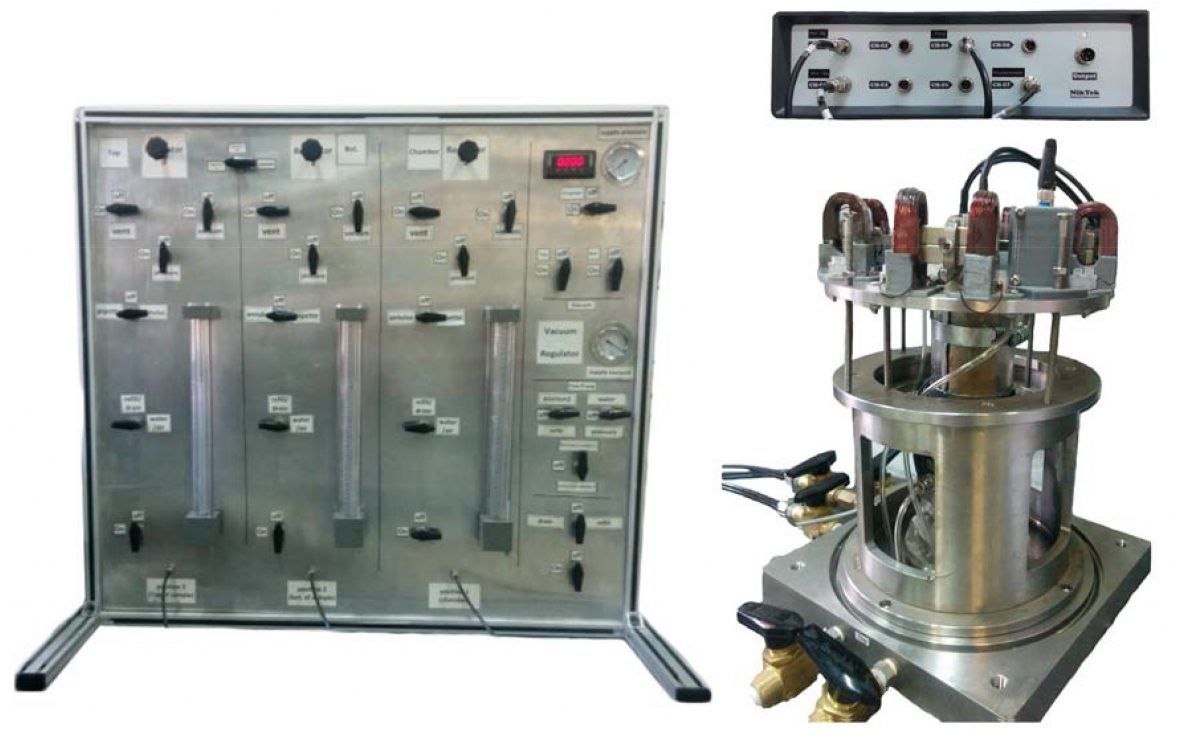
Unsaturated Torsional Resonant Column Apparatus
Unsaturated Torsional Resonant Column Apparatus
Main Features:
Applications:
- Suction control using the axis translation technique
- Capability of conducting resonant column tests
- Capability of conducting torsional shear tests
- Capability of performing damping tests
Applications:
- Evaluation of the maximum shear modulus and minimum damping ratio
- Evaluation of the degradation curves of shear modulus and damping ratio with shear strain
- Capability of conducting saturated and unsaturated tests under different hydromechanical conditions
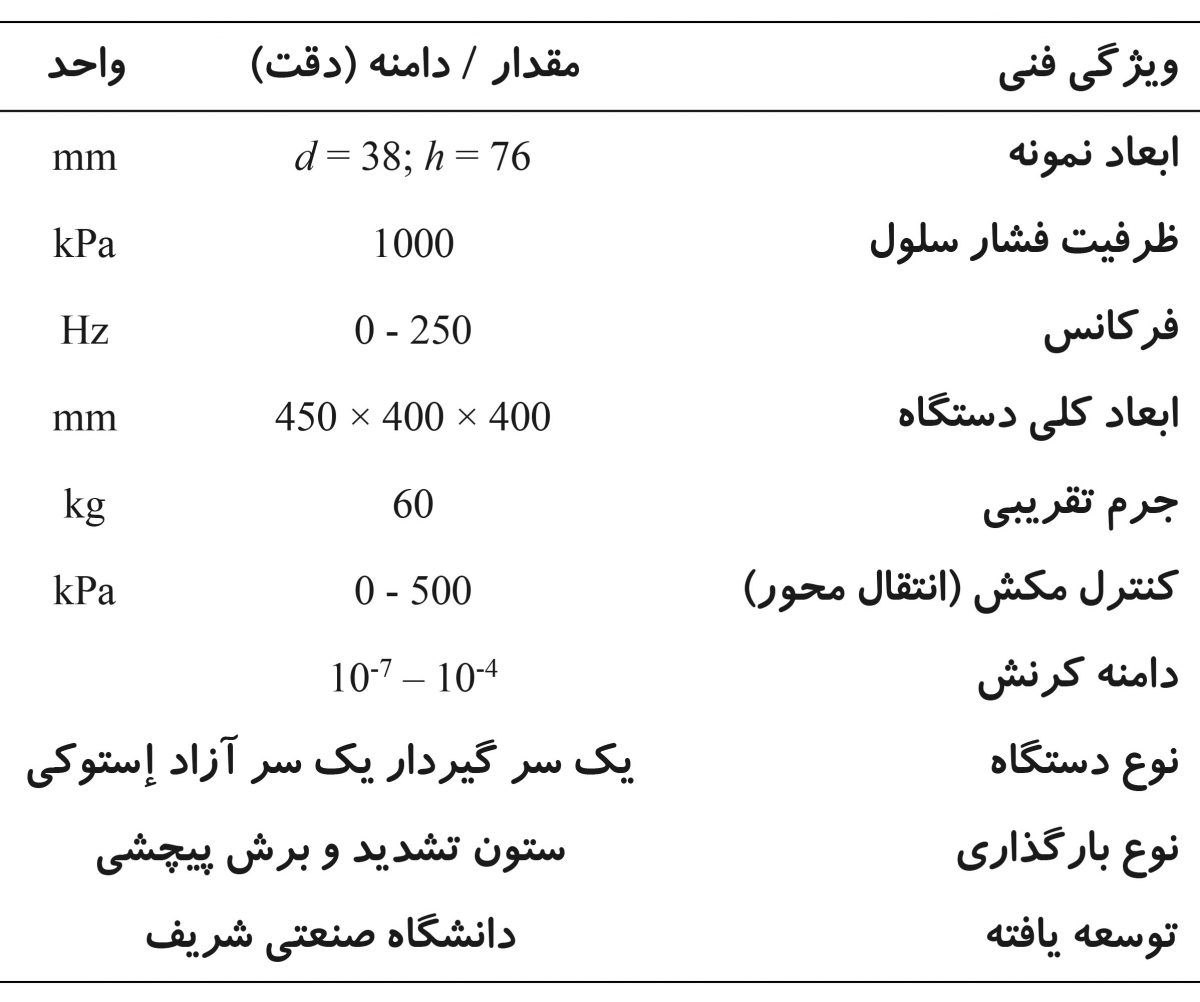
- Technical Specifications of the Unsaturated Torsional Resonant Column Apparatus
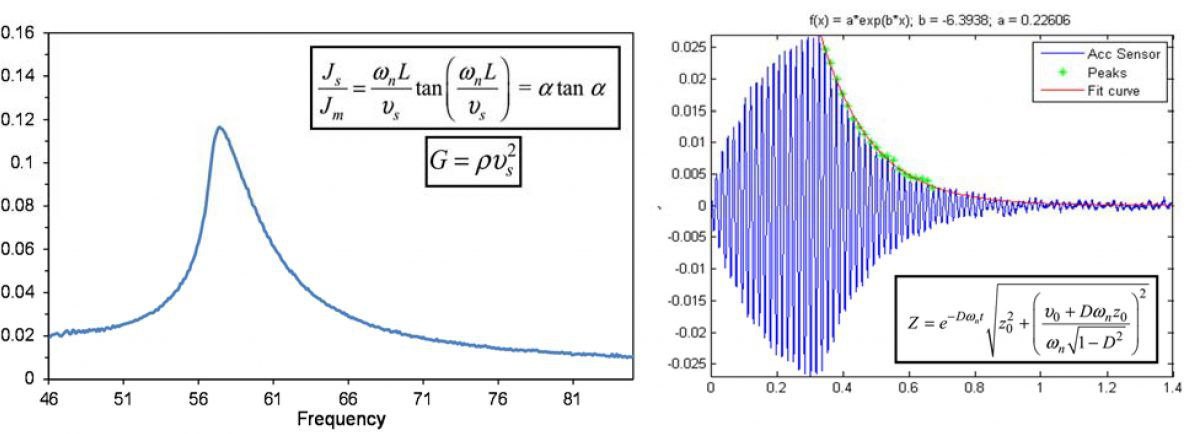
- Measurement of:
(a) maximum shear modulus from the resonant column test, and
(b) damping ratio using the free-decay vibration method
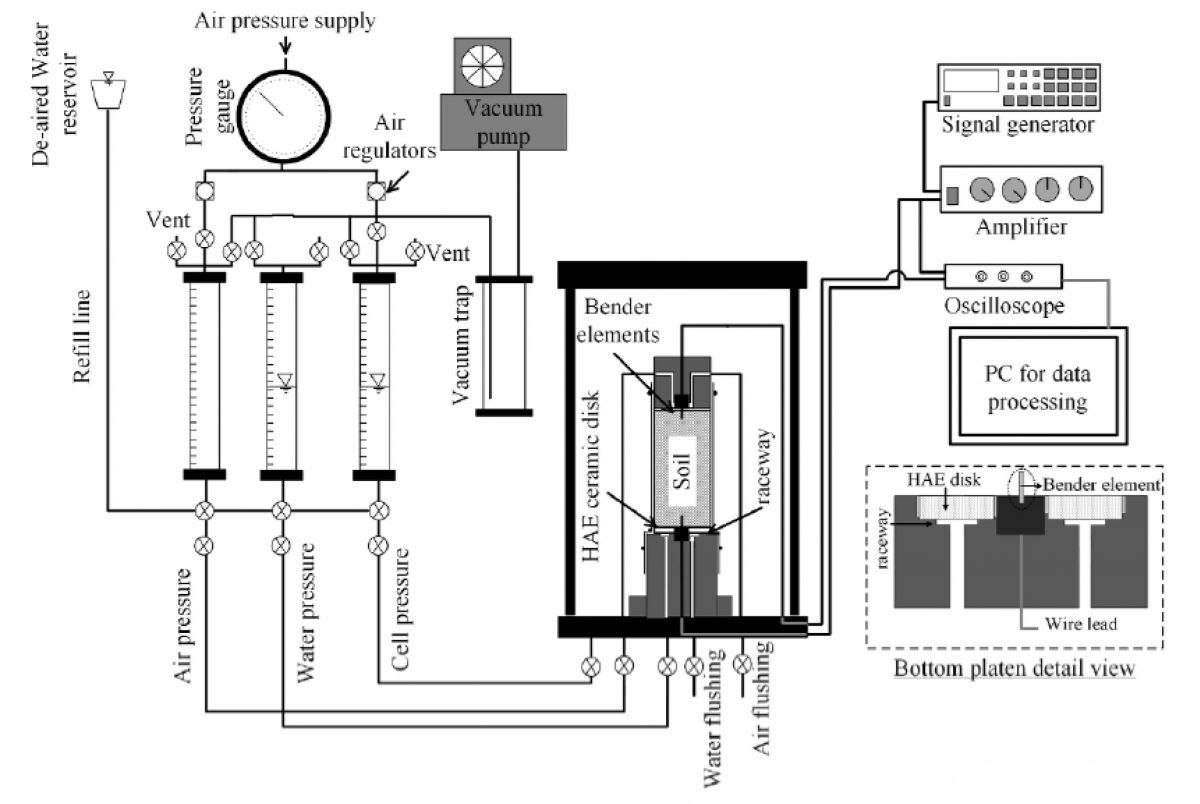
Bending Element in an Unsaturated Isotropic
Triaxial Cell
Bending Element in an Unsaturated Isotropic
Triaxial Cell
Main Features:
Applications:
Some Research Projects:
- Suction control using the axis translation technique
- Volume change measurement using a burette and image processing techniques
- Capability of applying high net mean stress
Applications:
- Evaluation of shear wave velocity and small-strain shear modulus
- Evaluation of wave propagation characteristics of unsaturated soil deposits and their geophysical characterization
- Capability of conducting saturated and unsaturated tests
Some Research Projects:
- Experimental investigation of the effects of plastic compression and stress history on the small-strain shear modulus of unsaturated soils (Khosravi et al., 2017)
- Evaluation of changes in pre-consolidation stress with suction and its effect on the small-strain shear modulus of unsaturated silt (Khosravi et al., 2016a)
- Comparison of the small-strain shear modulus behavior of silt and sand specimens during wetting–drying hysteresis (Khosravi et al., 2016b)
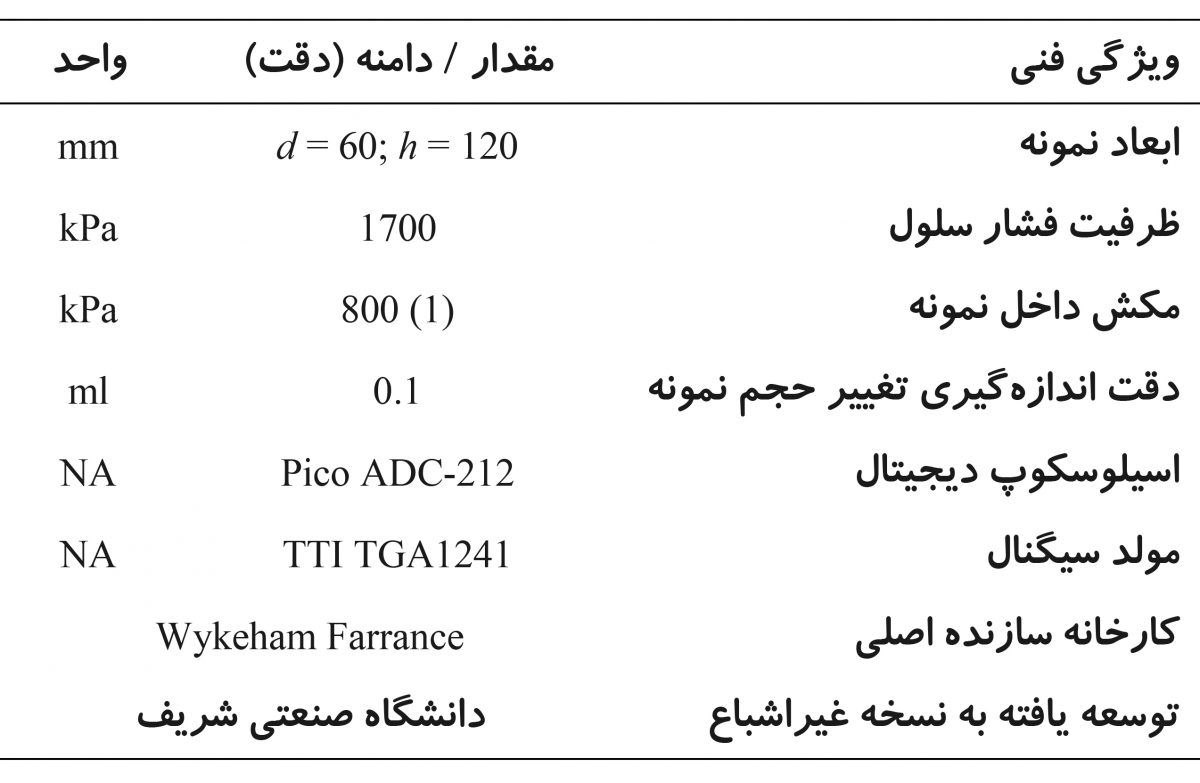
- Technical Specifications of the Bending Element in the Unsaturated Isotropic Triaxial Cell
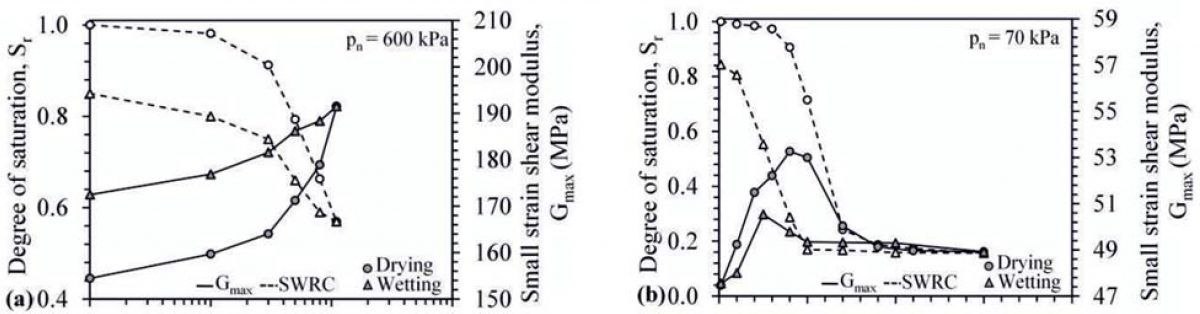
- Variation of degree of saturation and maximum shear modulus with suction for: (a) silt specimens under a net mean stress of 600 kPa, and (b) silica sand specimens under a net mean stress of 70 kPa (Khosravi et al., 2016b)
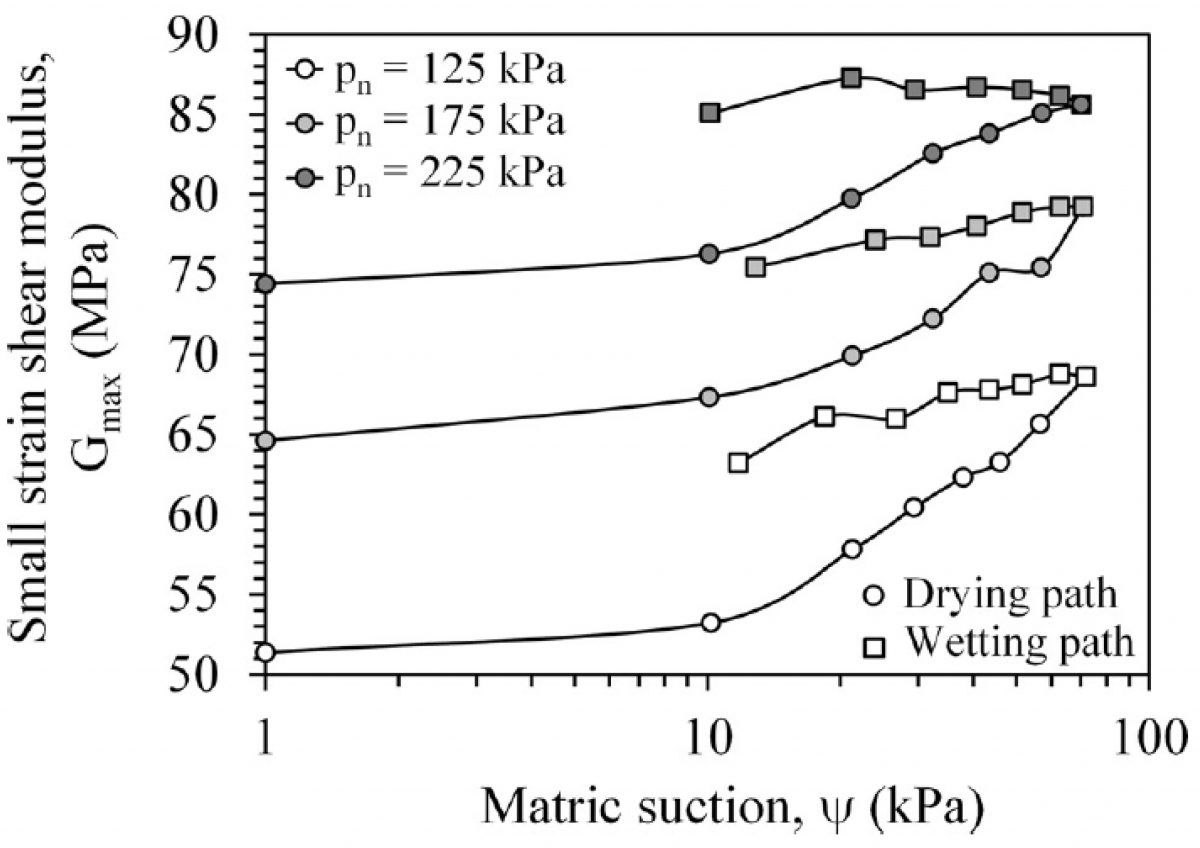
- Hardening behavior of a dense silt specimen under different net mean stress levels during the water hysteresis phenomenon (Khosravi et al., 2016a)
Last Update: