Laboratory Equipment

Some of the most important laboratory equipment in the Environmental Laboratory are:
Responsive Image

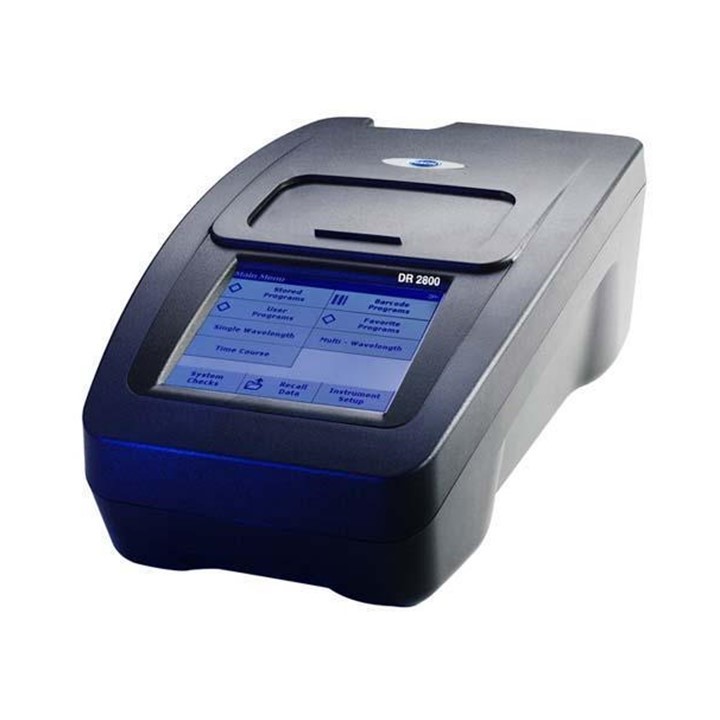
Spectrophotometer
​​​​​​​

This device measures the interaction between a substance and electromagnetic waves. The lamp used covers the visible light range, approximately from 300 to 900 nanometers, and can be fixed at any value within this range.

​​​​​​​
Responsive Image

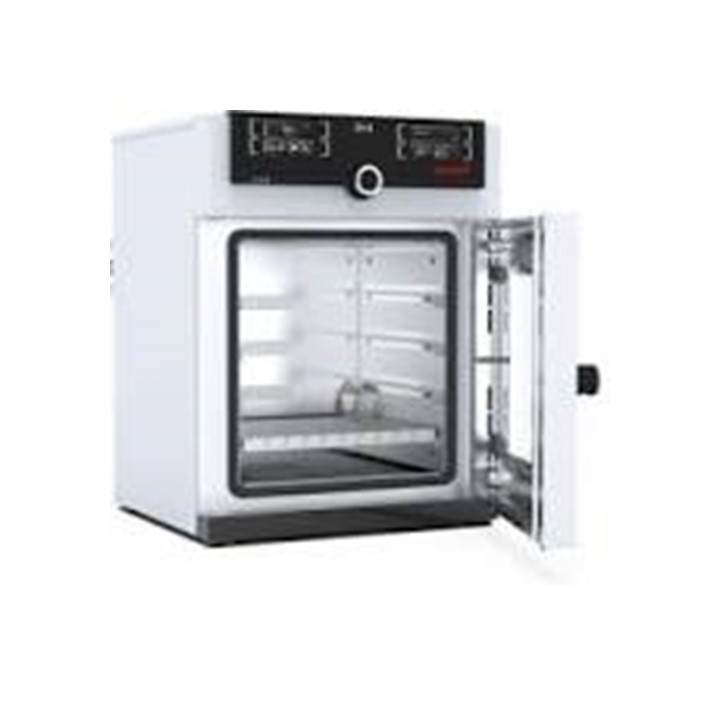
Oven
​​​​​​​

An oven is essentially a hot-air furnace used for drying laboratory equipment and medical instruments. It can also be used for sterilization through dry heat. Although bacteria are destroyed at high dry-heat temperatures, some spores may only become inactive under these conditions and could potentially survive.
Responsive Image

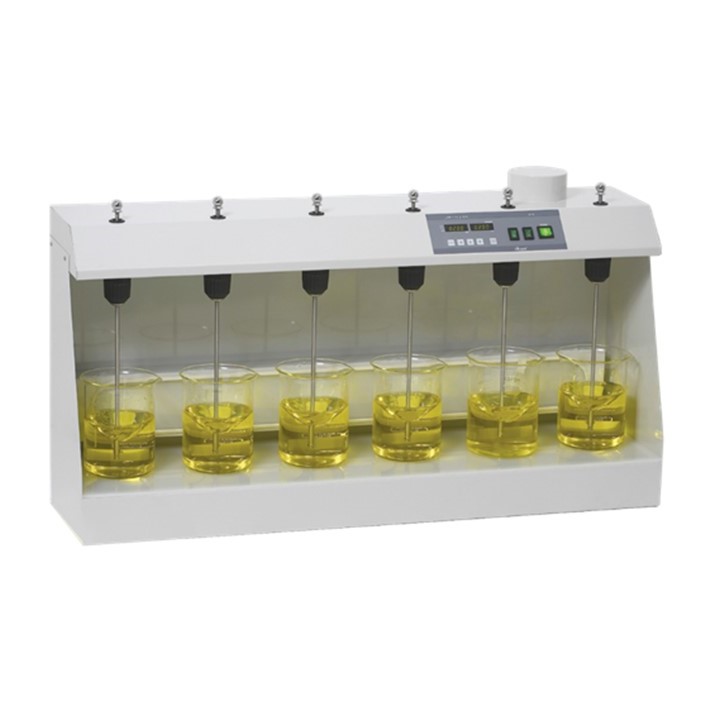
Jar Test
​​​​​​​

The jar test device is used to determine the appropriate amount of primary coagulant, the suitable amount of secondary coagulant, and the optimal pH for coagulation of water. In fact, the jar test is used to evaluate coagulation in solutions where the concentration of suspended solids is less than 5 grams per liter.​​​​​​​
Responsive Image

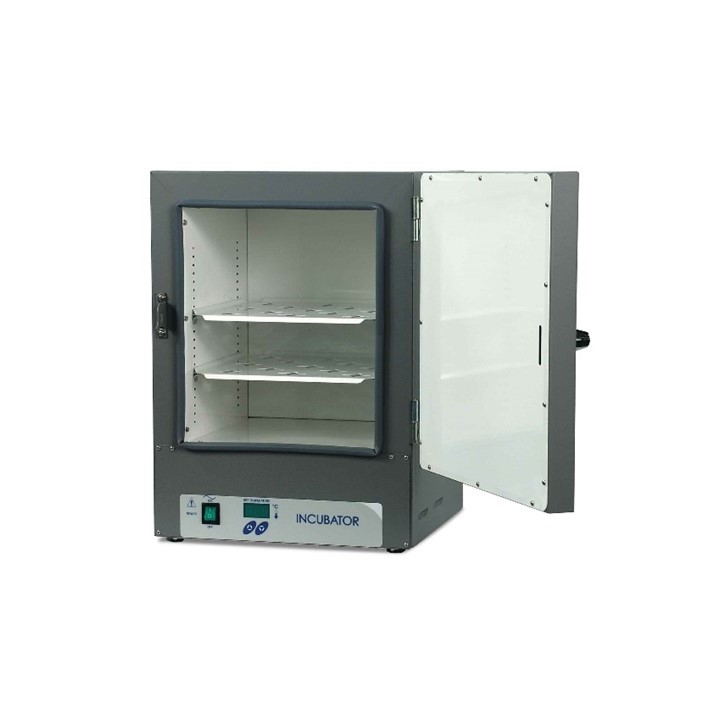
Incubator
​​​​​​​

Laboratory incubators provide a controlled, contamination-free environment by regulating conditions such as temperature, humidity, and CO₂, ensuring safe and reliable work with cell and tissue cultures. Microbiological incubators are specifically used for the growth and maintenance of bacterial cultures.
​​​​​​​
​​​​​​​
Responsive Image

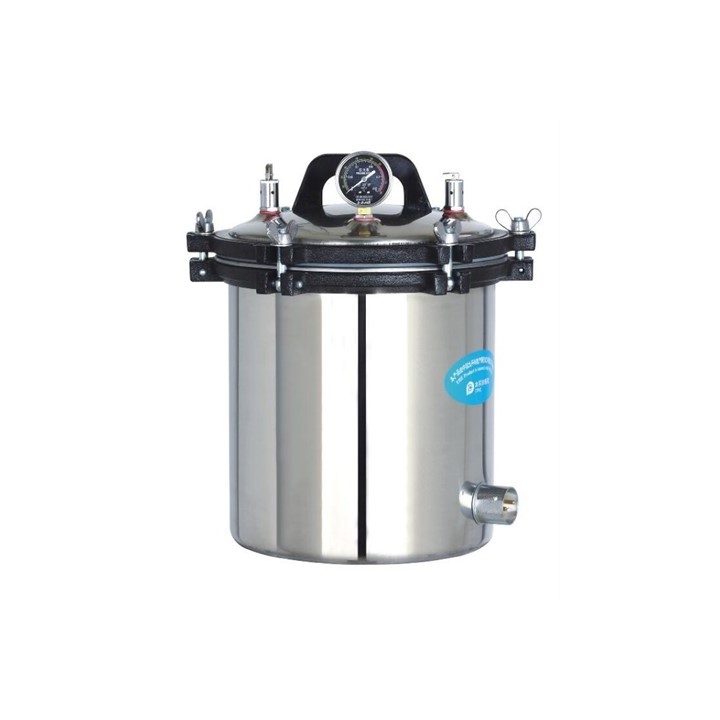
Autoclave
​​​​​​​

An autoclave is a device that uses pressurized steam to eliminate bacteria, viruses, fungi, and harmful spores on items placed inside its pressure chamber. The items are heated for a specific period to the appropriate sterilization temperature. The moisture in the steam effectively transfers heat to the items, destroying the protein structures of bacteria and spores.
Responsive Image

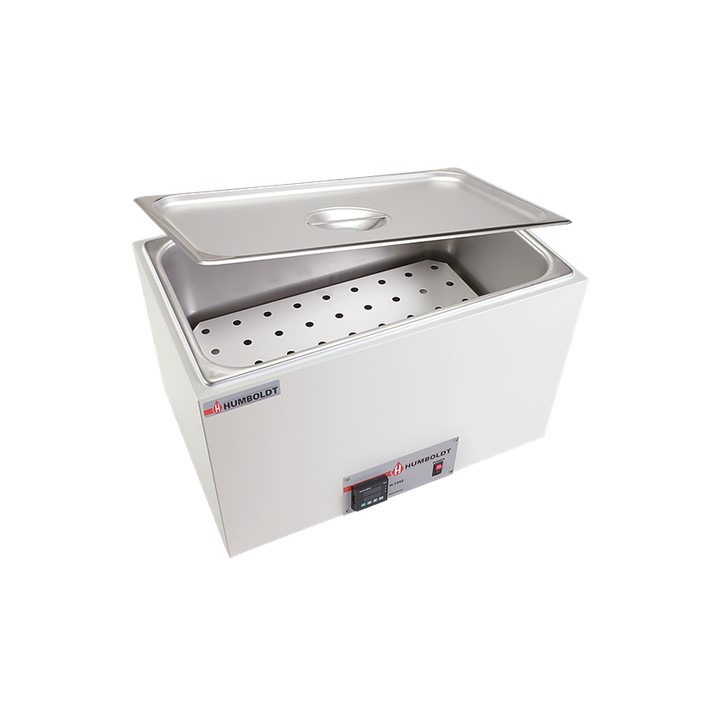
Bain Marie
​​​​​​​

This device is used for incubating samples in water at a constant temperature for extended periods. It is also used to activate specific chemical reactions at high temperatures. Water baths are preferred heat sources for heating flammable chemicals because the absence of an open flame reduces the risk of ignition.

​​​​​​​
Responsive Image

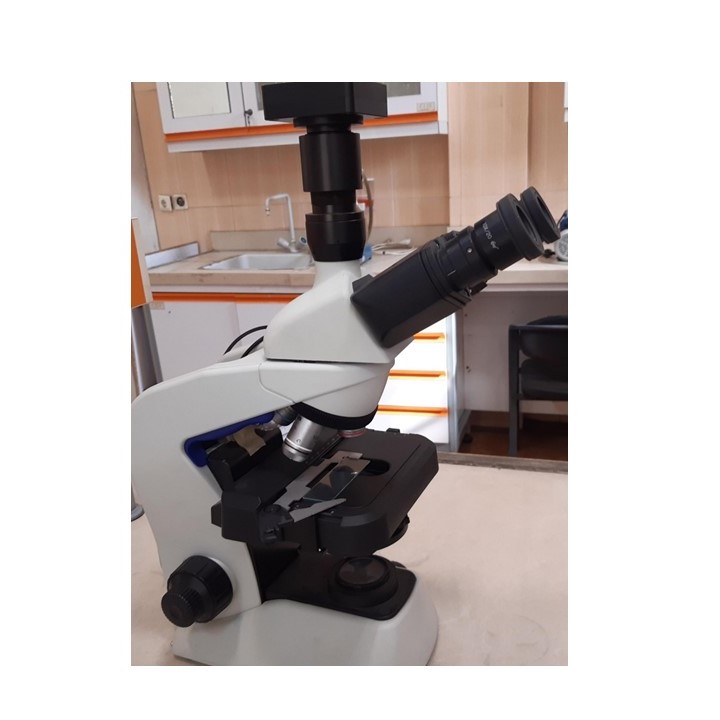
Microspcope
​​​​​​​

​​​​​​
​​​​​​​