Laboratory Equipment

Some of the most important laboratory equipment of the Advanced Hydraulics Laboratory at the Faculty of Civil Engineering include:
Responsive Image

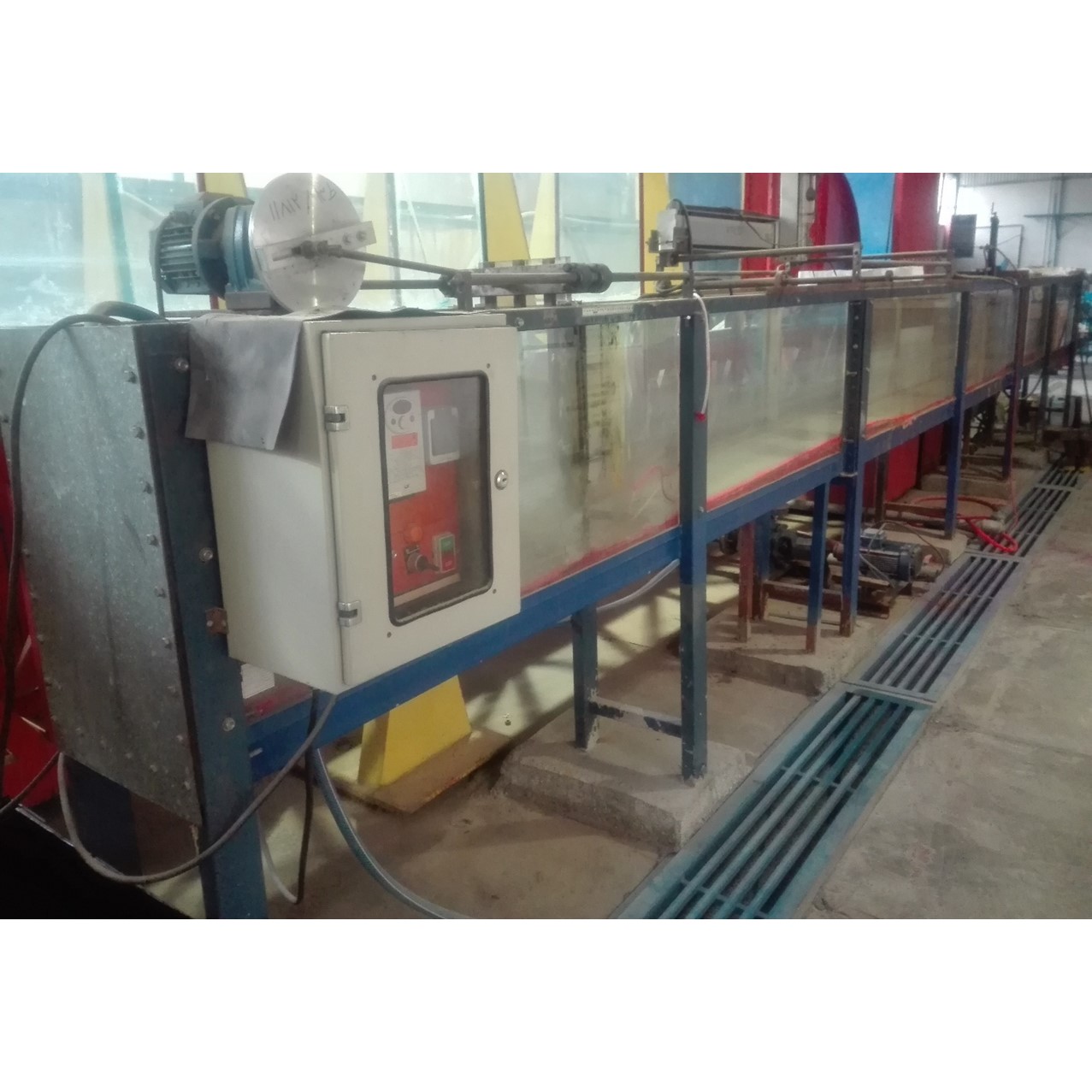
Wave-Making Channel
​​​​​​​

This device is designed for modeling internal waves in stratified aquatic environments. By adjusting the wave period, both regular waves and various types of internal waves can be generated. It allows for video recording and measurement of wave characteristics, including height and dynamic features. The channel dimensions are 0.3 × 0.6 × 9 meters, and it is used in studies such as the investigation of waves in lagoons and stratified seas.

​​​​​​​
Responsive Image

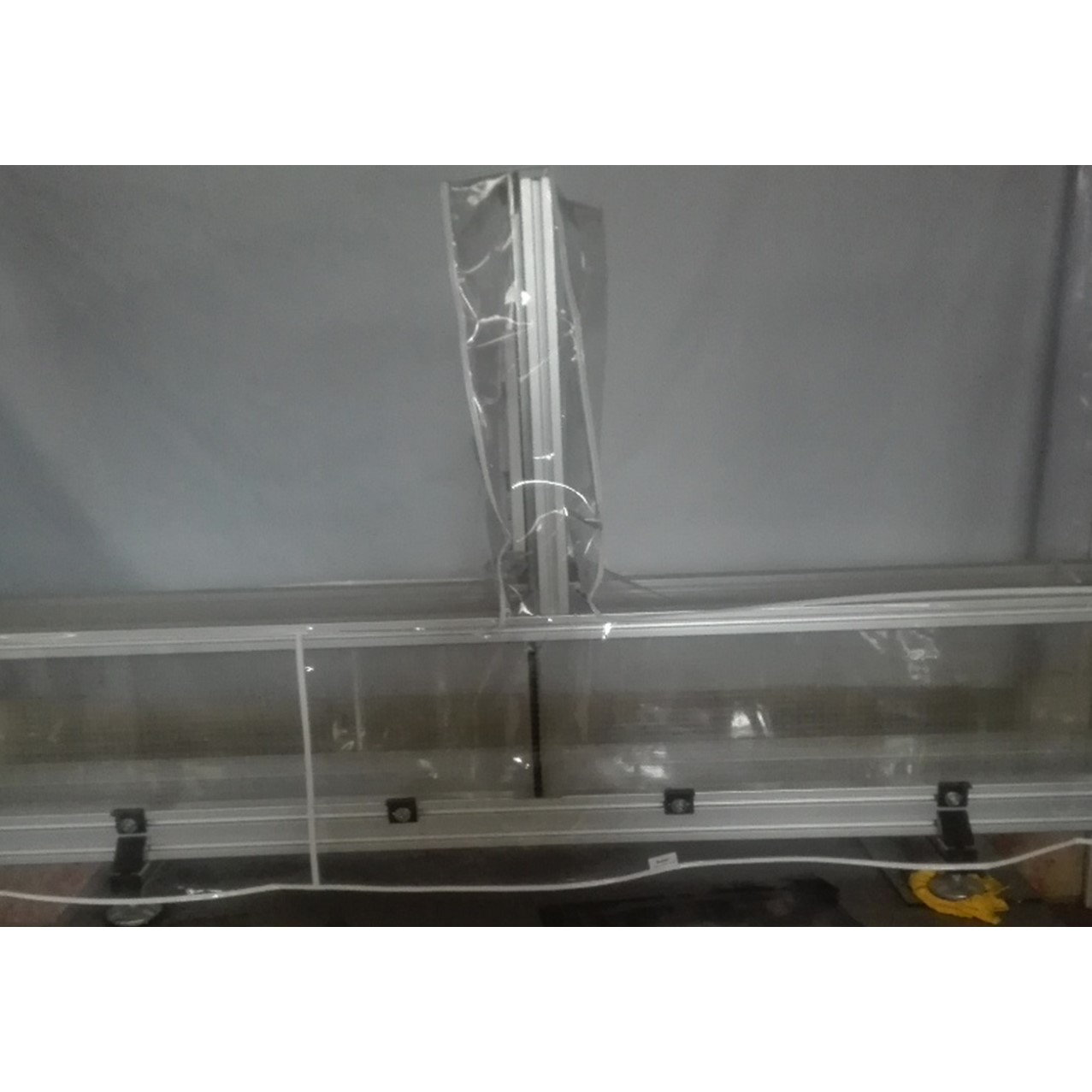
Exchange Flow Channel and Flume​​​​​​​

This setup includes a channel, a flume, and a dark room, and is used to study flows caused by density differences in aquatic environments, particularly in areas with aquatic vegetation. The system allows for modeling horizontal and vertical flows resulting from changes in temperature, salinity, or other factors. The channel dimensions are 0.3 × 0.2 × 1.2 meters, the flume dimensions are 0.3 × 1.2 × 1.5 meters, and the dark room measures 2 × 2 × 3 meters. This equipment is used to investigate pollutant dispersion under different flow conditions.​​​​​​​

Responsive Image

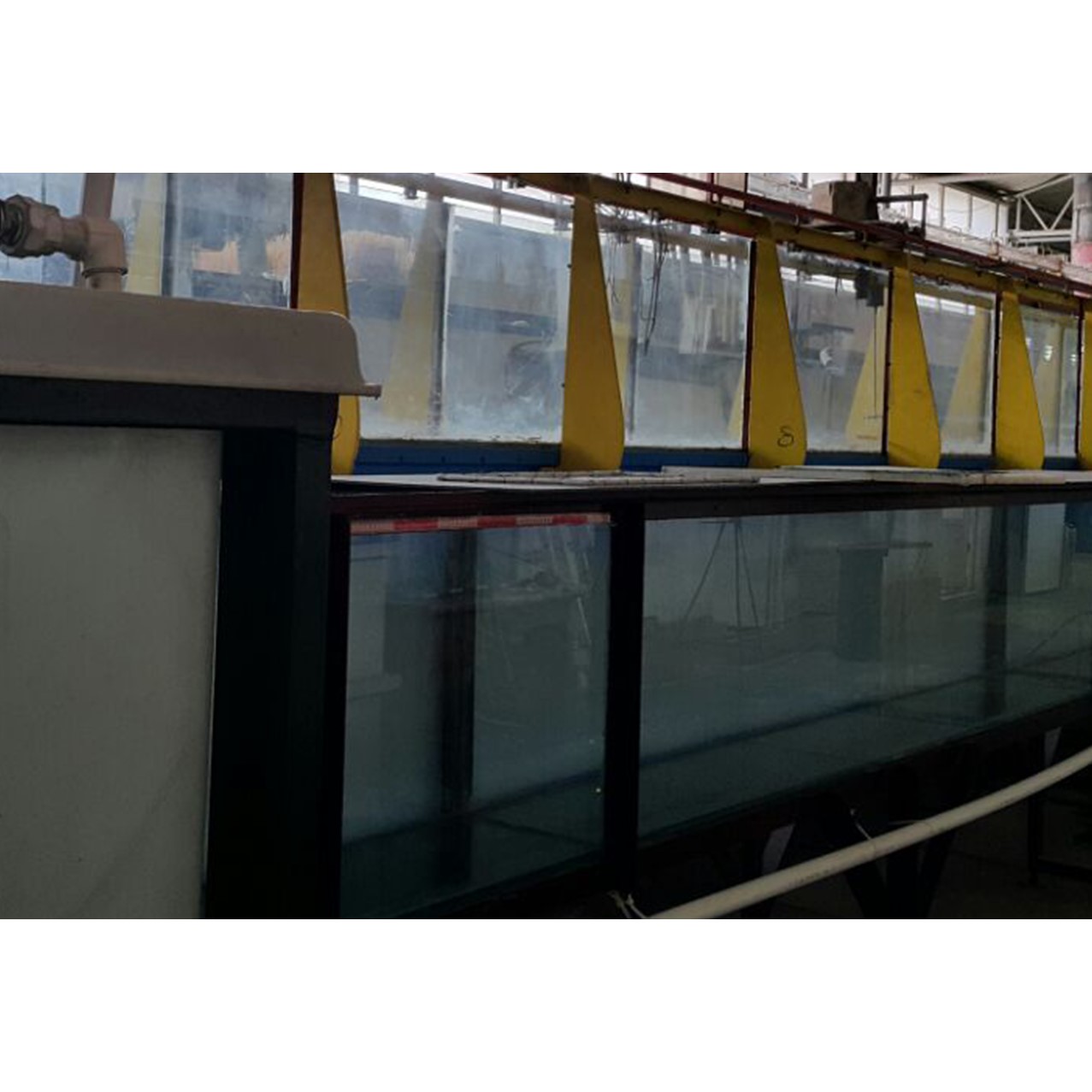
Selective Withdrawal Channel​​​​​​​

This device is used to study how water is withdrawn from different levels of dam reservoirs. The selective withdrawal phenomenon is very important for managing water quality in reservoirs. The channel dimensions are 0.3 × 0.6 × 6 meters, allowing for the simulation and study of this process under controlled conditions​​​​​.


​​​​​​​​​​​

​​​​​​​

Responsive Image

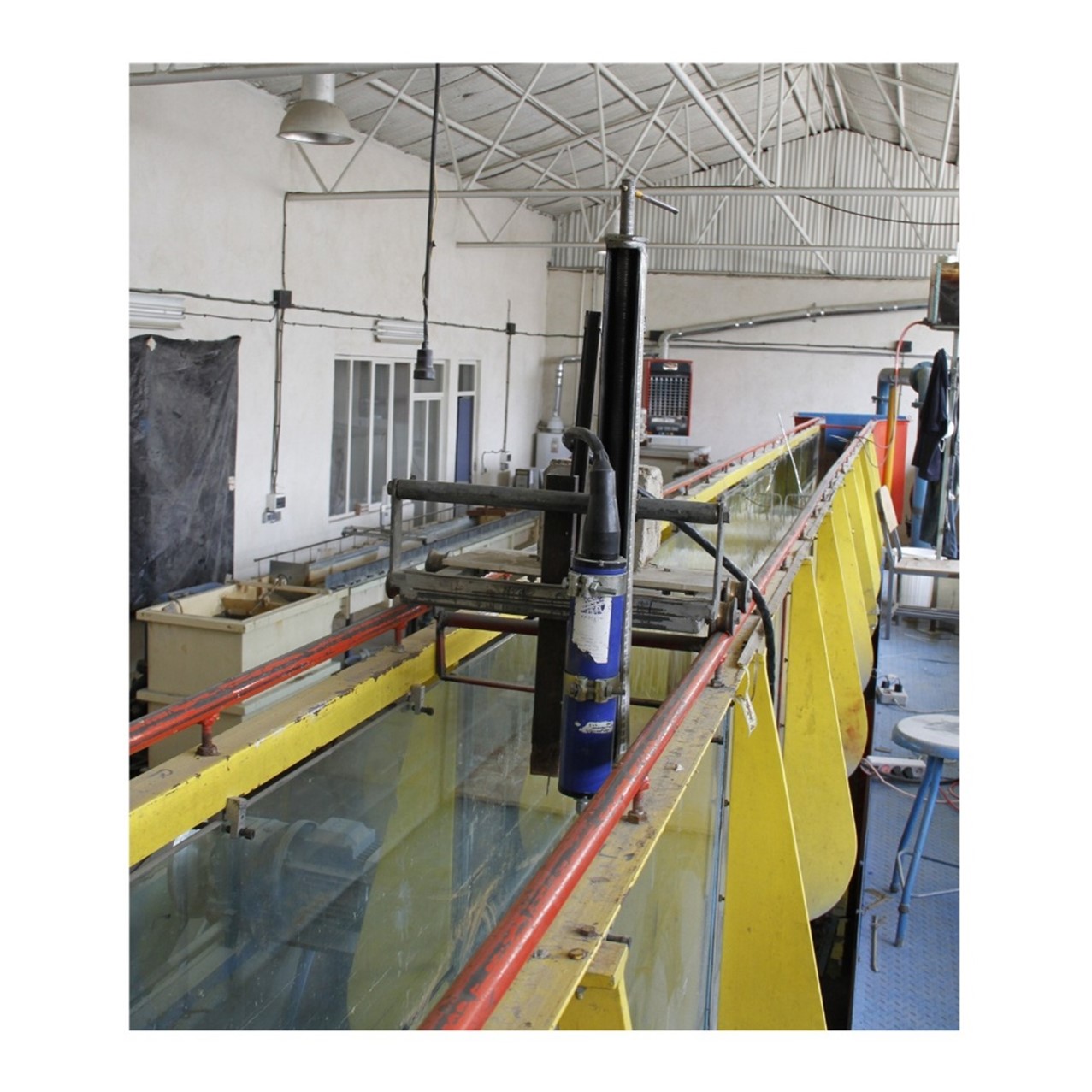
Adjustable-Slope Flow Channel
​​​​​​​

This is a long flume with an adjustable slope, designed to study various flow phenomena and pollutant dispersion in aquatic environments. One of these flumes has a length of up to 30 meters. The channel is equipped with an ADV (Acoustic Doppler Velocimeter) for precise measurement of flow velocity profiles. Its dimensions are 0.4 × 0.65 × 13 meters, and it is used to determine pollutant dispersion coefficients and to study different flow regimes.​​​​​​​
​​​​​​​​​​​​​​
Responsive Image

Flow Channel with Masonry and Sediment Transport Channel

This section includes two separate setups:

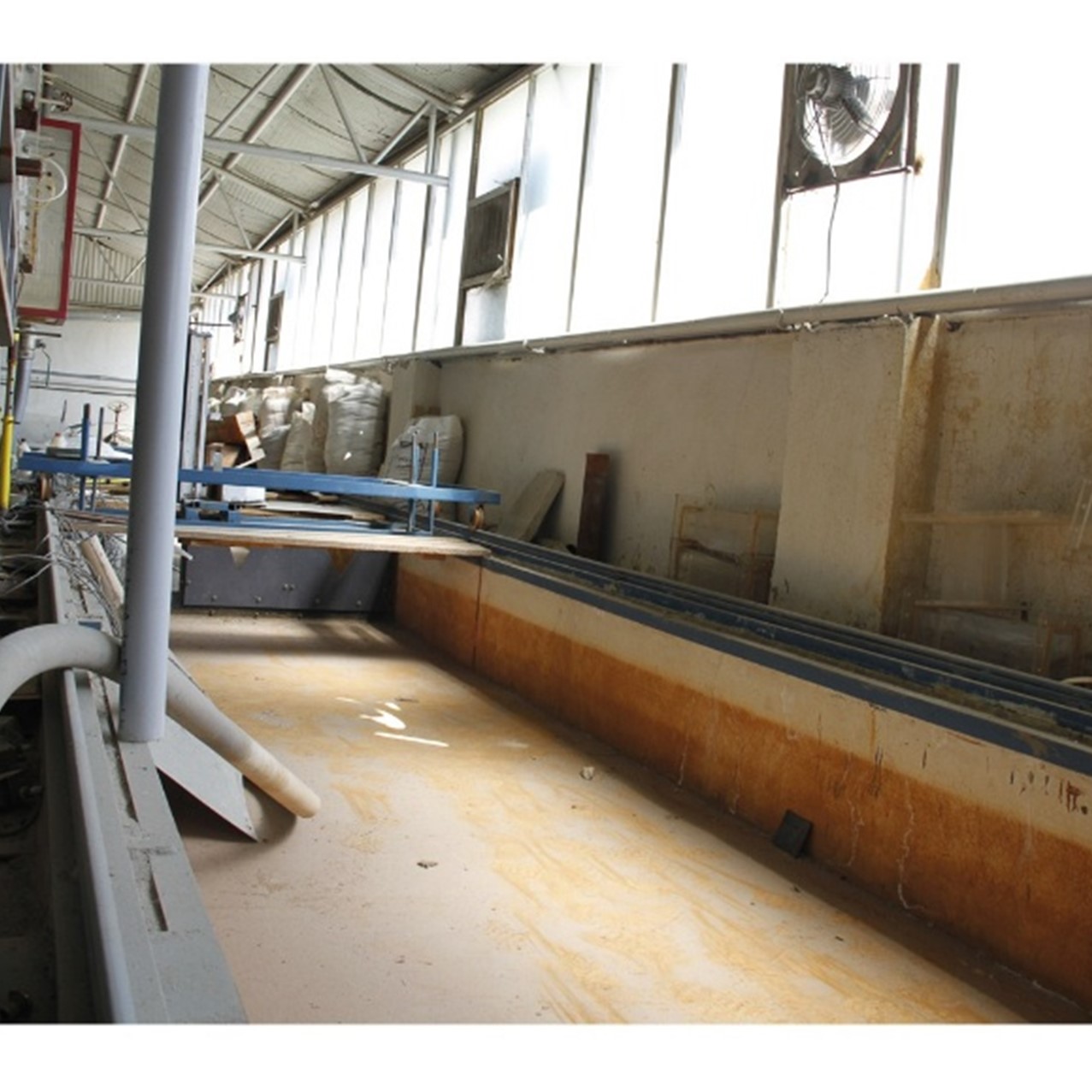
1. Concrete Flow Channel: Dimensions 0.4 × 1.5 × 15 meters, used for studying scouring around bridge piers and other hydraulic structures.

​​​​​​​2. Sediment Transport Channel: Dimensions 0.2 × 0.6 × 6 meters, used to investigate sediment transport and deposition processes in rivers and channels.
​​​​​​

Responsive Image

Irregular Wave Generator
​​​​​​​

This device is designed to generate irregular waves for studying wave dynamics in hydraulic experiments. It allows researchers to simulate and analyze the behavior of non-uniform and random waves under controlled conditions. The channel dimensions are 0.3 × 0.6 × 6 meters.
​​​​​​​
​​​​​​​